

Anyone who has ever leaned over a steaming bowl during a head cold has felt how quickly breathing can change. The warm mist hits the nose and chest, and the pressure seems to ease, even if only for a while. That simple experience is at the heart of the respiratory benefits of steam.
Steam has been part of home remedies and spa traditions for centuries, from saunas to steam rooms. What is different now is that research helps explain why breathing in warm, moist air often feels so comforting. Steam hydrates dry airways, loosens stubborn mucus, and can calm irritated tissue so air moves more freely.
Steam is not a cure for illness, and it does not replace medical care, but there is solid science behind using steam therapy for lungs as a gentle, natural way to support comfort. This matters even more in Canada, where long heating seasons dry out indoor air and make congestion, coughs, and sinus pressure harder to manage.
Many respiratory clinicians explain it simply: “Warm, moist air does not cure a cold, but it can help your airways do their own housekeeping.”
This article breaks down how steam affects the respiratory system, what it really does for congestion, sinusitis, allergies, bronchitis, and vocal health, and how to use it safely. It also looks at why a home steam shower can make regular steam part of everyday life. By the end, it should be easier to decide whether steam belongs in both a wellness routine and a bathroom renovation plan.
Key Takeaways
Steam adds moisture to dry airways and helps thin sticky mucus so the body can clear it more easily. Breathing can feel smoother and less strained.
Warm, humid air provides natural relief from congestion, sinus pressure, coughs, and some bronchitis symptoms. It offers support without relying only on medicine from the pharmacy.
Regular steam sessions support day‑to‑day breathing comfort during dry Canadian winters. They can also help people who use their voice a lot feel less sore or hoarse.
Certain essential oils such as eucalyptus, peppermint, and lavender can work well with steam. They may boost decongestant, soothing, or relaxing effects when used correctly.
A home steam shower gives a consistent, convenient, and private way to enjoy steam. People with asthma, heart conditions, or other long‑term illnesses should always speak with a doctor first.
How Steam Affects the Respiratory System
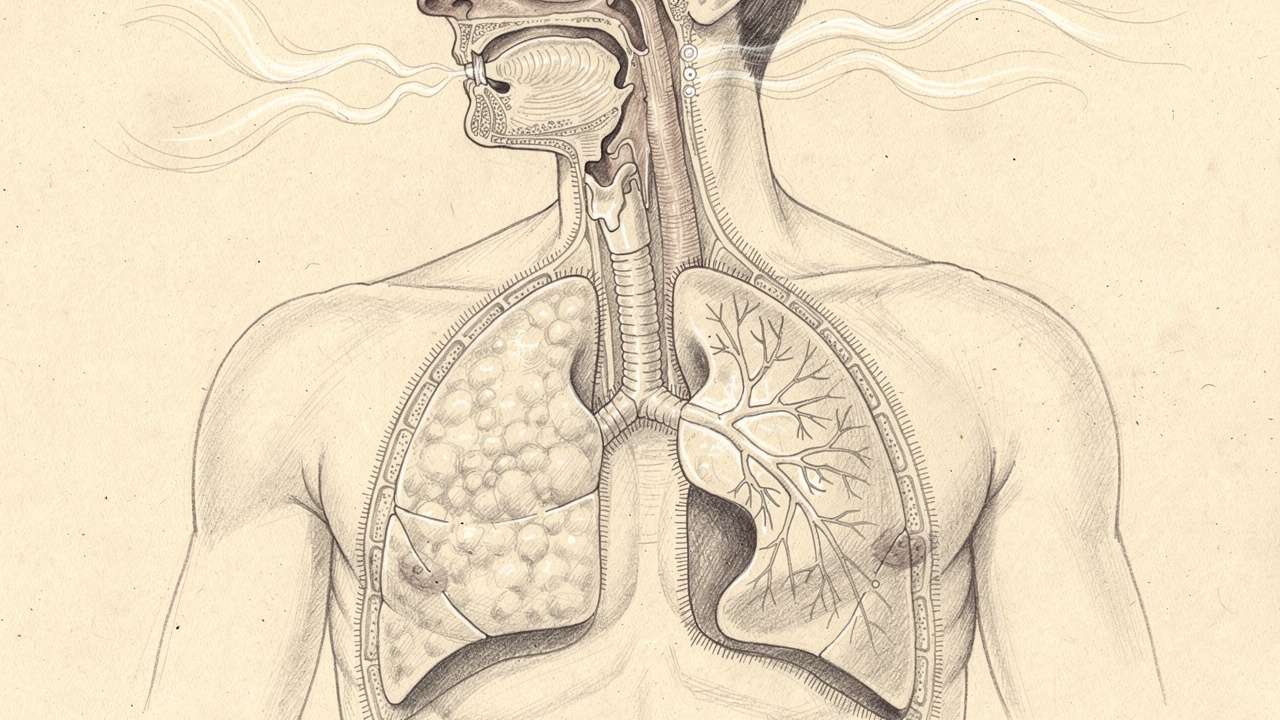
When warm, humid air is inhaled, it travels from the nose and sinuses down through the throat and into the bronchial tubes. Every part of this path is lined with a thin layer of mucus that traps dust, pollen, and germs. In dry air, that mucus can turn thick and sticky, which is when breathing starts to feel heavy and blocked.
Steam inhalation science shows that moisture is the key. The water in the vapour is absorbed into this thick mucus and makes it thinner. That change turns stubborn plugs into fluid that can move again. The body then clears it by blowing the nose or coughing, which is one of the main steam inhalation benefits.
Several things happen at once when you breathe in steam:
Mucus thins: Water vapour binds to the mucus layer so it flows instead of clinging to airway walls.
Cilia move better: Tiny hair‑like structures called cilia sweep mucus upward in what is known as the mucociliary escalator. Dryness slows this system down, while moist air helps it work more effectively.
Blood flow increases: Heat from steam widens small blood vessels in the airways, bringing more circulation to irritated tissue.
Muscles relax: Warmth can ease tension in smooth muscles around the bronchi and in the throat.
These combined effects are what many people notice as breathing in steam benefits, such as less tightness, easier airflow, and a feeling that the chest is “loosening up.”
One common piece of advice from respiratory nurses: “Think of steam as a comfort measure that helps your lungs clear themselves, not as a cure on its own.”
Does Steam Help With Congestion, Colds, and Sinusitis?

For simple nasal stuffiness from a cold or flu, steam for congestion relief can feel almost immediate. The warm moisture softens and loosens thick mucus that clogs the nasal passages, while gentle heat reduces swelling in the sinus lining. Unlike medicated sprays, steam can be used several times a day without worries about a rebound effect.
Sinus pressure is another area where steam for sinus relief often helps. When the small drainage openings of the sinuses are blocked, mucus and air become trapped, leading to facial pain and headaches. Warm, moist air helps thin this trapped mucus so it can drain more freely, which often eases that tight, heavy feeling in the forehead and cheeks. Many people with chronic sinusitis find that regular steaming helps keep things moving and reduces flare‑ups.
Seasonal allergies add another layer. Pollen, dust mites, and pet dander can stick to the lining of the nose and trigger a strong immune response. Breathing in warm steam helps rinse these particles from the nasal passages. As the irritants are washed away, swelling settles down, and breathing can feel clearer. This is one reason steam room benefits for sinuses are especially noticed during high‑pollen months.
Steam also supports chest comfort:
For a wet cough, it loosens phlegm deep in the bronchial tubes so coughs become more productive.
For a dry, scratchy cough, moist air soothes the throat and reduces the tickle that keeps a person awake.
In a Canadian winter, when forced‑air heating dries out every room, these effects make a strong case when asking, does steam help respiratory issues day to day.
Steam Therapy for Chronic Respiratory Conditions
For people who live with ongoing breathing problems, the question is often whether steam offers short‑term comfort or real day‑to‑day support. With conditions like bronchitis, asthma, and long‑standing sinus trouble, the answer depends on the person, but there are clear patterns in how steam can help.
In acute or repeated bronchitis, the bronchial tubes become inflamed and produce thick mucus that clings to the airway walls. Steam therapy for bronchitis works mainly by loosening that stubborn mucus. Warm, humid air reaches deep into the chest, thins out the phlegm, and makes coughing more effective. When mucus clears more easily, chest tightness often eases, and breathing feels less heavy.
With asthma, the picture is more complex. Some people find that gentle steam therapy for asthma relaxes the smooth muscles around their airways and softens mucus, so breathing feels easier for a short period. Others are very sensitive to heat and humidity, and steam can actually trigger wheezing. Because of this, anyone with asthma or other serious lung disease should speak with a doctor before adding steam therapy for lungs. Steam is always a supportive tool, never a replacement for inhalers or other prescribed treatment.
Pulmonologists often remind patients: “If you need your rescue inhaler more often, it is time to call your doctor, not just sit longer in the steam.”
Steam can also support vocal health. The vocal cords are thin folds of tissue that need steady moisture to vibrate smoothly. Teachers, singers, and professionals who talk all day often notice that a few minutes in a steam room for lungs and throat helps reduce hoarseness. Unlike drinking water, which hydrates the body as a whole, steam delivers moisture straight to the larynx.
For Canadians who spend many months breathing heated indoor air, regular sessions offer gentle steam room breathing benefits even when there is no active infection. Moist air keeps the mucous membranes from drying out, supports the mucociliary escalator, and may reduce how often minor irritations turn into more serious problems. That said, if breathing problems are severe, getting worse, or paired with a high fever, steam should sit beside, not in place of, proper medical care.
The Case for a Home Steam Shower
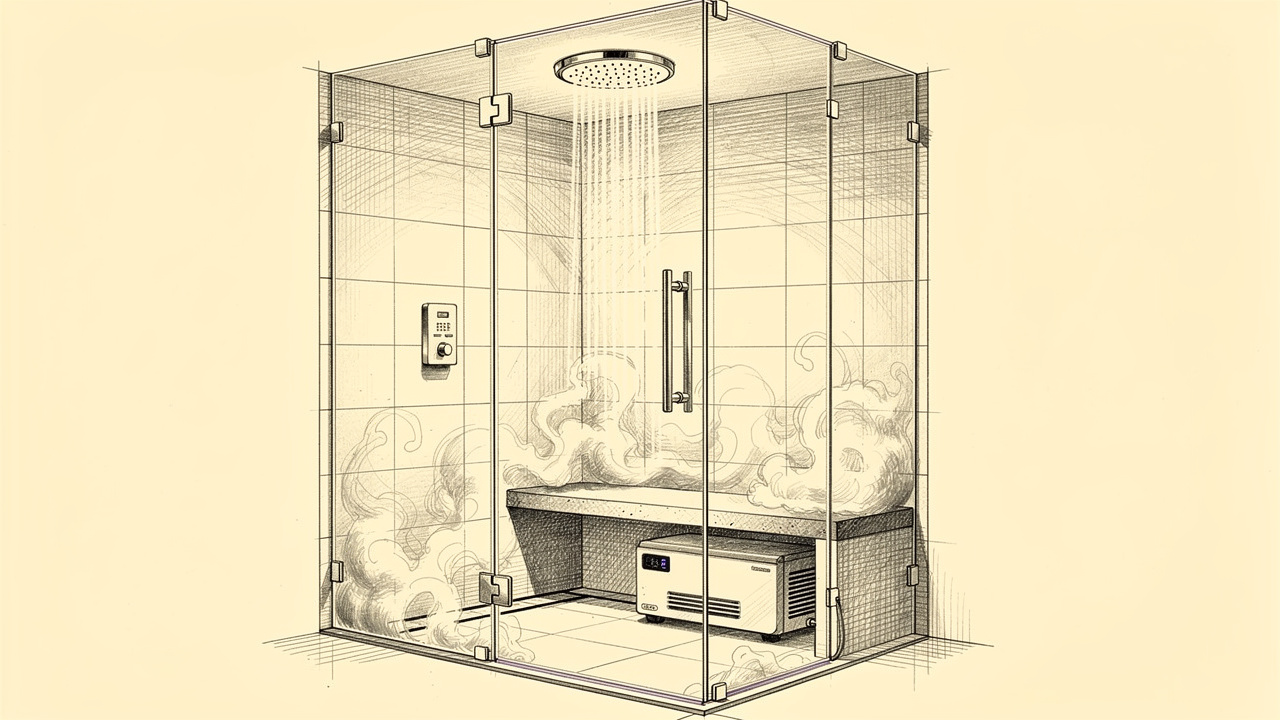
Many people first try steam by leaning over a kettle or visiting a public steam room at a gym. These can help in the moment, but they are hard to use regularly. Managing sinusitis, allergies, or dry‑air irritation usually needs steady care, not just the odd quick fix.
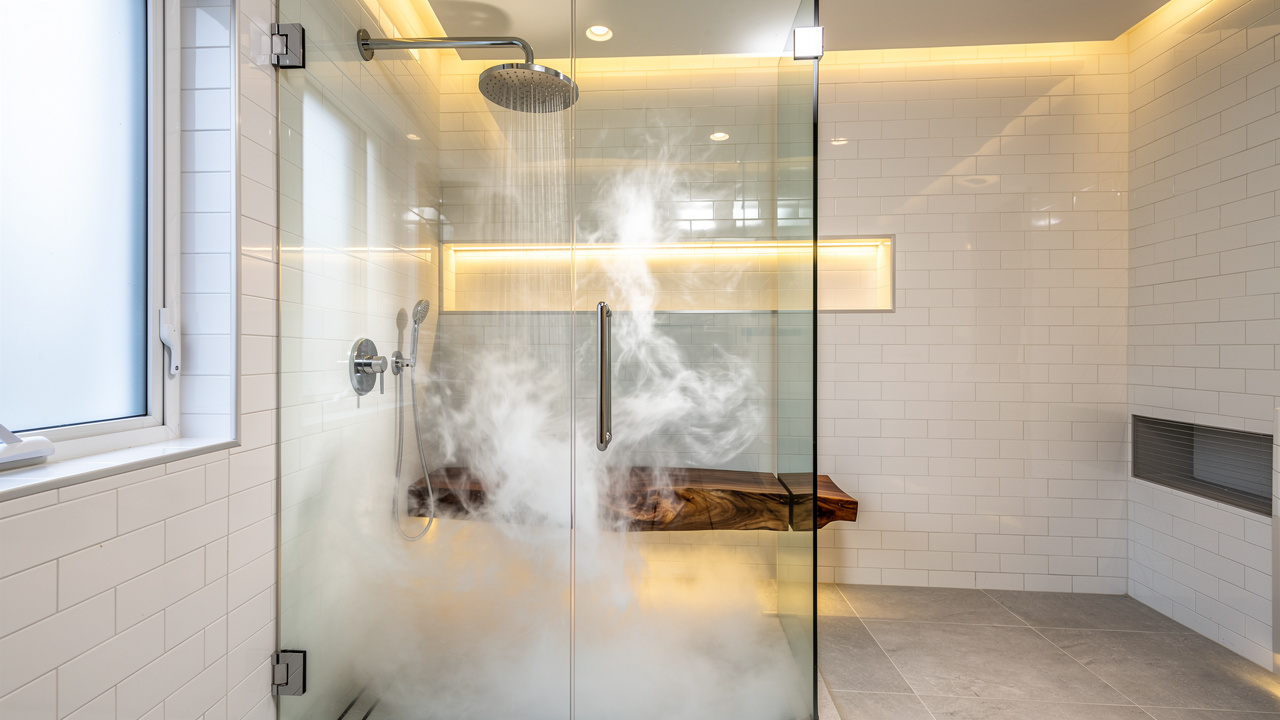
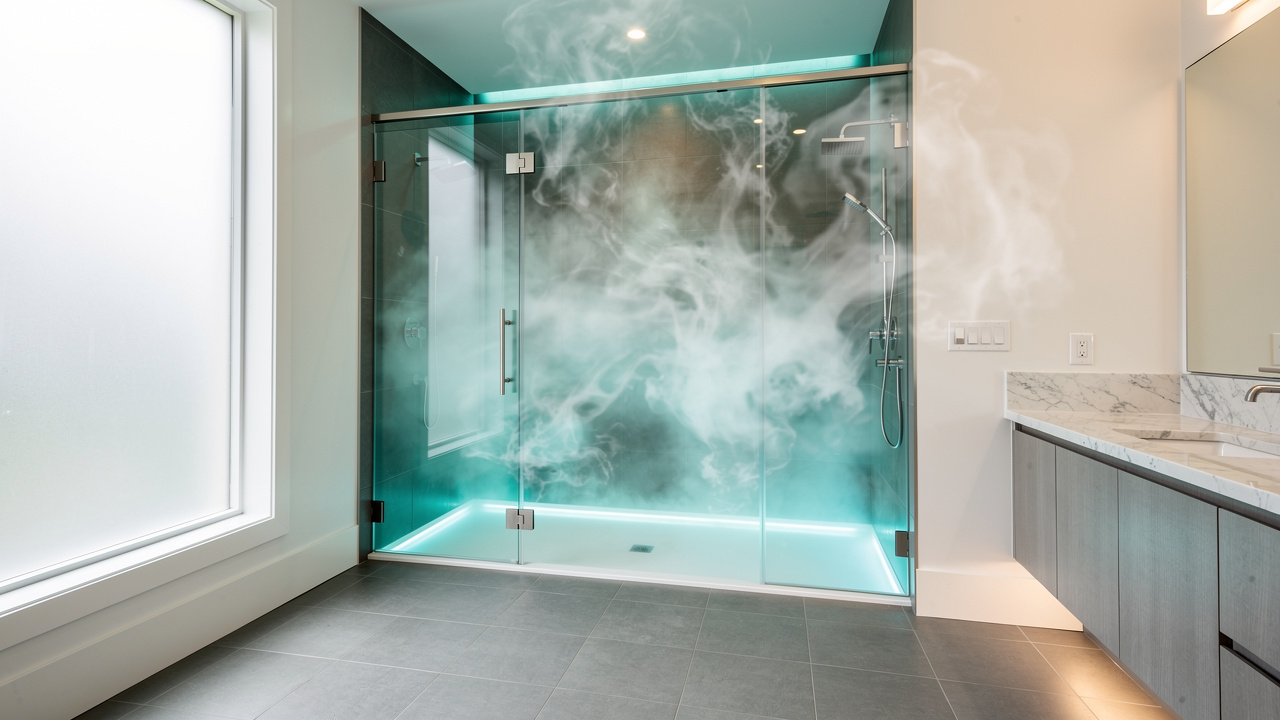
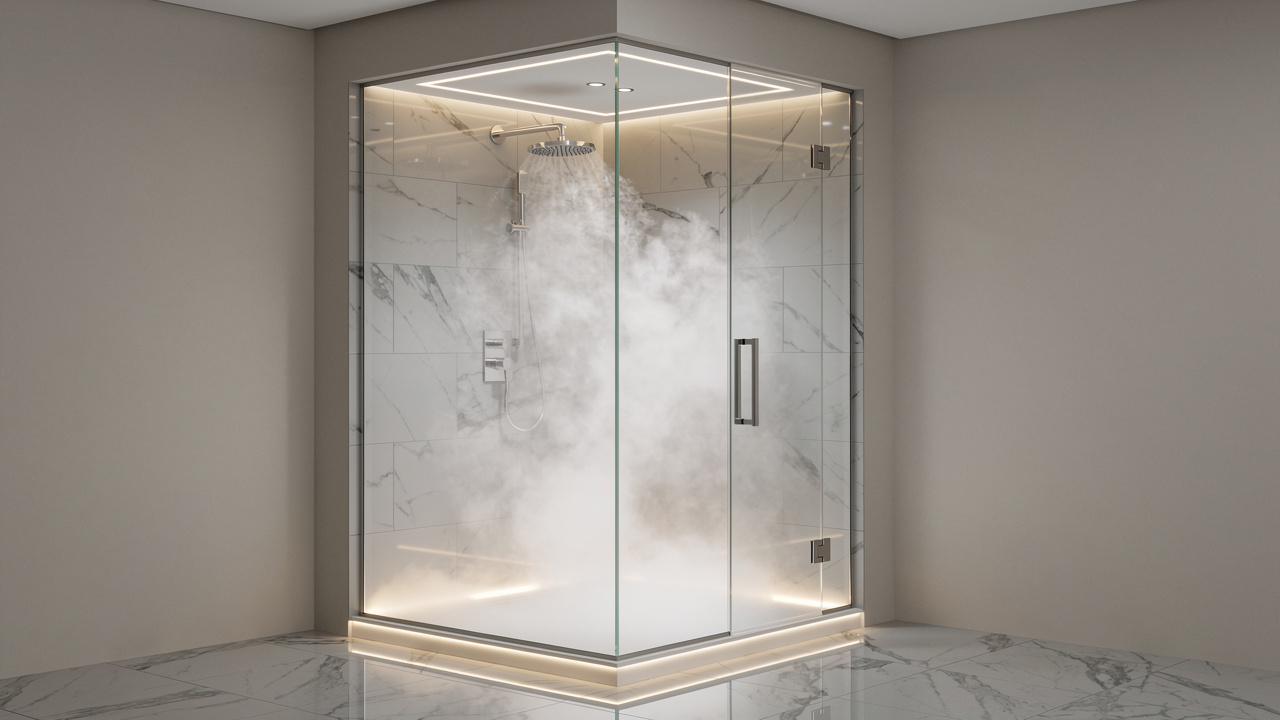
A home steam shower changes this by making steam part of normal bathroom use. A dedicated generator fills a sealed enclosure with controlled steam at a steady temperature, often in the 43 to 46 degree range. That means:
No juggling boiling water and towels
No worrying about the steam cooling down halfway through
No extra setup when feeling tired or unwell
Consistency is what turns the steam room for respiratory health from an occasional treat into a daily habit.
Full‑body immersion is another difference. In a proper steam shower, the whole body warms up, not just the nose and mouth. Blood vessels widen, muscles in the neck, chest, and back relax, and general tension eases. For someone fighting a cough or recovering from a long day of talking, this whole‑body effect often makes the steam room health benefits feel deeper and longer lasting than simple bowl inhalation.
Hygiene also matters. Public facilities share air and surfaces with many strangers. A home unit is private and cleaned on a household schedule, which is reassuring when fighting a cold or dealing with reduced immunity. For homeowners already investing in a bathroom renovation, adding steam can turn a standard shower into a personal wellness space without adding another place they need to travel to.
This is where Soak Luxury Bath comes in. Based in Edmonton and serving customers across Canada for many years, Soak focuses on complete steam shower systems rather than one‑off parts. Models such as the DZ962F8 Rain Series and the SR‑89102 Contemporary Series use thick, high‑quality glass to keep heat and humidity where they belong. Customers often mention how fast the generators, like the one in the B618 model, bring the enclosure up to steam and how simple they are to look after. Because Soak keeps an in‑house service and parts team in Canada, homeowners are not left dealing with distant manufacturers when questions arise. For anyone asking, does steam help with breathing problems, a reliable home unit makes it far easier to find out in comfort.
Amplifying Results With Aromatherapy and Safe Steam Practices
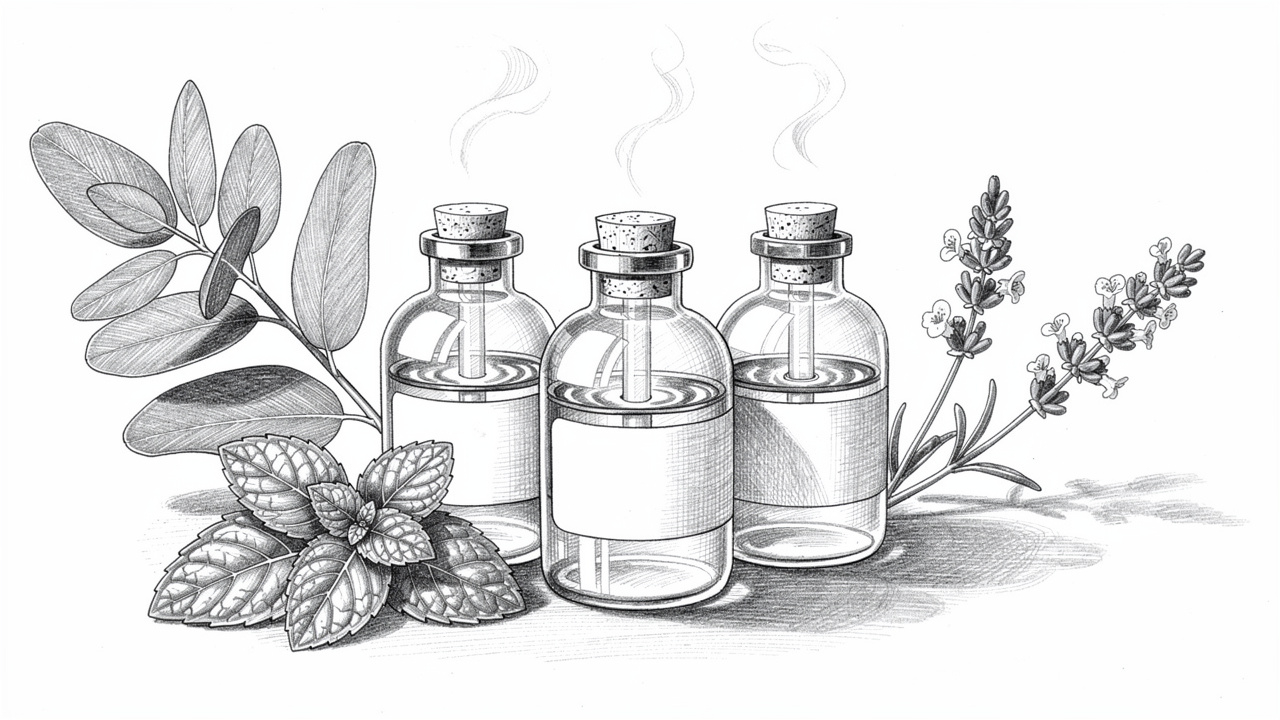
Once a steady steam routine is in place, small choices can make each session more effective and comfortable. Two of the most helpful areas to think about are how aromatherapy fits in and how to keep sessions safe for the whole household.
Many people like to add essential oils to their steam for an extra layer of respiratory support:
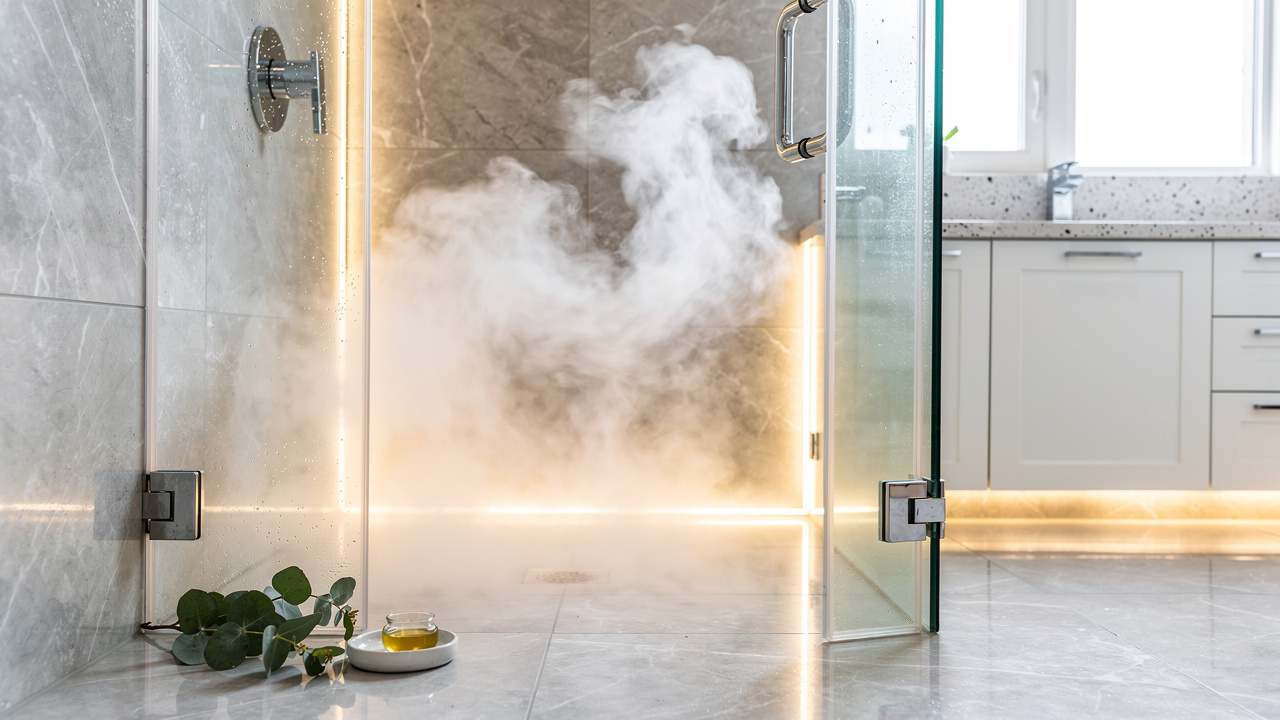
Eucalyptus is one of the best‑known choices. Its main compound, eucalyptol, has natural decongestant and anti‑inflammatory properties, and research on steam therapy evidence often highlights this plant. When eucalyptus vapour rides on the warm steam, it can make thick mucus easier to move and soothe irritated sinus and bronchial tissue.
Peppermint oil is another popular option. The menthol it contains gives a cooling sensation that many people describe as their nose and chest “opening up.” It can help thin mucus and calm a sore throat, which pairs well with warm hot steam for breathing.
Lavender oil adds a different kind of help. Its gentle, calming scent can reduce stress and support deeper sleep, which is important when the body is fighting an infection.
Because essential oils are strong, they need to be used with care. Steam showers from Soak Luxury Bath, such as the DZ962F8, include built‑in aromatherapy features so small amounts of oil can be added in a controlled way. This lets the system spread the oil safely through the vapour instead of having it contact the skin or the generator directly. A few drops of pure, high‑quality oil are usually enough for an entire session.
Safe practice also means paying attention to time, temperature, and hydration. Simple guidelines include:
Time: Most people do well with sessions of about 15 to 20 minutes. Those who are new to steam can start at 10 minutes and step out sooner if they feel overheated.
Temperature: Keeping the steam temperature in the usual 43 to 46 degree range gives the benefits of steam inhalation for respiratory infections and congestion without placing too much strain on the body.
Hydration: Drinking water before and after each session replaces fluid lost through sweating and keeps mucus from becoming dry again.
Certain groups should always check with a doctor before using steam, including people with asthma or COPD, anyone with heart or blood pressure problems, pregnant individuals, and young children. Regular cleaning of the enclosure and following the manufacturer’s care guide keeps the air fresh and the surfaces safe. Soak’s service team often helps homeowners set up easy maintenance routines so their showers stay ready whenever breathing support is needed.
A simple rule of thumb from many spa and wellness practitioners: “If you feel light‑headed, too hot, or short of breath, step out, cool down, and drink water.”
Conclusion
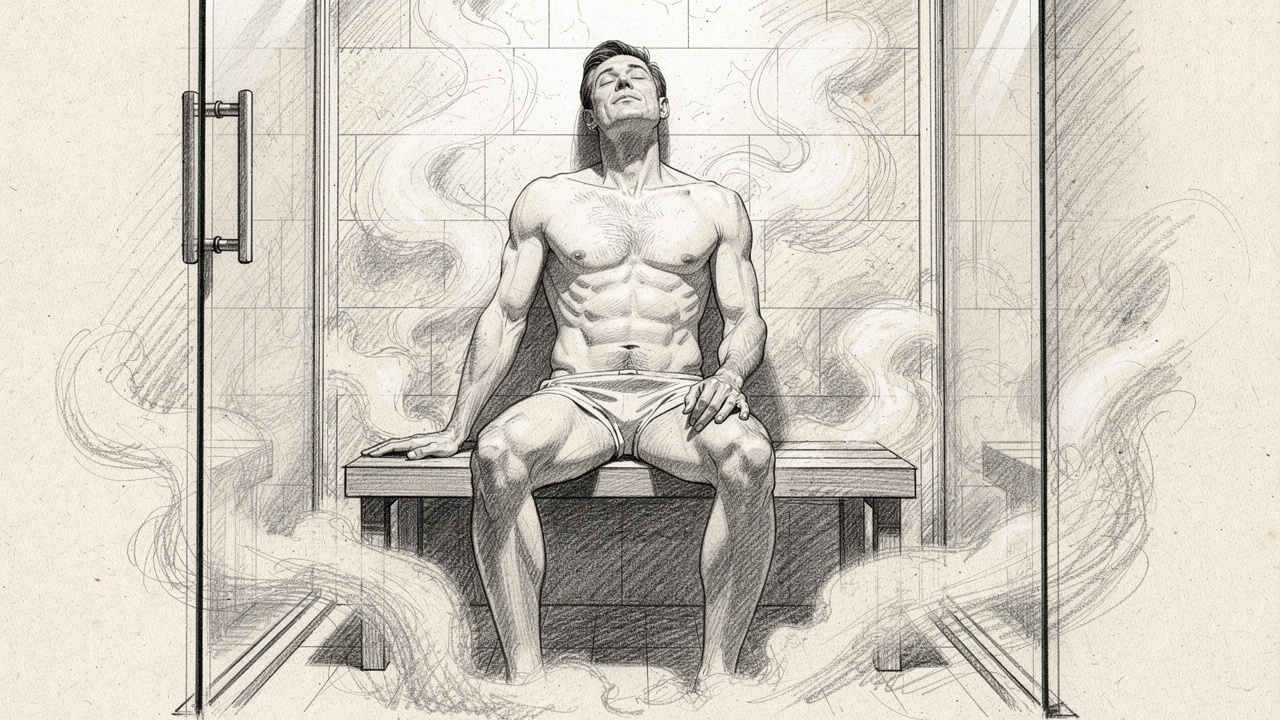
Modern research supports what many families have felt for years. Warm steam helps thin mucus, soothe inflamed airways, and keep the nose, sinuses, and chest more comfortable. Used with care, it offers real respiratory benefits of steam for congestion, sinusitis, mild bronchitis, allergies, and even tired voices.
Steam works best as a steady, supportive practice, not as a stand‑alone cure. In a Canadian climate where dry indoor air is part of life for much of the year, a home steam shower can turn everyday bathing into a simple wellness ritual. For homeowners planning a renovation or new build, Soak Luxury Bath offers carefully chosen steam shower systems backed by Canadian advice and support. That combination makes it easier to bring the comfort of steam into the home in a way that feels both soothing and dependable.
FAQs
Is Steam Inhalation Scientifically Proven To Help With Respiratory Issues?
Studies show that warm, humid air helps thin mucus, rehydrate dry airways, and ease mild inflammation. These effects explain why many people feel less congested and breathe easier after steaming. Steam is a well‑accepted complementary therapy, but it does not replace medical treatment for serious or long‑lasting symptoms.
How Long Should A Steam Session Last For Respiratory Benefits?
Most adults get good results with 15 to 20 minutes in a steam shower. Those new to steam can begin with about 10 minutes and increase time slowly as they see how their body responds. Staying much longer can raise the risk of overheating or dehydration without adding more benefit.
Can Steam Help With Asthma?
For some people with asthma, gentle steam may loosen mucus and relax the airways for short‑term comfort. For others, heat and humidity can act as triggers and make symptoms worse. Because of this, anyone with asthma should speak with their doctor before using steam as part of their care plan, and they should never change prescribed inhaler use without medical advice.
What Essential Oils Are Best For Respiratory Steam Therapy?
Eucalyptus is often chosen for its decongestant and anti‑inflammatory effects. Peppermint can make airways feel more open and may help thin mucus, while lavender supports relaxation and sleep during illness. Only pure, high‑quality oils should be used, and only in steam systems designed for aromatherapy use so the generator and enclosure are protected.