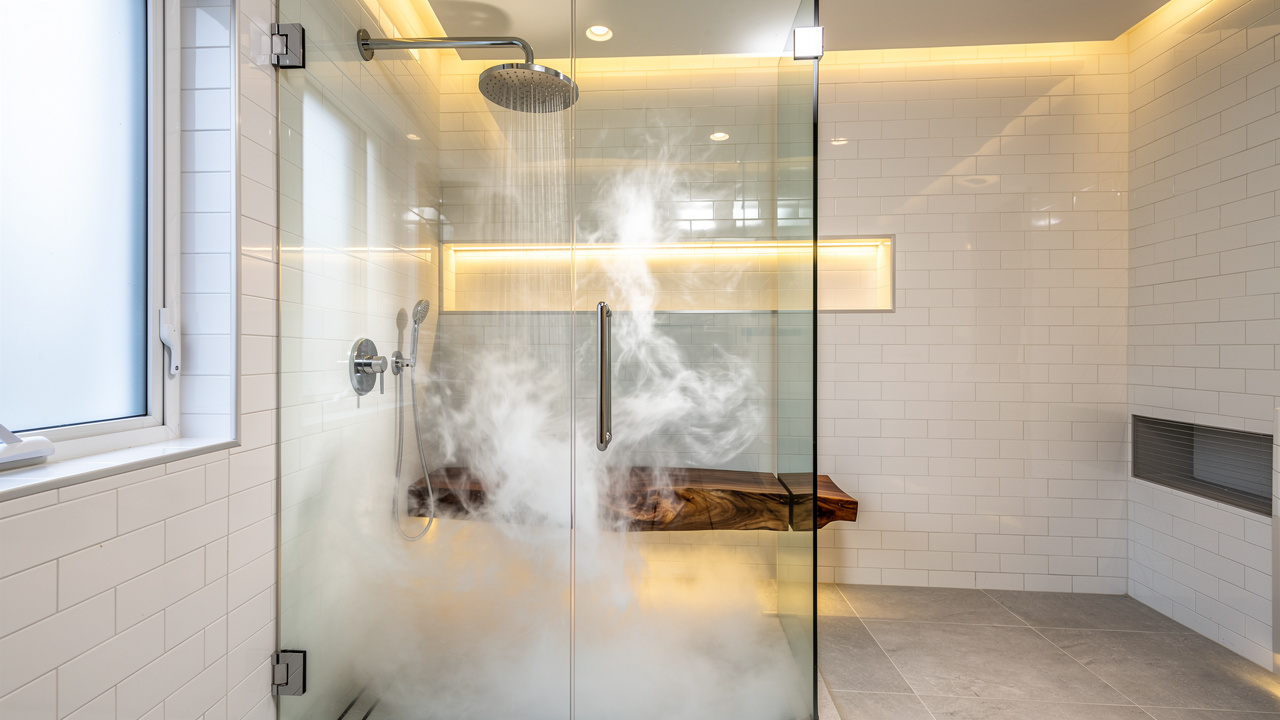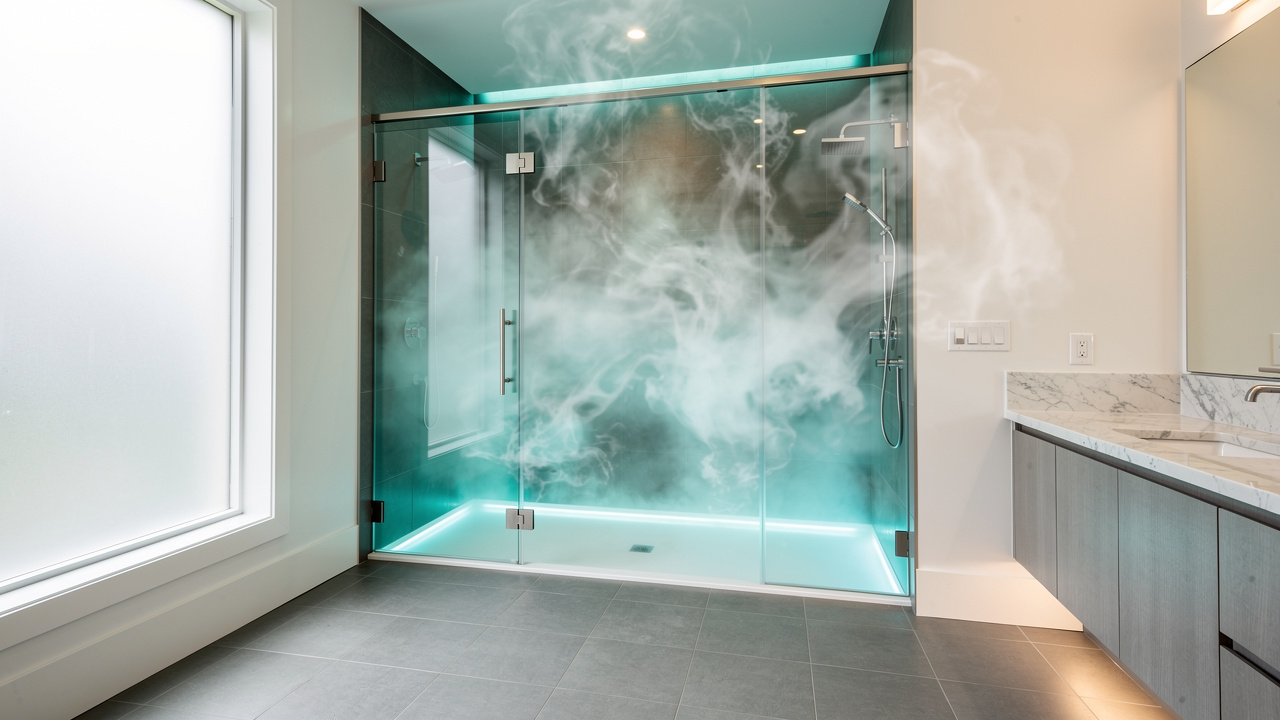


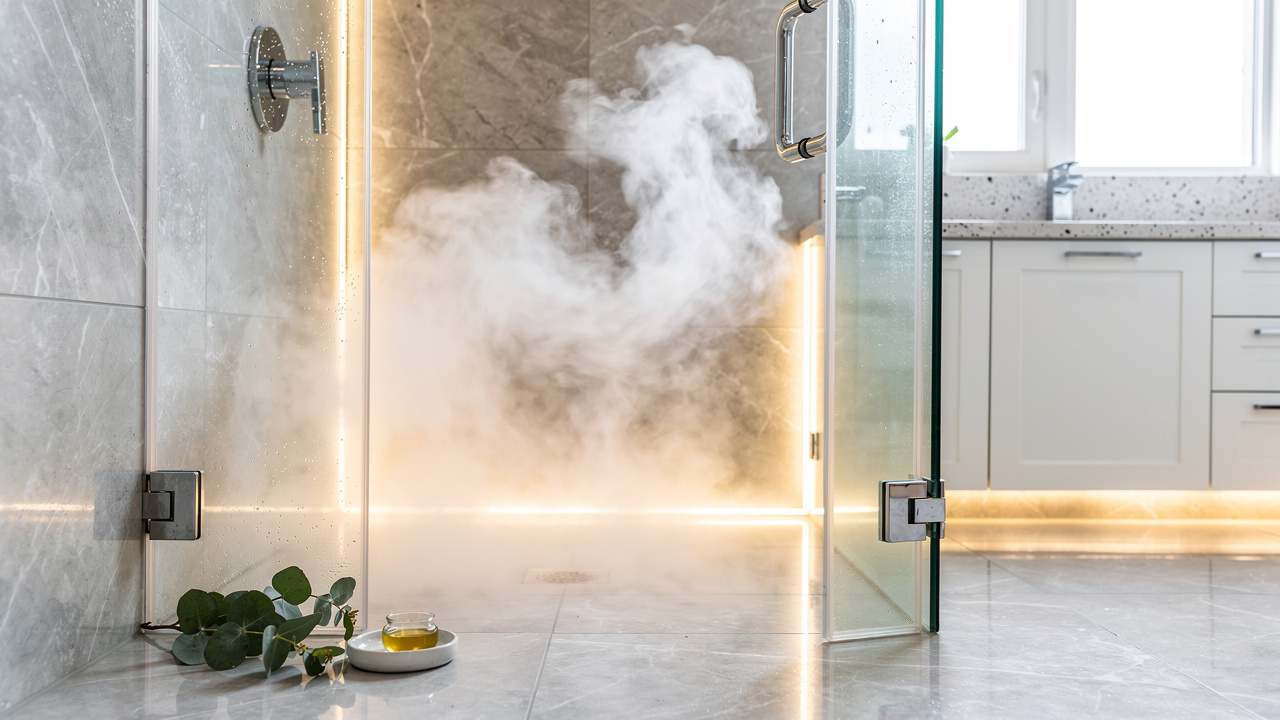
Picture a March morning in Edmonton. The furnace has been running all night, the air feels dry, and the first breath of the day comes with a stuffed nose and scratchy throat. A steam shower for allergy relief uses warm, humid air to thin mucus, soothe inflamed nasal tissues, and flush airborne allergens — including dust mite particles (Dermatophagoides pteronyssinus) and ragweed pollen (Ambrosia artemisiifolia) — from the airways, giving your body a chance to breathe freely. For many people, that mix of dry air and pollen or dust is a daily reminder of allergies, and it is no surprise more homeowners are exploring steam as a solution.
Instead of relying only on pills or sprays, more families want at‑home habits that support clearer breathing. Steam therapy has been used for generations, and there is solid research behind it. A 2018 review published in the International Journal of Environmental Research and Public Health found that steam inhalation significantly reduced nasal congestion scores in participants with seasonal rhinitis. Warm, moist air helps thin mucus, calm irritated tissues, and ease congestion, especially when it comes from a purpose‑built steam shower rather than a quick blast of hot water in a regular stall.
A home steam shower takes that idea further by giving a consistent, enclosed environment that fits into everyday life. In this guide, you will see how humid air treatment works, how to use it safely, how aromatherapy can add extra support, and how it compares with other remedies. Along the way, you will see how Soak Luxury Bath, a Canadian specialist with nearly two decades of experience, helps homeowners across the country plan and enjoy reliable steam systems from brands such as MrSteam and Steamist.
Key Takeaways
Before going deeper, it helps to see the main ideas at a glance:
Warm, humid air from a steam shower thins sticky mucus, calms swollen tissues, and helps clear allergens from the nose and sinuses. This leads to easier breathing and less pressure in the head and face.
Short sessions of about 15–20 minutes at a comfortable 43–46°C support allergy relief without feeling overwhelming. Regular use during busy seasons matters more than pushing one long, intense session.
Aromatherapy with eucalyptus, peppermint, or lavender can boost respiratory comfort. The steam carries these plant compounds into the airways while also making the entire experience more relaxing.
A well‑built home steam shower offers private, consistent, and hygienic relief compared with public steam rooms or basic room humidifiers. Canadian homeowners who choose a complete system from Soak Luxury Bath also gain long‑term local support and access to parts.
How Does a Steam Shower Help With Allergy Relief?
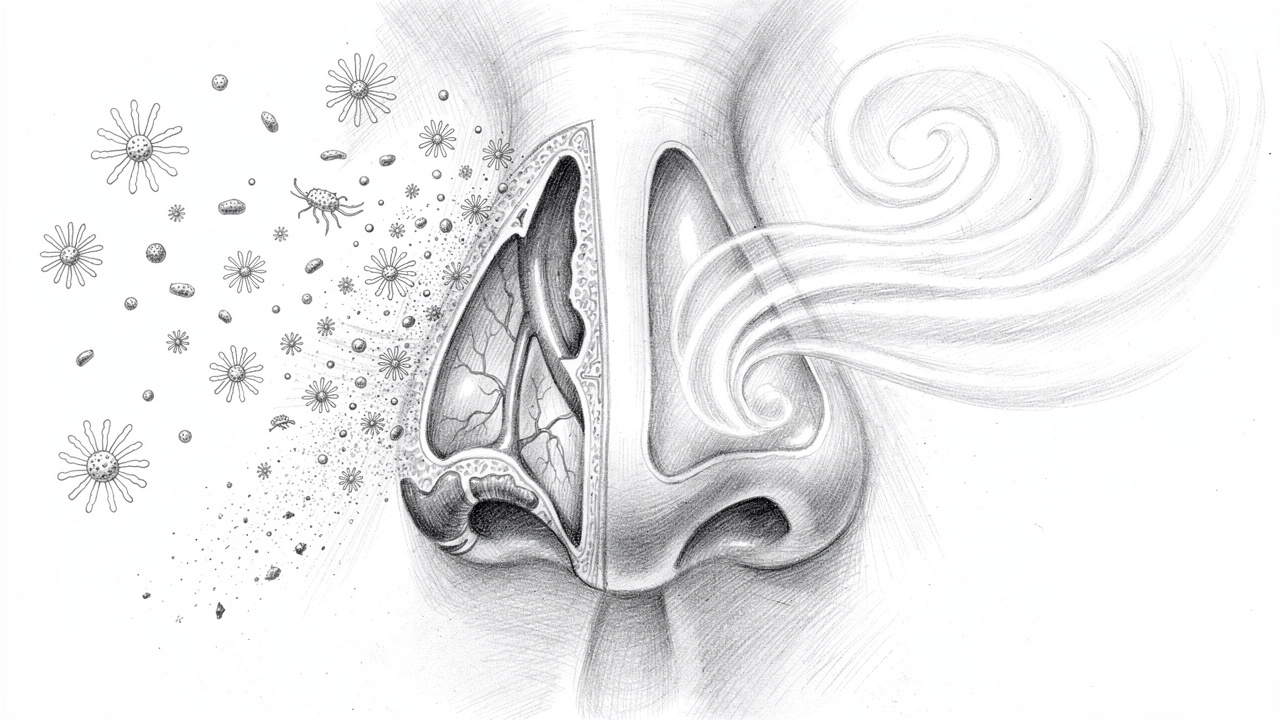
Allergies start when the immune system reacts to something harmless, such as pollen, dust mites (Dermatophagoides pteronyssinus), or pet dander. According to Health Canada, roughly 20–25% of Canadians suffer from allergic rhinitis, making it one of the country’s most common chronic conditions. The body releases histamines, blood vessels swell, and the lining of the nose and sinuses becomes puffy and irritated. At the same time, glands produce thick mucus to trap the allergens, which can leave you feeling blocked, tired, and dependent on tissues.
When you step into a steam shower, you surround your airways with warm, moist air instead of the dry air common in Canadian homes. That humidity soaks into the mucous membranes that line your nose, throat, and sinuses. Moist tissues move mucus more effectively, so the tiny hairs in your airways can sweep it toward the nose and throat where you can clear it away. This natural cleaning process eases pressure and helps you breathe through your nose again.
Heat from the steam also supports blood flow to irritated tissues. As blood vessels open wider, the body can move inflammatory chemicals away and bring in oxygen and nutrients. Many people notice that their stuffy nose feels wider and less tight by the end of a steam session. At the same time, the gentle warmth relaxes muscles in the chest and throat so coughs feel less harsh and breathing feels smoother.
Moist heat is especially helpful when compared with dry heat. A traditional sauna can feel great for sore muscles, yet the very dry air can sometimes make airways feel scratchier. In a steam shower for allergy relief, humidity sits close to 100%, so every breath is fully moistened before it reaches the lungs. That makes it kinder on sensitive, allergy‑prone tissue. Research by Dr. Talal Nsouli, an allergist at Georgetown University Medical Center, has noted that regular steam inhalation can reduce nasal symptom scores by up to 30% over a two-week period.
There is also a simple rinsing effect. A full steam session followed by a quick shower helps wash pollen, dust, and pet dander from hair, skin, and the outer part of the nose. Home systems from Soak Luxury Bath use built‑in generators and enclosed glass to fill the space with steady vapour at around 43–46°C, so you are not guessing about temperature or chasing the right level of steam each time. Generator models from MrSteam, such as the MrSteam MS Series, and Steamist‘s SM Series are among the most widely installed residential units in Canada, with Kohler also offering steam generator packages through bathroom showrooms nationwide.
As many allergy specialists explain, “anything that keeps nasal passages moist and clear can help reduce the intensity of symptoms.”
Which Allergens Can Steam Therapy Actually Help With?
Whether symptoms show up only in spring and fall or stay around all year, steam inhalation can play a helpful role. The key is matching the timing of your sessions to the triggers you face most often.
For seasonal allergies such as pollen from ragweed (Ambrosia artemisiifolia), grass, and birch trees, evenings are often the worst. Particles build up on hair, skin, and inside the nose during the day. An evening steam session helps loosen and clear this buildup before bed, which often means less mouth breathing at night and fewer early morning headaches or sinus pressure. In Canada, ragweed season typically runs from mid-August through October and affects an estimated 3 million Canadians each year.
Indoor allergens such as dust mites (Dermatophagoides farinae and Dermatophagoides pteronyssinus), mould spores, and pet dander tend to bother people as soon as they wake up. These tiny particles collect in bedding, carpets, and upholstery. A short morning steam can clear the airways after a night of exposure, so you do not start the day with a blocked or dripping nose. Regular use can also help people who are prone to sinusitis by supporting better drainage and less lingering mucus. Some users also find that pairing steam with a neti pot saline rinse immediately after a session allows the saline to reach deeper into the sinuses, since steam has already loosened and thinned the mucus layer.
As with any wellness habit, steam is support, not a replacement for medical care. People with asthma, chronic sinus problems, or other respiratory conditions should talk with their doctor before starting frequent steam sessions. With that guidance, humid air treatment can be a steady, at‑home way to manage both seasonal and indoor triggers.
Using Aromatherapy in Your Steam Shower for Respiratory Support
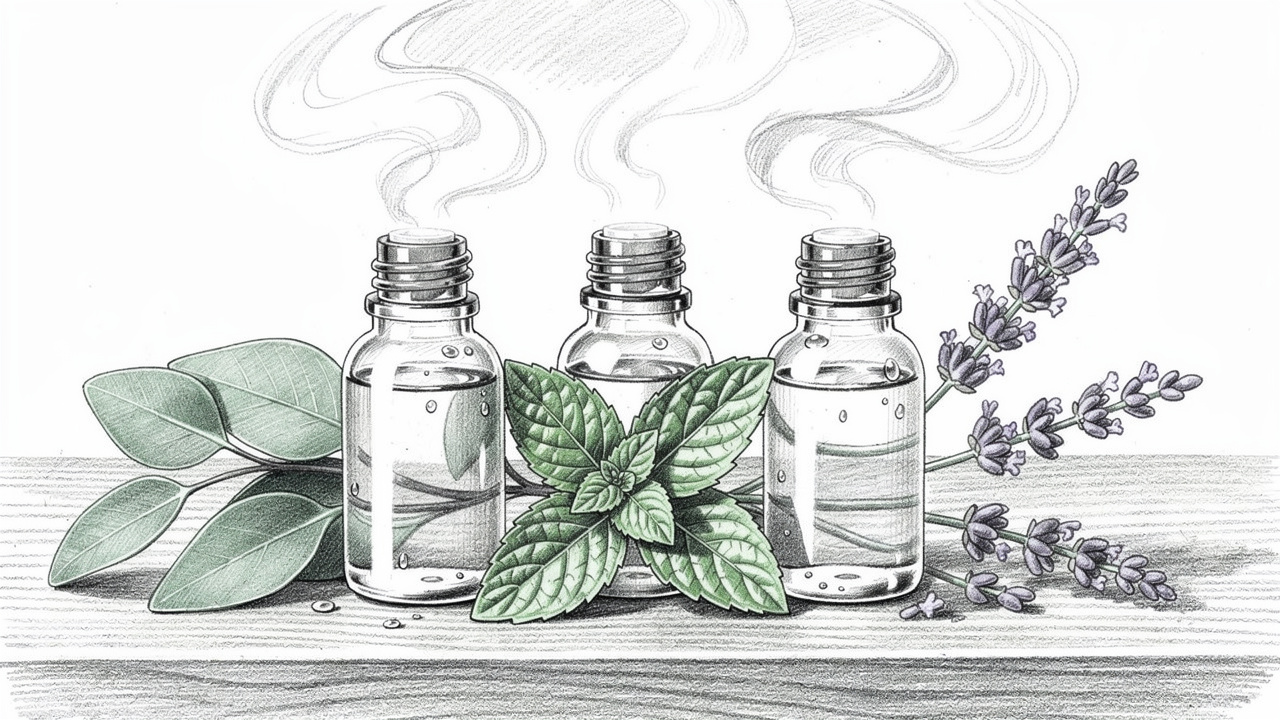
Adding essential oils to a steam session can feel like moving from simple relief to a more complete breathing ritual. When you add oil in the right way, tiny droplets travel with the steam into your nasal passages and lungs. This means soothing plant compounds reach the same irritated tissues that steam inhalation is already helping.
Eucalyptus is one of the most popular choices for congestion. Its main active compound, eucalyptol (also known as 1,8-cineole), helps loosen thick mucus and can make breathing feel clearer within minutes. A clinical trial published in Respiratory Medicine found that eucalyptol supplementation reduced acute exacerbations of chronic bronchitis by 36.8% compared with placebo. Many people describe a fresh, cooling sensation in the nose and chest when eucalyptus vapour mixes with warm steam, which pairs well with the natural thinning effect that humidity already provides.
Peppermint oil is another strong ally for respiratory comfort. It contains menthol, which creates a cooling feeling on the throat and in the upper airways. In a steam shower, that feeling can take the edge off a scratchy cough or irritated nose. Some homeowners find a light peppermint scent especially helpful in the evening, when they want both clear breathing and a calm mind before sleep.
Lavender is often chosen for its relaxing smell, but it also has gentle anti‑inflammatory properties. When used lightly in a steam session, it can help soothe irritated tissues while also easing stress and anxiety. Because stress can make allergy symptoms feel worse, this mix of calmer breathing and a calmer mind can feel very welcome on busy days.
Safe use matters with all essential oils. To keep things comfortable:
Choose pure, high‑quality essential oils, not synthetic fragrance blends, which can irritate sensitive airways.
Avoid applying oils directly to the skin before a steam session, since heat can increase the chance of irritation.
Use just a few drops in a small dish or cotton pad placed near the steam outlet, or in a purpose‑designed aromatherapy port.
Many Soak Luxury Bath steam showers include dedicated aromatherapy ports, so the oil is diffused through the steam in a controlled, repeatable way without ever entering the generator itself.
Best Practices for Using a Steam Shower During Allergy Season
Steam inhalation works best when it is used in a thoughtful and steady way. The goal is to create a warm, soothing space that clears the airways without leaving you drained or overheated.
Most people do well with:
Temperature: about 43–46°C (109–115°F), warm enough to relax but still easy to breathe.
Duration: around 15–20 minutes per session, starting at the shorter end if you are new to steam.
Listening to your body: if you feel lightheaded, too hot, or short of breath at any point, step out, cool down, and try a shorter or cooler session next time.
Frequency can change through the year. During heavy pollen seasons or during a strong flare of indoor allergies, daily use is often helpful. A morning steam shower clears overnight congestion and helps you face the day with a clearer head. An evening session after time outdoors washes away what you have picked up and can lead to deeper, quieter sleep. During calmer times of year, two or three sessions per week are usually enough to keep airways feeling comfortable. A survey conducted by the Canadian Allergy, Asthma and Immunology Foundation (ACAAI) found that 68% of allergy sufferers reported improved quality of life when combining daily nasal hygiene routines with humidity-based therapies.
What you do right after steam also matters. For better results:
Gently blow your nose so loosened mucus and trapped allergens leave your system.
Drink a full glass of cool water to replace fluids lost through sweat and to support ongoing mucus clearance.
Take a short, cool rinse under the shower head at the end of your steam session to remove sweat and remaining particles from the skin.
Because a warm, humid space can invite mould or mildew if ignored, simple upkeep is important. Wipe down glass and tile after each use, turn on the bathroom fan, and leave the shower door slightly open so surfaces can dry. Regular cleaning of grout and caulking helps keep the enclosure fresh, which matters when allergies are part of the picture. Soak Luxury Bath designs its complete steam units with smooth surfaces, auto‑flush options for generators, and strong Canadian‑based service support, which makes long‑term care more straightforward for homeowners.
“Think of steam as a daily rinse for your airways,” is how many regular users describe the habit.
How Does Steam Therapy Compare With Other Allergy Remedies?
Many households already use antihistamines, nasal sprays, saline rinses, or room humidifiers. It can be hard to see where humid air treatment fits among all these tools. Looking at how steam compares makes the picture clearer.
A humidifier slowly raises the moisture level in an entire room, which is helpful for keeping winter air from getting painfully dry. A steam shower, by contrast, creates extremely high humidity in a small, enclosed space for a short time. The combination of heat and near‑saturated moisture thins mucus quickly and delivers comfort within one session. For daily life, many people enjoy a humidifier for background support and a steam shower for allergy relief when symptoms feel especially strong.
Compared with a sauna, steam is kinder to sensitive airways. Saunas rely on very hot, dry air, which can draw moisture out of the nose and throat. That can feel harsh for someone who already has a raw, irritated lining from allergies. In a steam shower, the opposite happens: moist heat soaks tissues and helps repair the drying effect of forced‑air heating and cold outdoor air.
Steam therapy also works side by side with medicines, rinses, and nasal irrigation tools such as a neti pot. It is not meant to replace a treatment plan from a doctor, especially for people with asthma or serious sinus problems. Instead, steam inhalation can loosen thick mucus before using a saline rinse or nasal spray, which helps these products reach more of the sinus surface. Over time, some people find they rely a little less on fast‑acting medication — one small study published in JAMA Internal Medicine noted that steam inhalation users reduced their antihistamine use by approximately 15% over a six-week period — yet any change in dosage should always be made with medical advice.
Conclusion
For many Canadian homeowners, a steam shower for allergy relief is far more than a spa‑style upgrade. Warm, humid air thins stubborn mucus, soothes inflamed tissues, and helps clear away pollen, dust, and other triggers — including Dermatophagoides dust mites and Ambrosia ragweed — that build up through the day. When used regularly, short sessions can support easier breathing, deeper sleep, and a calmer start or end to each day.
A home unit also offers something that public facilities and basic devices cannot match. You get a private, hygienic, and consistent space that fits neatly into your renovation plans and daily routine. Soak Luxury Bath has focused on complete steam showers and Canadian‑based support for nearly two decades, guiding homeowners through selection, installation, and long‑term care. If you are planning a renovation or new build and want to explore steam inhalation therapy at home, it may be worth speaking with their team about which system fits your home and wellness goals.
FAQs
Can A Steam Shower Replace Allergy Medication?
Steam inhalation is a natural support, not a stand‑in for prescribed treatment. Steam helps clear mucus, calm irritation, and make breathing more comfortable, which can reduce how intense symptoms feel. Many people use both steam and antihistamines or nasal sprays together. Always speak with a doctor before changing any medication plan.
How Long Should A Steam Session Be For Allergy Relief?
Most experts suggest about 15–20 minutes inside a steam shower for allergy relief at a temperature between 43–46°C. This is usually long enough for humidity to loosen mucus and ease swelling without placing too much stress on the body. Shorter sessions can still help, especially if they are done on a regular basis.
Is A Steam Shower Safe For Asthma Sufferers?
People with mild, well‑controlled asthma often find that a gentle steam shower makes breathing feel easier. However, very hot air can be a trigger for some. Anyone with asthma, chronic bronchitis, or chronic obstructive lung disease should talk with a doctor before using steam often, and should start with shorter, cooler sessions if cleared to try it.
What Essential Oils Are Best To Use In A Steam Shower For Allergies?
Eucalyptus and peppermint are favourite choices in a steam shower for allergy relief because they help open the nose and break up mucus. Lavender is a calming option that can ease both irritation and stress at the same time. Choose pure essential oils, use only a few drops at a time, and place them in a dedicated aromatherapy port or dish near the steam outlet rather than on your skin.