

Interest in home wellness spaces has grown steadily as homeowners rethink how bathrooms and relaxation areas fit into everyday routines. Renovation plans often include features that support comfort and recovery, which leads many people to compare steam showers and saunas. Both create a warm environment designed for relaxation, yet they operate in very different ways and require different types of installation. Steam showers rely on moist heat inside a sealed enclosure, while saunas produce dry heat inside an insulated room. Understanding how each system works helps homeowners choose an option that suits their space, budget, and preferred experience during a renovation project.
What Is a Steam Shower?
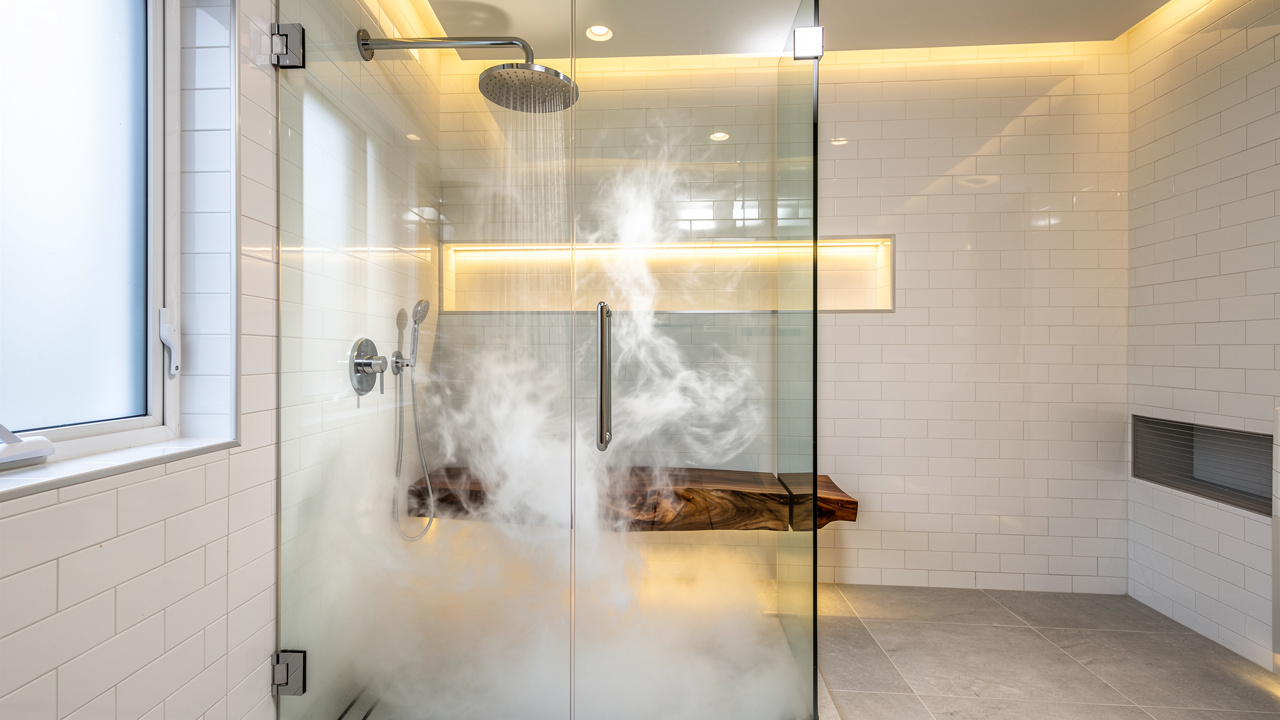
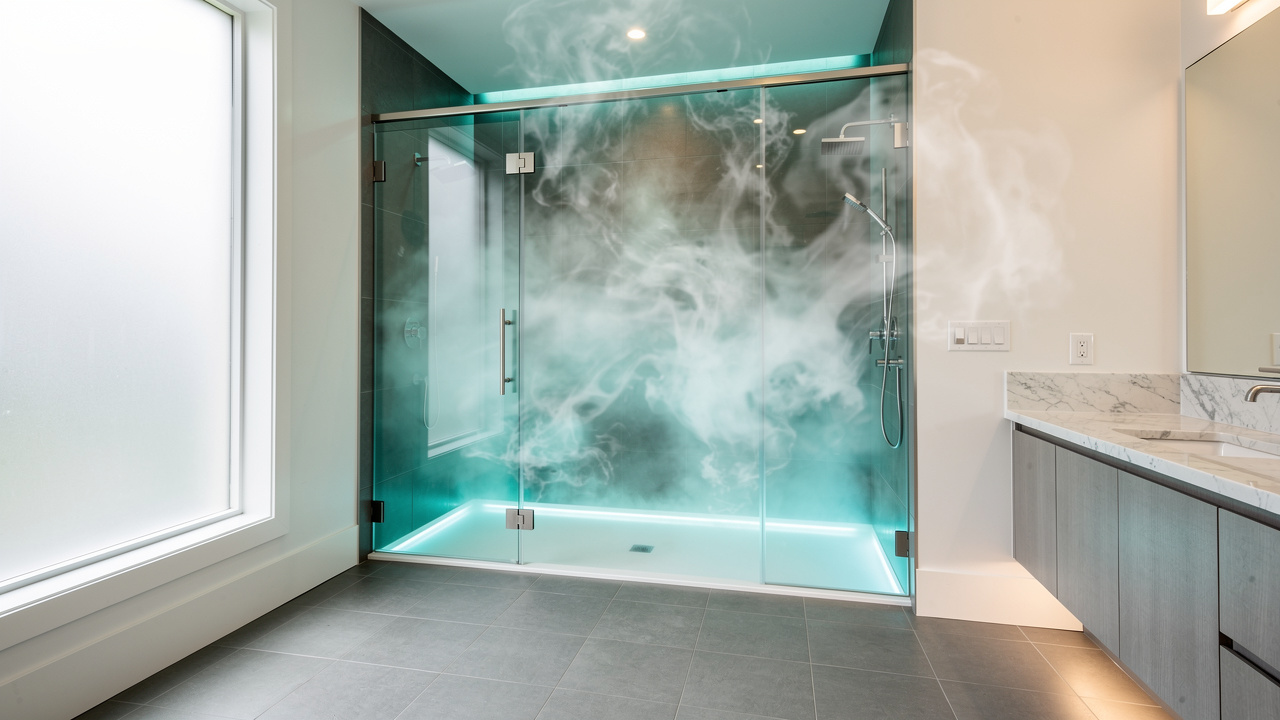
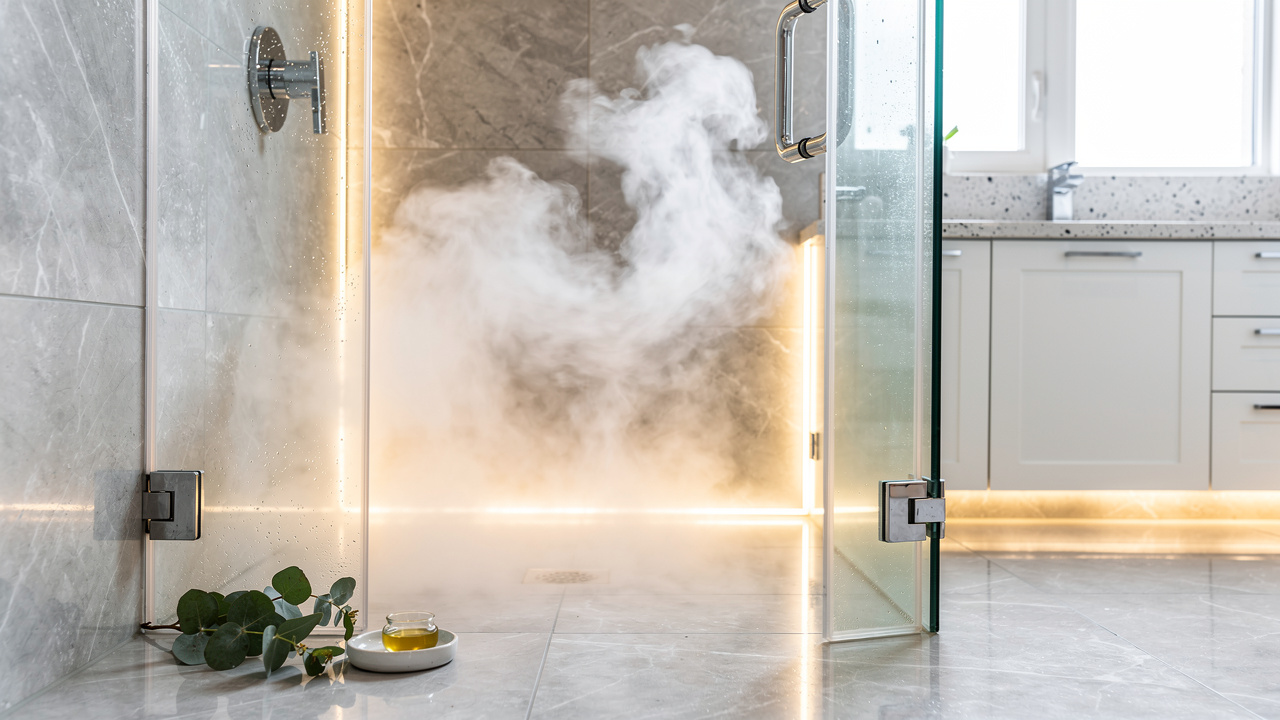
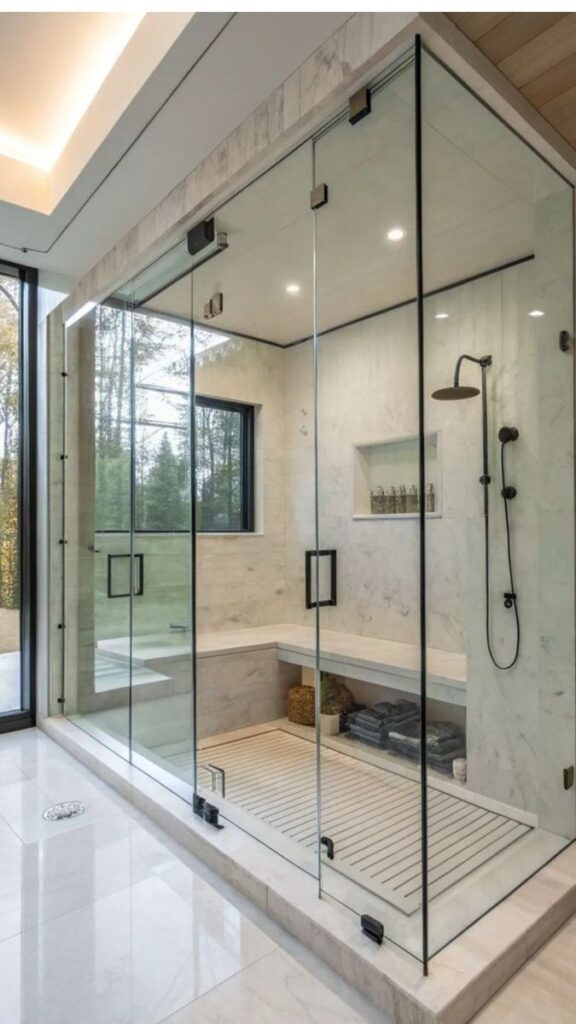
A steam shower is a fully enclosed shower space designed to fill with warm vapor, creating a humid environment that surrounds the body with gentle heat. The system works through a steam generator that heats water and releases the resulting vapor through a small outlet inside the enclosure. Temperatures usually remain lower than those found in a sauna, yet the high humidity allows the warmth to spread evenly throughout the space. Digital controls allow users to adjust temperature, set session length, and start or stop the steam cycle with precision. Many systems also include built in seating, soft lighting, or aromatherapy options that make the experience feel relaxing and comfortable. Steam showers often appear in bathroom renovation plans because they can fit within the footprint of a standard shower area. Several models and configurations can be seen on the Steam Showers section of the Soak Luxury Bath website.
What Is a Sauna?
A sauna is a heated room designed to surround the body with dry heat rather than steam. The space is typically lined with wood panels that help retain heat while creating a comfortable seating area along the walls. Heat comes from electric heaters or infrared systems that warm the air inside the room to high temperatures while humidity remains low. Traditional saunas may also allow small amounts of water to be poured over heated stones, producing brief bursts of steam that raise the heat sensation without filling the room with moisture.
Temperatures inside a sauna often reach much higher levels than those found in steam showers, which creates a different physical experience during each session. Saunas are usually installed in areas that allow for a separate enclosed room, such as basements, outdoor cabins, or dedicated wellness spaces inside the home. These installations provide enough space for benches, insulation, and proper ventilation that support consistent heat and comfort.
Steam Shower vs Sauna: Key Differences
Steam showers and saunas both create a warm space that encourages relaxation, yet their operation, installation, and overall experience differ in several ways. One system uses humid heat generated through water vapor, while the other relies on dry heat inside a specially designed room. These differences influence how each option feels during use and how easily it fits into a home renovation. Looking at a side by side comparison helps clarify how the two systems operate and what homeowners should expect during installation and daily use.
| Feature | Steam Shower | Sauna |
| Heat Type | Moist steam | Dry heat |
| Temperature Range | Lower heat | Higher heat |
| Humidity Level | Very high | Very low |
| Time to Heat | Faster | Longer |
| Space Needed | Fits inside bathroom | Requires separate room |
| Installation Complexity | Integrated with plumbing | Requires insulated room |
| Typical Session Length | Shorter | Often longer |
Benefits of Steam Showers
Steam showers have become increasingly popular in modern bathroom renovations because they combine relaxation, convenience, and wellness benefits within a compact footprint. Unlike saunas, which require dedicated rooms, steam showers fit into existing bathroom layouts while delivering a soothing, humid heat that envelops the body. These systems appeal to homeowners looking to upgrade their daily routines and create a personal spa experience without requiring significant space or structural changes.

Relaxing Humid Environment
The primary advantage of a steam shower is the way it fills the enclosure with warm, moist vapor. This humid environment helps the body relax, eases muscle tension, and can even improve breathing comfort. Many people find that starting or ending the day in a steam shower leaves them feeling refreshed and mentally clear.
Easier Integration into Existing Bathrooms
Steam showers can often be installed in the same space as a standard shower, which makes them an attractive choice for renovations where maintaining the current layout is important. Unlike saunas, they do not require a separate insulated room, extensive wood paneling, or large construction work. This makes the installation process faster and more budget-friendly.
Faster Warm-Up Time
Steam generators heat water quickly, producing vapor almost immediately. This rapid warm-Up allows users to enjoy a full session without waiting, makes it convenient for daily routines and shorter breaks during the day.
Multi-Function Shower System
Many steam showers include features such as built-in seating, adjustable lighting, aromatherapy dispensers, and integrated shower heads. This combination of functions creates a versatile environment for relaxation, hygiene, and wellness in one unit.
Suitable for Smaller Homes or Condos
Since steam showers fit within existing bathrooms, they are ideal for smaller homes or condos where space is limited. Homeowners who want a quick, accessible steam session, families with restricted square footage, or those renovating an existing bathroom often find these systems provide maximum comfort without requiring major structural changes.
Benefits of Saunas
Saunas have remained popular for generations because they provide a distinct type of heat experience that many people associate with relaxation and personal wellness. Several advantages explain why saunas continue to appear in renovation plans, particularly in homes that have enough room for a separate wellness area.
Intense Dry Heat Experiense
Saunas create heat through electric or infrared heaters that raise the temperature inside a wood lined room. The air remains dry, which produces a strong yet steady warmth that surrounds the body. Many people enjoy the clarity of this dry heat because it feels different from humid steam environments. Higher temperatures allow the body to warm gradually during the session, creating a relaxing experience that some users find deeply refreshing.
Traditional Wellness Ritual
Saunas carry a long history in wellness culture, especially in regions where regular heat sessions form part of daily life. The ritual often involves sitting quietly on wooden benches while the body adjusts to the warmth. This routine encourages relaxation and creates a moment of calm away from everyday distractions. Homeowners who appreciate that tradition often view a sauna as a place for reflection and personal time.
Space for Multiple Users
Saunas are usually designed with bench seating that accommodates several people at once. Families or guests can share the space comfortably, which makes the experience more social than a single person steam enclosure. The layout allows users to adjust seating levels depending on the heat intensity they prefer.
Dedicated Wellness Space
A sauna typically occupies its own room or structure, which creates a clear separation from the main bathroom area. Homes with larger layouts, basements, or outdoor wellness areas often support these installations. People who enjoy high temperature sessions and homeowners with room for a dedicated relaxation area often find that a sauna fits naturally into their lifestyle and renovation plans.
Maintenance and Operating Differences
Owning a steam shower or a sauna involves ongoing maintenance, but the type and frequency of care differs because of how each system operates. Understanding these requirements helps homeowners plan for long-term upkeep and operating costs while ensuring both options remain comfortable, safe, and durable over time.
Steam Shower Maintenance
Steam showers require attention to moisture and cleanliness because the enclosed, humid environment can encourage mold or mineral buildup. Regular cleaning of glass panels, tile surfaces, and seating helps maintain a fresh and sanitary space. The steam generator itself needs occasional inspection and maintenance to prevent scaling or mechanical issues, particularly in areas with hard water. Proper ventilation and sealing are also important to avoid excess moisture escaping into the rest of the bathroom, which can affect walls, ceilings, or flooring. While maintenance is generally straightforward, neglecting it can reduce efficiency and shorten the system’s lifespan.
Sauna Maintenance
Saunas, in contrast, are designed around dry heat, so the focus shifts to the wood surfaces and heating components. Wood panels and benches need periodic cleaning to remove sweat and oils and prevent discoloration or odor. The heater requires inspection to ensure safe and consistent performance, especially for electric or infrared systems. Ventilation must remain unobstructed so the heat distributes evenly and the wood does not retain excessive moisture. Saunas typically require less frequent deep cleaning than steam showers, but attention to wood care and heater function is essential to maintain a safe and comfortable environment.
Operating Costs and Expectations
Both steam showers and saunas consume electricity, but differences in heat type affect energy use. Steam showers may require more frequent generator operation for shorter sessions, while saunas often run for longer periods at higher temperatures. Homeowners should consider these factors when estimating monthly operating costs. Routine upkeep and timely attention to system components help both types of installations perform efficiently and provide a reliable wellness experience for years.
Which Option Is Right for Your Renovation?
Choosing between a steam shower and a sauna depends on a combination of practical considerations and personal preferences. Available space often plays the largest role in the decision. Steam showers fit comfortably within the footprint of most standard bathrooms, making them ideal for smaller homes, condos, or renovations where structural changes need to be minimized. Saunas, on the other hand, require a dedicated room or larger area with proper insulation and ventilation, which works best in homes with extra square footage or spaces set aside for wellness.
Budget is another important factor, as costs vary not only for the units themselves but also for installation. Steam showers typically involve plumbing, electrical connections, and a generator, but these can often be integrated into an existing bathroom layout. Saunas may require more extensive construction work, including insulated walls, wood finishes, and dedicated electrical or heating systems. Considering installation complexity alongside upfront costs helps homeowners avoid unexpected expenses and ensures the project stays on track.
The preferred heat experience and daily usage habits should also guide the choice. Steam showers deliver moist heat that warms quickly, making them convenient for short sessions and everyday use. Saunas offer intense dry heat that many users enjoy for longer, slower sessions, often as part of a wellness routine. Homeowners who prioritize quick, accessible relaxation may lean toward steam showers, while those who value the traditional, immersive ritual of a sauna will likely prefer a dedicated space designed for heat and quiet. Balancing these factors helps ensure the renovation matches both lifestyle and home layout.
Conclusion
Both steam showers and saunas offer unique ways to enjoy relaxation and wellness at home, yet the right choice depends on available space, preferred heat experience, and renovation goals. For homeowners looking to enhance their bathrooms with premium products, Soak Luxury Bath Products provides a range of steam showers and sauna systems designed to fit different layouts and lifestyles. Visit us today to review products and book a consultation for guidance on creating your perfect home wellness experience.
FAQs
- Can Soak deliver products to my home?
Yes. Homes within 50 km of our West Edmonton location can receive delivery for a flat fee. Properties farther away may incur additional mileage charges. Products can also be shipped anywhere in Canada or the USA, with shipping costs calculated at checkout. - How do I care for a steam shower?
Maintenance is simple when done regularly. Wipe glass and surfaces, keep the generator free of mineral buildup, and ensure the unit is properly sealed. The enclosed design keeps most moisture inside, so your bathroom remains dry and comfortable. - What makes saunas different in maintenance?
Saunas need attention to wood surfaces and heaters. Cleaning benches and walls prevents staining or odors, while ensuring the heater is functioning correctly keeps heat consistent. Proper ventilation is also key to avoiding lingering moisture. - Can a sauna fit in small homes?
Saunas usually require a dedicated space, so they are better suited for larger homes or rooms set aside for wellness. Compact models exist, but planning the layout carefully ensures safe and comfortable use.
Will a steam shower fit through my doors?
Steam showers arrive in sections for easier assembly on site, and most tubs fit standard 30–32 inch doorways. Unique layouts or sharp corners may require additional planning, but our team can provide guidance.