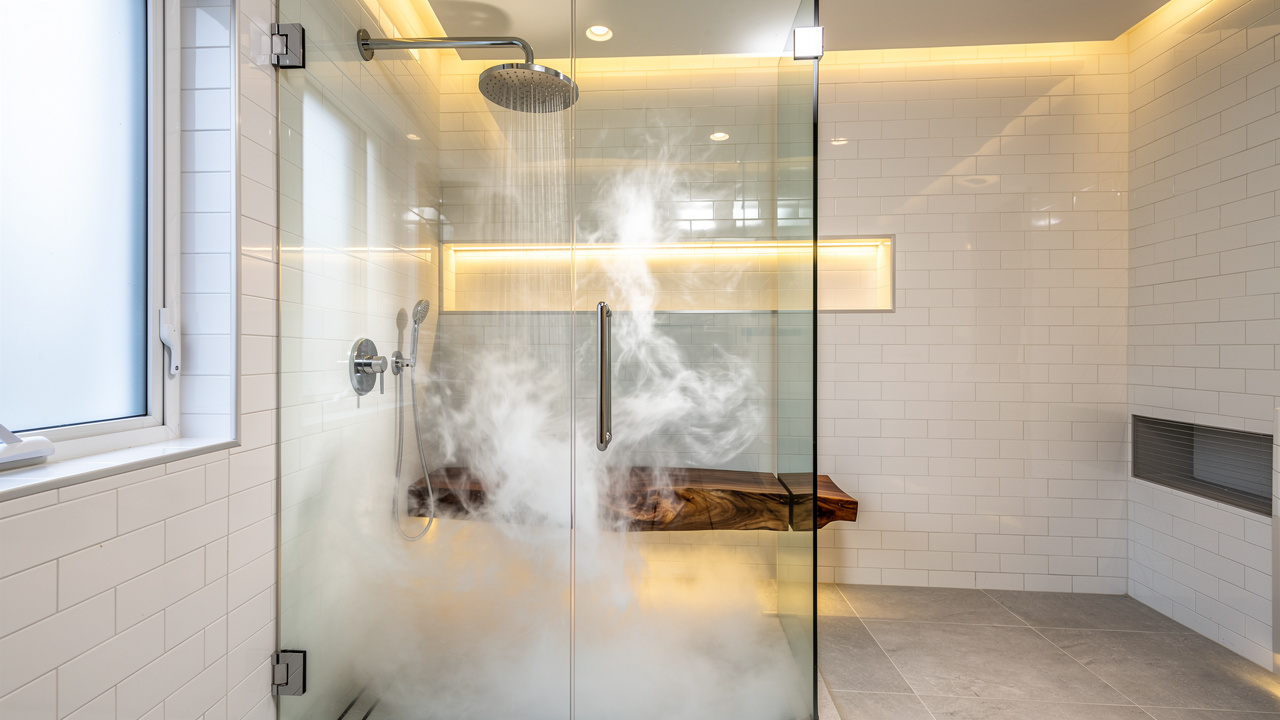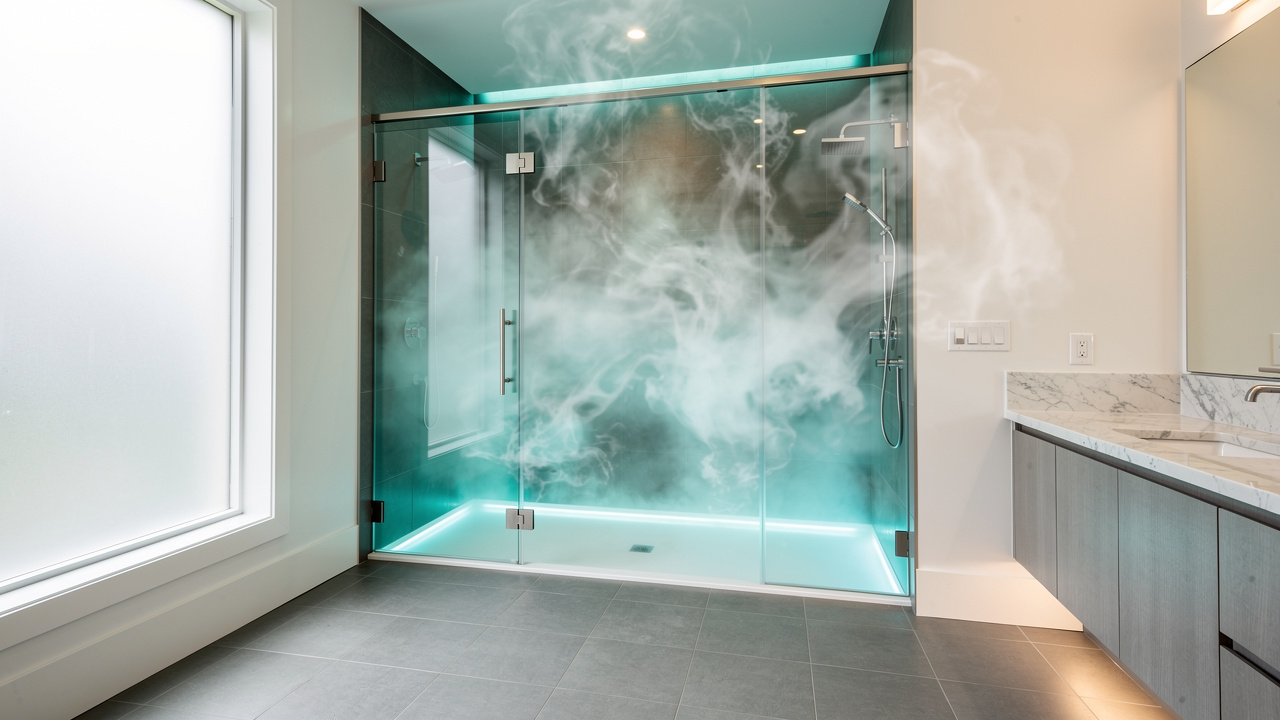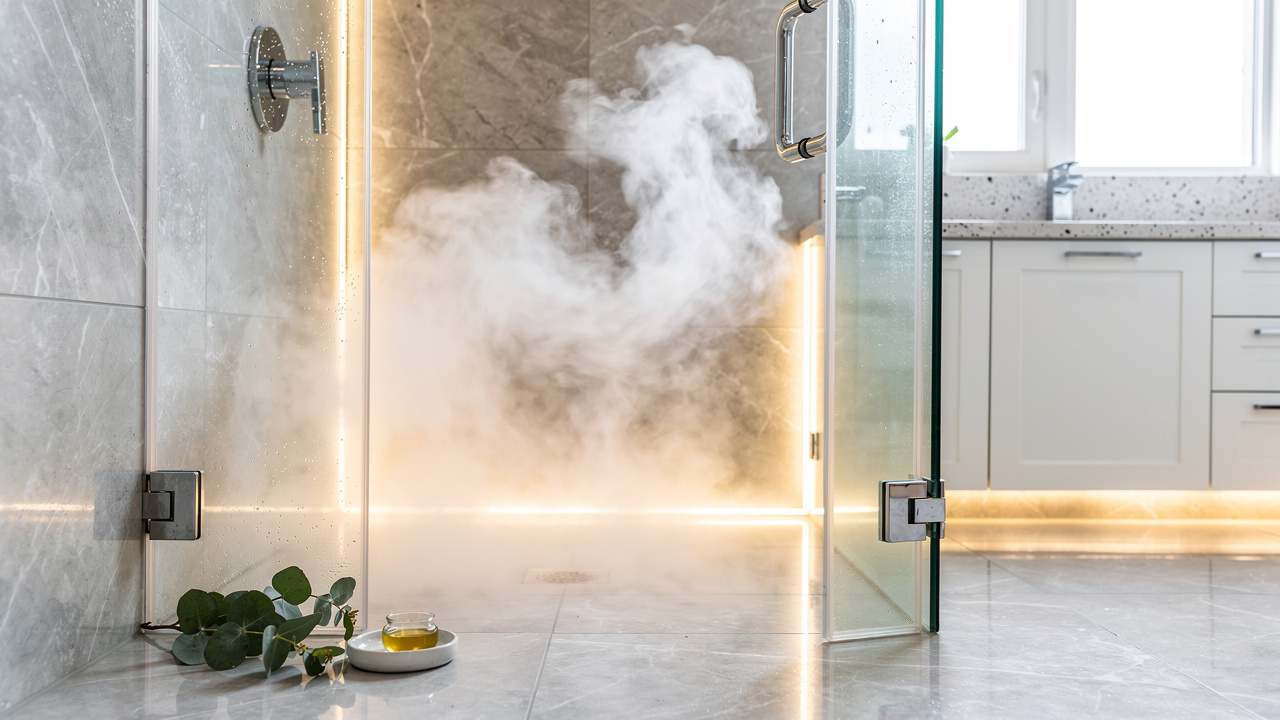


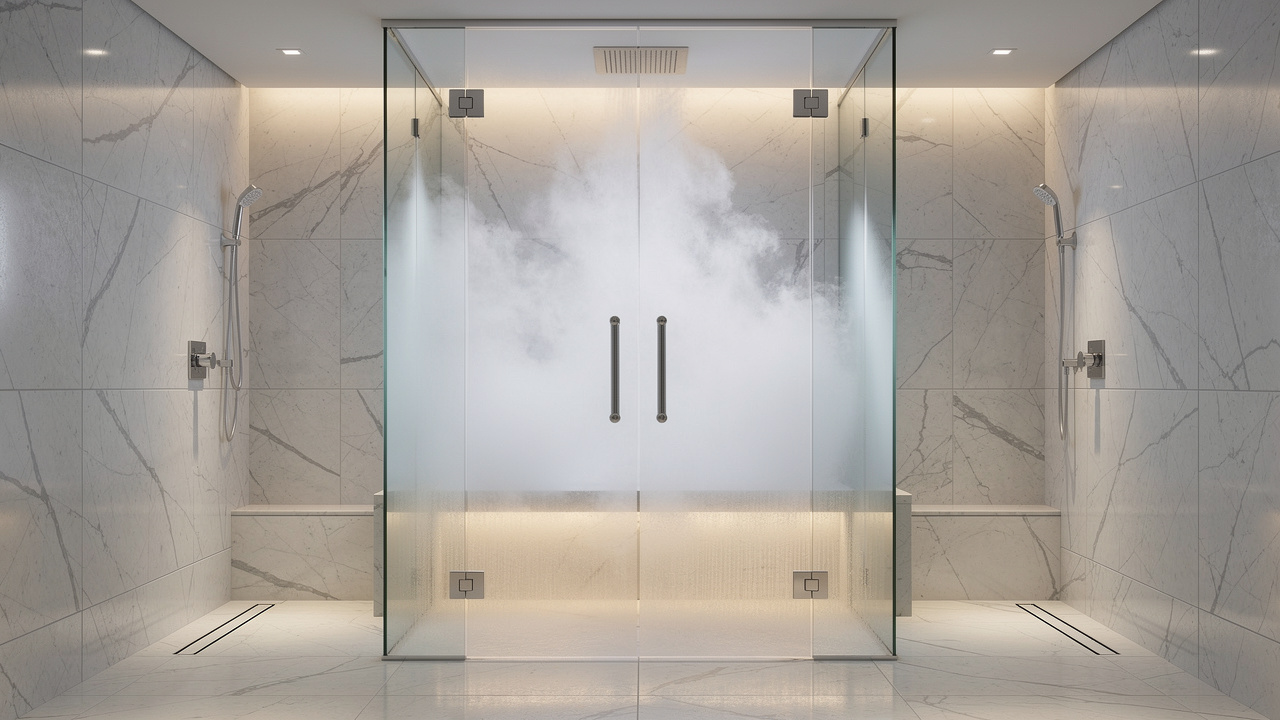
The first few steps out of bed can feel like walking on rusty hinges. Knees complain, hips feel tight, and the lower back takes a while to “wake up.” A steam shower for joint pain is a moist-heat therapy that uses high-humidity steam to widen blood vessels, improve circulation, and reduce stiffness in muscles and joints — offering steady, safe relief for people managing arthritis, old sports injuries, or long hours at a desk. That is often when exploring a home steam unit starts to make real sense.
Across Canada, more homeowners are turning their bathrooms into simple wellness spaces instead of booking frequent spa visits. A well‑planned steam therapy setup adds moist heat, deep relaxation, and quiet time to a room already used every day. It becomes a place to “reset” after a workday, a long run, or a painful flare of stiffness.
As many physiotherapists explain to their patients, “Gentle heat is one of the oldest and simplest ways to calm stiff joints.”
This article explains how moist heat therapy works, which conditions respond well, and how to use steam safely. It also outlines what to look for in a steam unit, and why working with a Canadian specialist such as Soak Luxury Bath can make day‑to‑day use more reliable. Steam will not cure arthritis or replace medical care, but regular sessions can become a practical, at‑home tool that helps the body move with more comfort. Research published in Arthritis Care & Research found that regular heat therapy sessions reduced perceived pain scores by up to 25% in patients with chronic joint conditions.
Key Takeaways
A steam shower for joint pain uses moist heat to widen blood vessels (vasodilation), improving circulation through muscles and joints. Better blood flow brings oxygen and nutrients and helps clear waste products that add to stiffness and pain.
Regular steam sessions can ease symptoms from arthritis, fibromyalgia, sports soreness, and everyday back tension. The whole body warms evenly, which supports smoother movement for hours after stepping out.
Most people do well with 43–49°C for 15–20 minutes. Shorter sessions are wise at first. Drinking water and doing gentle stretching afterward can make the relief last longer.
Features such as aromatherapy, chromatherapy lighting, and built‑in audio help the mind relax along with the body. Less stress often means less perceived pain, making it easier to stick with a steam routine.
Choosing a complete system from a Canadian supplier like Soak Luxury Bath brings local advice, matched components, and accessible service. That support helps keep moist heat therapy running smoothly for years.
The Science Behind Steam Showers and Joint Pain Relief
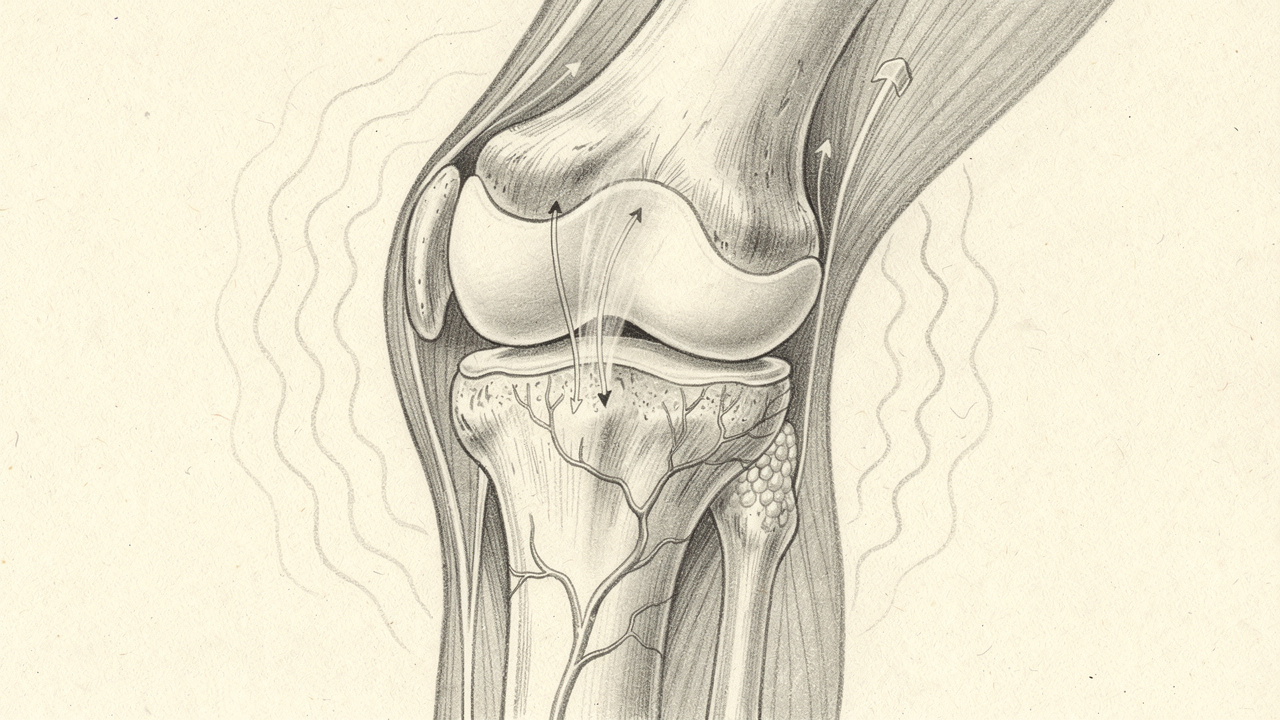
Steam therapy for joint relief relies on well‑understood principles of heat therapy. When warm, humid air surrounds the body, blood vessels near the skin and around the joints widen (vasodilation). This:
boosts circulation,
delivers more oxygen and nutrients to muscles, cartilage, and connective tissue,
helps carry away lactic acid and other by‑products that contribute to soreness.
Steam is different from dry heat. A traditional sauna uses very high temperatures with low humidity, which some people find harsh. Moist heat treatment runs at moderate temperatures — typically between 43°C and 49°C — with almost full humidity. Moist heat transfers warmth into tissue more efficiently than dry air, so muscles, ligaments, and even the fluid inside joints warm more deeply without feeling overtaxed. Studies suggest that moist heat penetrates soft tissue approximately 3 times more effectively than dry heat at equivalent ambient temperatures.
Inside a healthy joint, synovial fluid acts like a natural lubricant. When it becomes thick or sticky, movement can feel rough, especially for people with osteoarthritis. Regular moist heat sessions help soften surrounding tissues and can support smoother motion. Combined with more relaxed muscles, getting up from a chair or climbing stairs often feels less strained. In Canada, an estimated 6 million people — roughly 1 in 6 — live with arthritis, making accessible at-home relief solutions increasingly important.
Heat also changes how the nervous system processes pain. Warmth activates temperature receptors in the skin that send signals to the brain faster than many pain messages. This fits the gate control theory of pain—non‑pain signals “crowd the gate,” briefly reducing discomfort. At the same time, steam helps trigger the release of endorphins, the body’s natural chemicals that blunt pain and lift mood. When you add in looser muscles and fewer spasms, a dedicated steam session becomes a powerful, drug‑free tool for daily symptom relief.
Which Joint Conditions Benefit Most From Steam Therapy
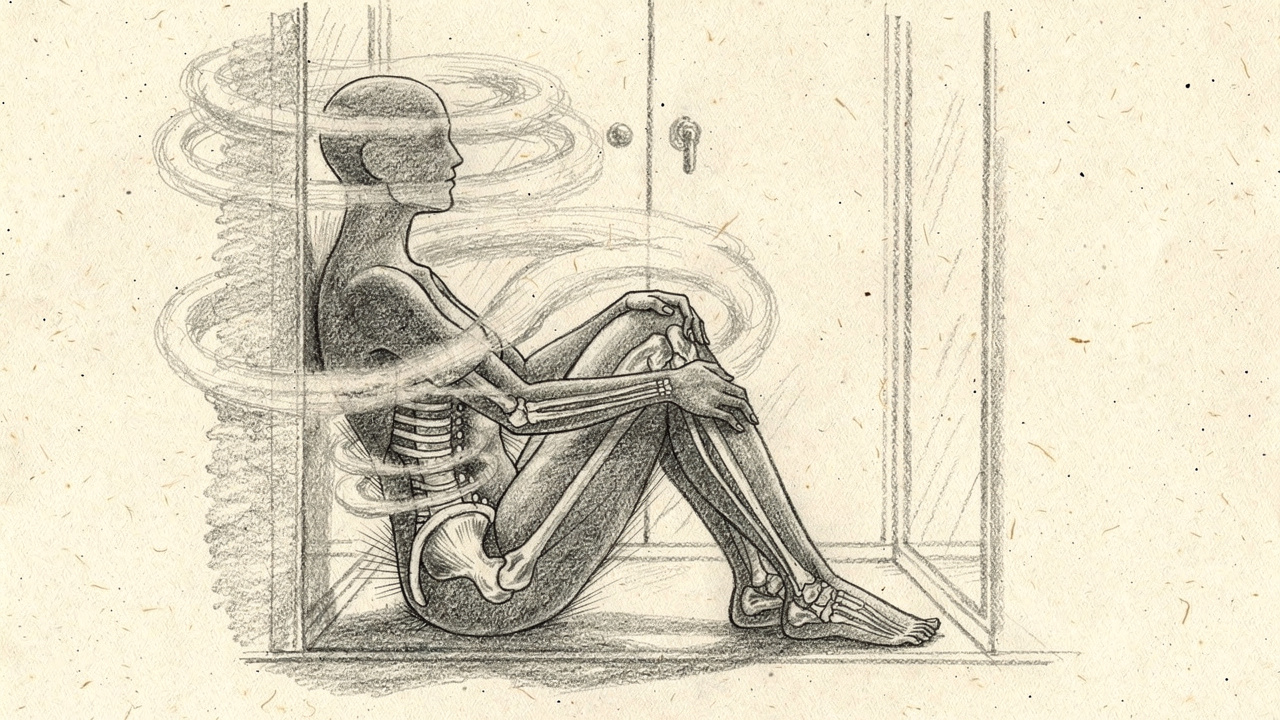
Not every condition responds the same way to heat, but many common problems improve when moist heat therapy becomes part of a regular routine. It is always wise to speak with a healthcare provider first, especially with long‑term illness or multiple medications.
Arthritis (osteoarthritis and rheumatoid arthritis)
For osteoarthritis, improved blood flow helps nourish remaining cartilage and supports the muscles that stabilize each joint. Many people notice that morning stiffness eases when they warm joints before starting the day. Those living with rheumatoid arthritis often find that gentle, non‑weight‑bearing heat takes the edge off a flare and makes movement easier without aggravating swollen areas. A survey by the Arthritis Society of Canada found that approximately 74% of arthritis patients reported heat therapy as one of their most effective non-pharmaceutical pain management tools.
Fibromyalgia
Fibromyalgia brings widespread pain, tender spots, and deep fatigue. Heat is one of the most common self‑care tools suggested for this condition. A steam shower for joint pain surrounds the whole body in steady warmth instead of focusing on a single area. This can:
reduce overall muscle tension,
support better sleep,
lower stress and anxiety that often intensify symptoms.
Post‑Exercise Soreness And Sports Strain
After a run, bike ride, or strength workout, muscles break down slightly and then rebuild. That repair process can create soreness a day or two later. Using moist heat therapy after exercise:
boosts circulation through tired muscles,
helps clear metabolic by‑products more quickly,
makes light stretching easier, which supports flexibility and may lower the chance of strain.
Research published in the Journal of Athletic Training found that heat applied after strenuous exercise reduced delayed-onset muscle soreness by up to 47% compared to no treatment.
Everyday Back, Neck, And Shoulder Pain
Long hours at a desk, commuting, or looking down at a phone build chronic tension in the lower back, shoulders, and neck. Instead of parking a heating pad on one spot, a full steam session warms the entire chain of muscles along the spine at once. Many people notice their shoulders “drop,” breathing deepens, and posture improves after a short session, which often translates into a more comfortable evening and better sleep. According to Statistics Canada, back pain affects nearly 4 out of 5 Canadians at some point in their lives, making whole-body heat therapy a widely relevant option.
“For many of my patients, a short heat session before bed makes the difference between a restless night and waking up able to move,” notes one Canadian physiotherapist.
How to Get the Most Out of Your Steam Shower Session
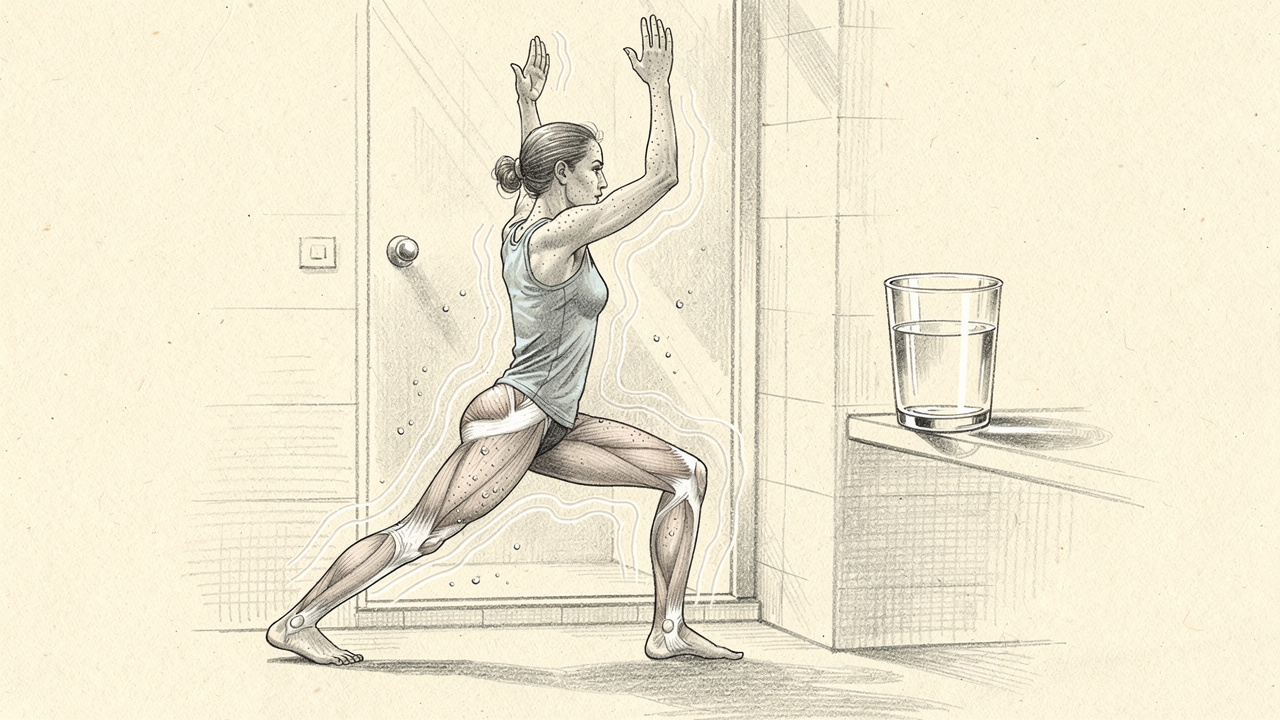
Once a steam unit is installed, how you use it matters just as much as the equipment. A few simple habits turn occasional visits into a safe, effective wellness routine.
1. Set A Comfortable Temperature And Time
Most people find 43–49°C comfortable and helpful for joint pain. When starting:
begin with 10–15 minutes,
sit or stand where the steam feels pleasant, not stifling,
increase toward 15–20 minutes only if you feel well.
Avoid staying in longer than 20–25 minutes at a time. Dizziness, nausea, or a pounding heartbeat are clear signals to step out and cool down.
2. Stay Hydrated
Steam sessions make you sweat, even if you do not see large drops on the skin. The body can lose between 500 ml and 1 litre of fluid during a typical 15–20 minute session. To stay comfortable:
drink a glass of water before entering,
have another glass afterward,
skip alcohol before or during steam, because it interferes with normal temperature control.
3. Use Aromatherapy Thoughtfully
Many modern units, including those from Soak Luxury Bath, have aromatherapy ports. A few drops of essential oil can turn a regular steam session into a more spa‑like experience:
Eucalyptus may feel clear and refreshing for people with stuffy breathing.
Lavender can take the edge off stress.
Peppermint adds a light cooling sensation on warm skin.
Use oils sparingly; steam carries scent very efficiently.
4. Stretch While Warm
The minutes right after a session are ideal for gentle movement. Coming out of a steam enclosure, muscles and connective tissue are warm and more flexible. Consider:
light stretches for hips, hamstrings, and lower back,
slow shoulder rolls and neck stretches,
simple ankle and knee bends if those areas tend to stiffen.
Think of steam therapy as preparation for better mobility, not just a short break from pain.
5. Keep Safety Front And Centre
Some people should check with a doctor before using moist heat therapy, including those who:
have heart disease or uncontrolled high or low blood pressure,
live with epilepsy or certain neurological conditions,
have diabetes with circulation or nerve issues,
are pregnant.
Children overheat more easily, so steam is not suitable for them. Inside the enclosure, non‑slip flooring and, for many households, grab bars help prevent falls when surfaces are wet.
Choosing a Steam Shower for Joint Pain Relief — What to Look For
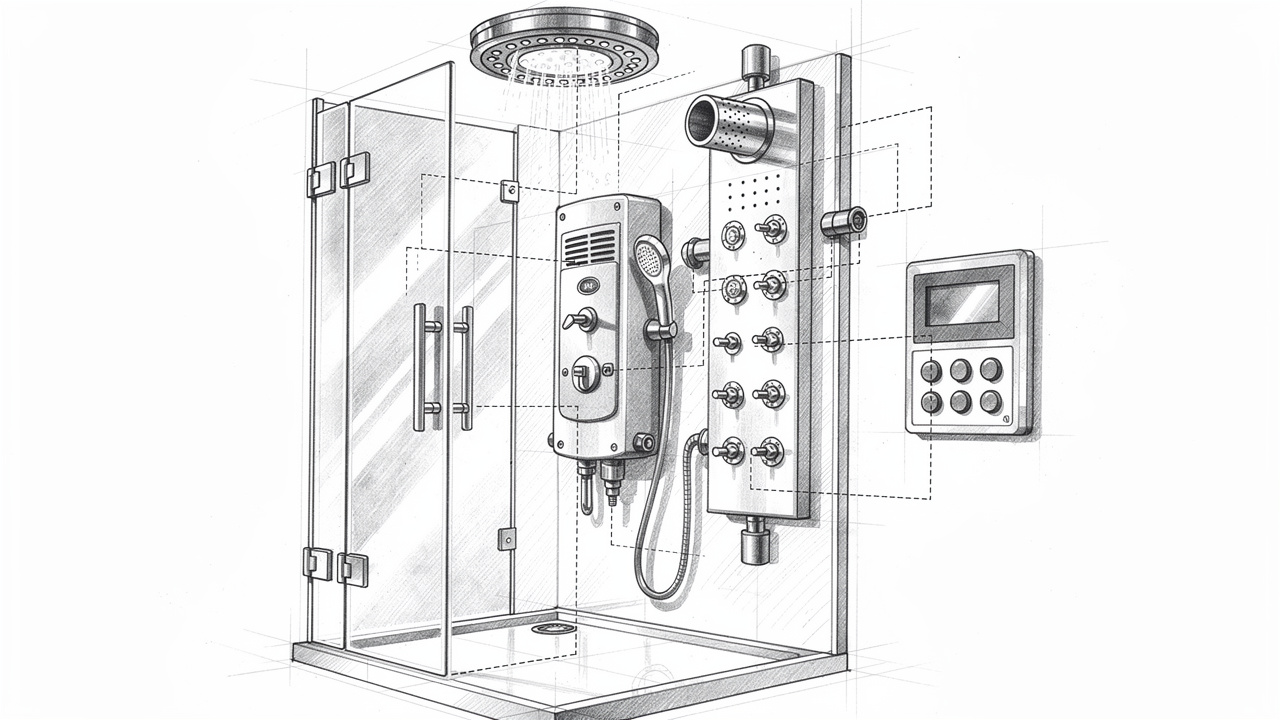
When planning a renovation or new build, it helps to match your equipment to your needs. Someone focused on a steam shower for joint pain needs steady heat, simple controls, and support if anything needs attention later—not just attractive glass.
Steam Generator Sizing And Performance
The steam generator is the heart of the system. It must be sized to:
the volume of the space,
the wall materials (stone, tile, acrylic all hold heat differently),
how quickly you want the room to fill with vapour.
Soak Luxury Bath helps homeowners calculate the right size so the steam enclosure warms evenly and maintains a steady temperature. That consistency prevents shivering at the start or uncomfortable spikes during a session. Properly sized generators typically reach target temperature within 10–15 minutes of startup, ensuring sessions are efficient and predictable.
Targeted Water Jets And Bath Options
Targeted water pressure adds another layer of relief. Many Soak Contemporary Series cabins, including models such as the SR‑89102 and SR‑89106, feature multiple back jets that can be aimed at common problem spots like the lower back or shoulders.
For those who enjoy soaking as well as steaming, the Legend Series shower‑tub combinations, including the long‑standing BU612, combine:
a full steam enclosure,
a hydromassage tub,
an in‑line heater to keep bath water warm.
This lets one compact space handle both a warm bath and steam therapy for aching joints.
Multi‑Sensory Comfort Features
Mental relaxation is part of pain relief. Many Soak Luxury Bath units include:
aromatherapy ports,
chromatherapy LED lighting,
Bluetooth audio.
Soft blue or green light, paired with calming music or a guided breathing track, can lower stress levels that often make pain feel worse. In this way, the steam enclosure becomes a quiet retreat as well as a physical therapy tool.
Integrated Systems And Local Support
Piecing together a generator, enclosure, controls, and jets from different brands can create headaches when something needs service. Soak Luxury Bath focuses on complete, integrated systems where components are designed to work together. That makes:
selection simpler for homeowners,
installation smoother for trades,
future maintenance more straightforward.
For Canadian homes, local support matters. With an in‑house service team and parts stocked in Canada, help is close at hand if a control panel needs attention or a valve ages out. When regular moist heat therapy is part of long‑term plans to stay comfortable at home, that nearby support can be as valuable as any feature on the spec sheet.
“The best wellness upgrades are the ones people actually use every week, not just on special occasions,” notes a Canadian bathroom designer. “Reliable equipment and easy service are a big part of that.”
Conclusion
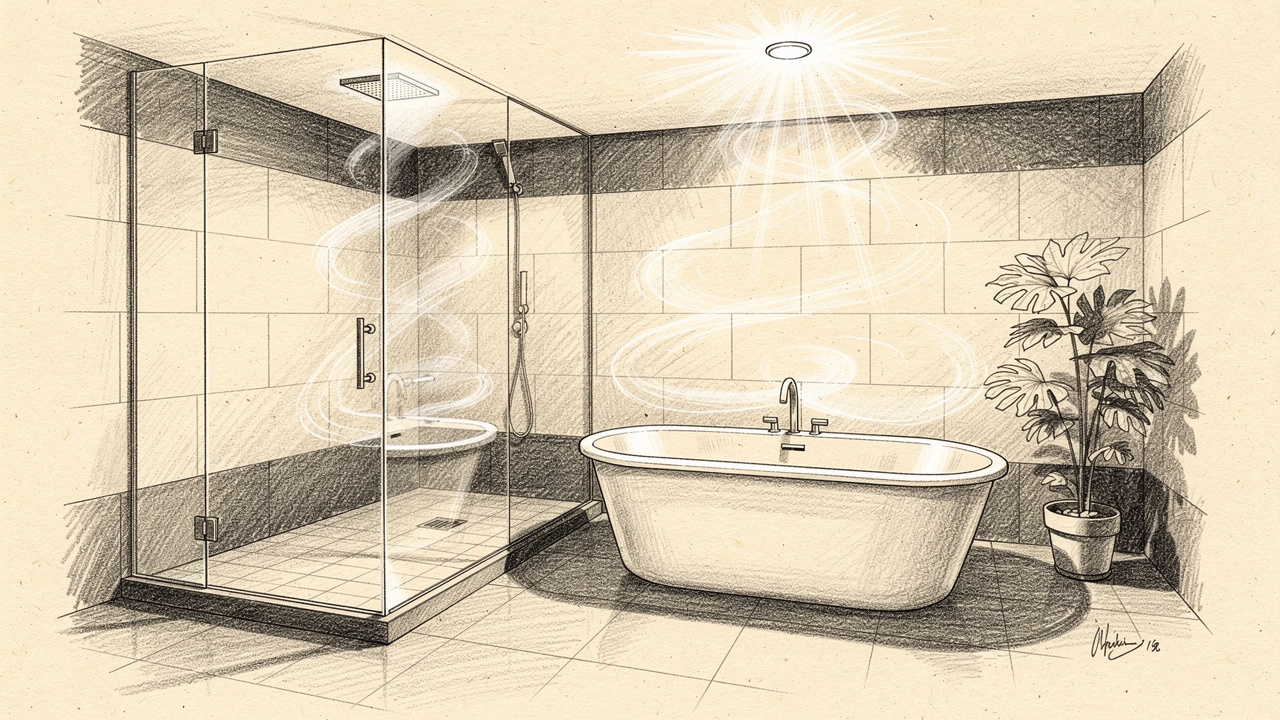
Moist heat, stronger circulation, and relaxed muscles work together in a steam shower for joint pain to make everyday movement easier. When joints feel stiff and sore, stepping into gentle, enveloping steam offers both physical comfort and a quiet mental pause. Used regularly, short sessions build on each other and can become a steady habit that supports joint health.
Steam works best as part of a broader plan that includes medical care, appropriate movement, and good sleep. For homeowners across Canada who want that comfort at home, Soak Luxury Bath offers complete steam shower systems, hydromassage options, and local support from selection through to service. Exploring their product range or speaking with the team is a practical next step toward turning a regular bathroom into a warm, welcoming space that helps manage joint pain day after day.
FAQs
Is A Steam Shower Good For Arthritis?
Yes. Many people with arthritis find that a steam shower for joint pain eases morning stiffness and makes movement feel smoother. Moist heat soothes irritated tissues and improves circulation around affected joints. Both osteoarthritis and rheumatoid arthritis can benefit from this kind of gentle warmth. Always talk with a doctor before adding steam to an existing treatment plan, especially if you take medications that affect circulation or blood pressure.
How Long Should I Stay In A Steam Shower For Joint Pain Relief?
Most people aim for 15–20 minutes at a comfortable temperature between 43 and 49°C. When you first start using steam therapy, keep sessions closer to 10–15 minutes and increase slowly if you feel well. Avoid staying in longer than 20–25 minutes in one stretch. Drink water before and after, and step out right away if you feel lightheaded, short of breath, or unwell.
What Is The Difference Between A Steam Shower And A Sauna For Joint Pain?
A steam shower for joint pain uses moist heat at moderate temperatures with very high humidity. Many people find this easier to breathe and gentler on the skin. A sauna uses dry air at much higher temperatures, which can feel intense and drying. Steam often reaches muscles and joints more effectively at these lower temperatures, and a steam unit can fit into a regular bathroom for convenient daily use, while a traditional sauna usually needs a separate dedicated room.