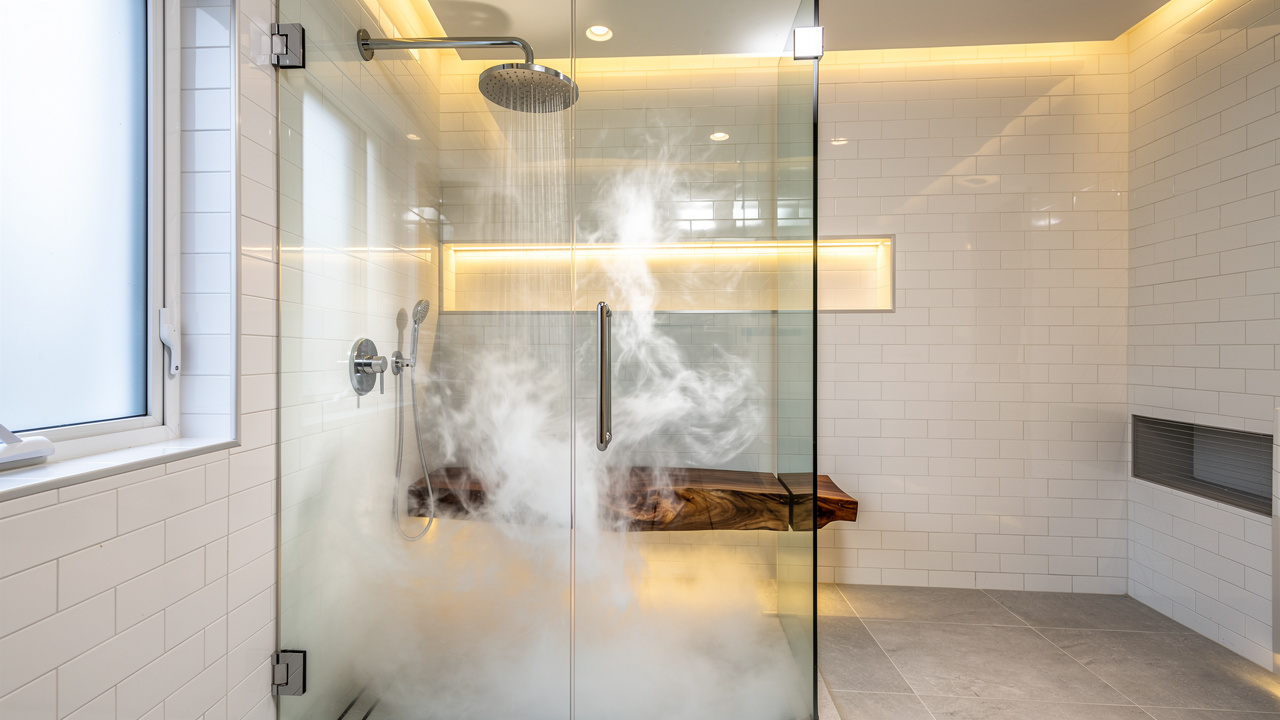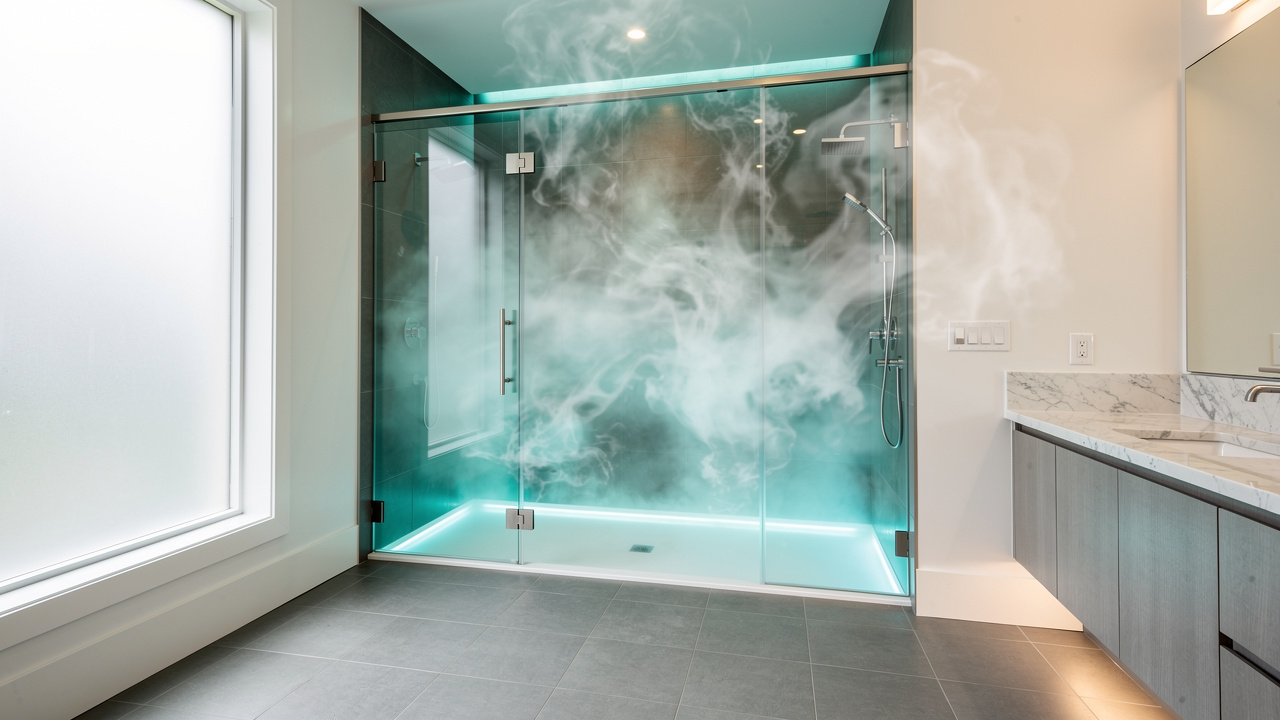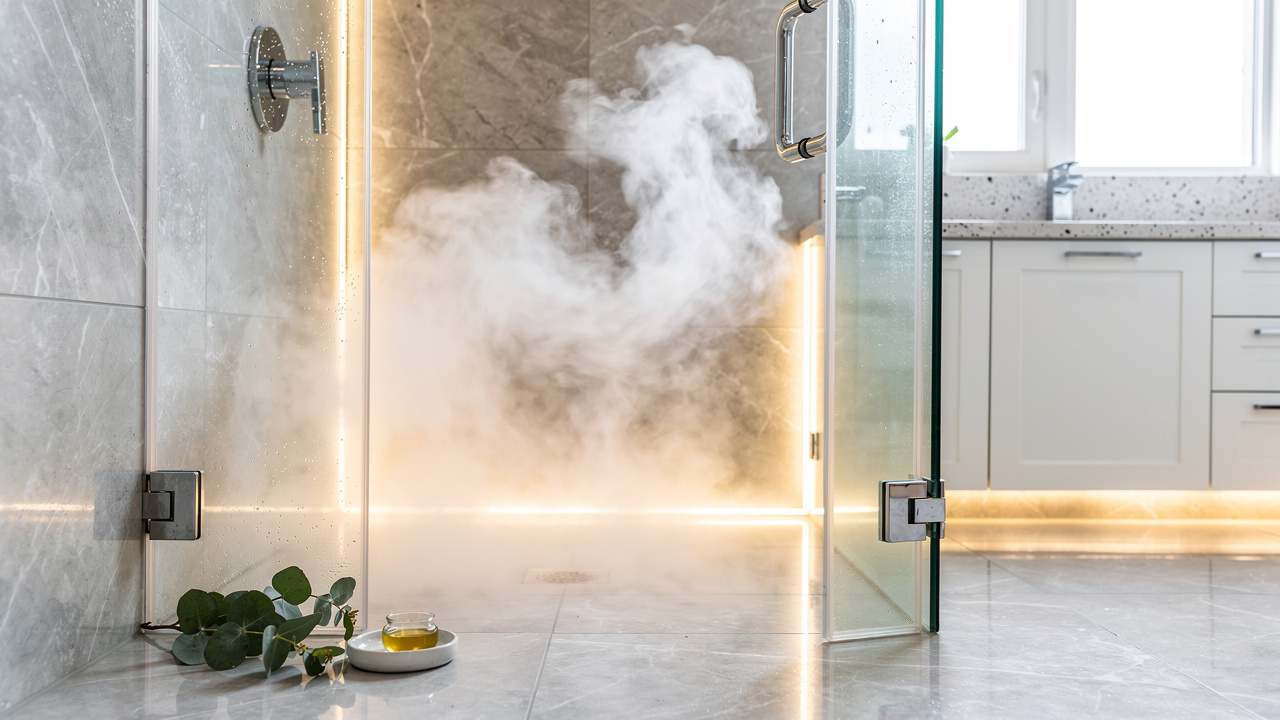


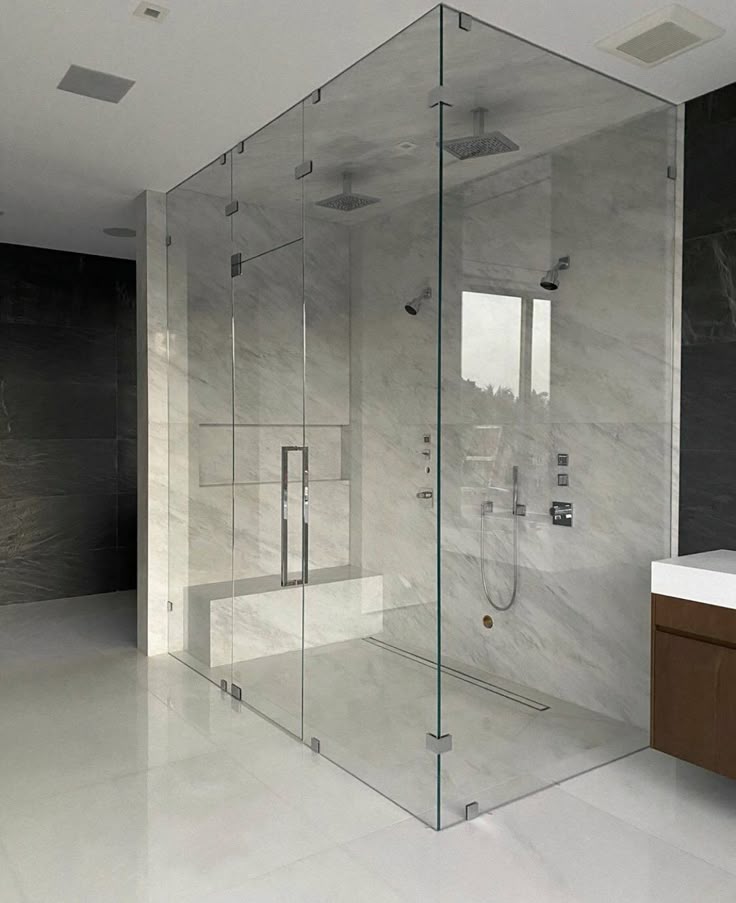
Warm steam filling a quiet shower at the end of a long day feels simple, yet the system behind that comfort depends on several parts working together smoothly. Homeowners sometimes worry when steam takes longer to appear, temperatures shift, or a faint drain odor shows up. Most situations trace back to installation details, generator sizing, or routine upkeep rather than product failure. Years of working with steam systems at Soak Luxury Bath have shown that small oversights often create the biggest frustrations. Clear guidance helps homeowners avoid those moments and enjoy steady, reliable steam that boosts mood and eases daily stress, without second-guessing their investment or comfort.
Steam Shower Not Producing Steam
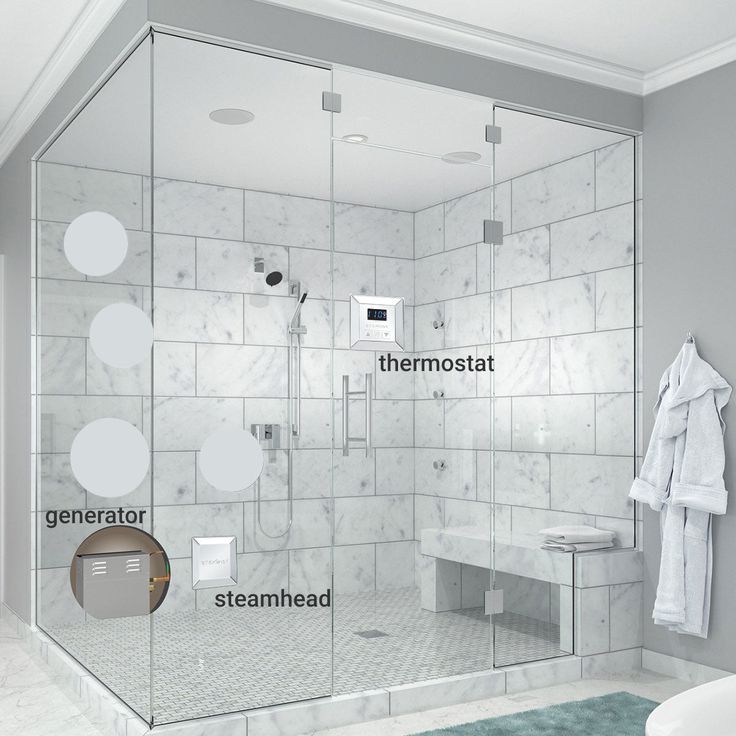
A steam shower that refuses to produce steam can quickly turn a relaxing plan into a confusing moment. Homeowners usually expect warm vapor to begin forming within a few minutes after activating the control panel, so silence from the generator naturally raises concern. Steam systems operate through a simple sequence where water flows into the generator, electricity heats it, and the control panel signals the unit to begin producing steam. Any disruption in that sequence can stop the process. Power supply problems appear often because the generator requires a stable electrical connection. A tripped breaker or loose wiring may quietly interrupt the system without showing obvious signs inside the shower.
Water supply interruptions create another common explanation. Steam generators depend on a steady flow of water, and something as simple as a closed valve can prevent steam from forming. Plumbing adjustments during other household repairs sometimes leave valves partially closed without anyone realizing it. Control panel communication also deserves attention. The panel sends signals through wiring that instruct the generator to begin heating water, so a loose connection may stop that message from reaching the unit. Generator size occasionally plays a role as well. A smaller generator working inside a larger enclosure can struggle to build enough steam, which leaves the shower feeling cooler than expected.
Thoughtful planning during installation prevents many of these situations before they ever appear. Electricians familiar with steam systems connect generators to the proper electrical supply and confirm stable power delivery. Generator capacity must also match the shower enclosure so the system can produce steady steam without strain. Routine checks around water valves and control panels help homeowners catch small problems early. Situations that continue despite basic checks deserve attention from a trained service team. Support specialists at Soak Luxury Bath help diagnose underlying issues and restore reliable steam experience homeowners expect from their system.
Temperature Fluctuations During Use
Temperature changes during a steam session can interrupt what should feel calm and steady. Steam showers work best when heat builds gradually and remains stable inside the enclosure, so sudden shifts in warmth often signal that something within the system needs attention. Generator capacity sometimes sits at the center of the problem. A generator that struggles to match the size of the shower enclosure may produce steam in short bursts rather than maintaining a smooth flow. Heat loss can also play a role. Small gaps around glass panels or door seals allow warm air to escape, which forces the generator to work harder while the temperature inside the shower rises and falls.
Sealing problems may appear subtle at first, yet even a narrow opening around a door frame or panel can allow heat to escape faster than the system can replace it. Glass enclosures designed for steam environments usually rely on tight seals that trap warmth while the generator maintains a steady level of moisture and heat. Control calibration occasionally contributes to inconsistent temperatures as well. Control panels communicate with the generator to regulate how the system heats water, and inaccurate settings may cause the generator to cycle on and off unevenly during use.
Stable steam sessions usually begin with careful installation and thoughtful planning. Correct generator selection allows the system to match the size of the enclosure so steam fills the space at a steady pace. Professional installers also check door seals, glass connections, and panel joints to confirm that heat stays inside the enclosure where it belongs. Regular inspections help homeowners notice worn seals or small gaps before those details begin affecting performance.
Drain Odors in Steam Showers
Occasionally, a faint but unpleasant smell emerges from the drain even when the steam system is working normally. This is rarely caused by the generator and almost always relates to plumbing conditions. P traps that have dried out allow sewer gases to escape, while bacteria naturally growing in warm, damp drains can intensify odors. Extended periods without using the shower give stagnant water a chance to settle, creating lingering smells that seem stronger than they really are.
Preventing these odors often requires simple, consistent attention. Letting water run through the drain on a regular basis keeps the P trap filled and blocks gases from rising into the shower enclosure. Cleaning the drain periodically removes small buildups that harbor bacteria, and gentle treatments with mild cleaners can further reduce odor-causing growth. These steps help maintain freshness without affecting the steam system’s performance.
Recognizing that drain smells originate in plumbing rather than the steam unit helps avoid unnecessary worry. Keeping the P trap full, maintaining clear drains, and encouraging occasional water flow preserves a clean and comfortable environment. With these practices, the shower remains inviting, warm, and free from odors that could distract from a relaxing steam session.
Mold Concerns and Bathroom Moisture
High humidity often raises concerns about mold when a steam shower is added to a bathroom. Many people imagine that filling a room with steam will leave walls and ceilings damp and promote fungal growth. Bathrooms that lack proper airflow or have weak exhaust systems can indeed develop moisture problems, which is why some worry about long-term mold issues. The perception of risk is real, yet in most cases, these fears do not reflect how steam showers function when installed correctly.
Steam showers are designed to contain moisture within fully sealed glass enclosures. Steam condenses on the glass and other interior surfaces rather than escaping into the broader bathroom space. This controlled environment prevents excessive humidity from affecting walls, floors, or ceilings outside the unit. Limited moisture reaches the rest of the bathroom, and with proper use, the enclosure directs most condensation back to the drain. Even during frequent daily use, a properly installed unit does not create the damp conditions needed for mold to thrive.
Maintaining a fresh, mold-free bathroom begins with ventilation and cleaning. Using an exhaust fan helps remove any residual moisture, while wiping down surfaces and keeping the shower clean prevents buildup. Ensuring that the enclosure is installed with tight seals and checked periodically allows the system to operate as intended. Mold usually develops when bathrooms are poorly ventilated or when water collects around fixtures, rather than the steam shower itself. Following these simple practices ensures a safe, comfortable environment where the shower can be enjoyed without worry.
Why Service and Parts Availability Matters
Reliable service and easy access to replacement parts play a crucial role in keeping a steam shower running smoothly. Even high-quality units occasionally experience issues, whether due to electrical connections, worn components, or minor system malfunctions. Without timely support, small problems can become disruptive, reducing the enjoyment and convenience the shower provides. Having a dedicated service team nearby ensures that any concerns are addressed promptly, limiting downtime and maintaining the system’s performance over time.
Timely Repairs Prevent Bigger Problems
Minor issues such as inconsistent heating, unusual noises, or control panel glitches can escalate if left unaddressed. Quick access to service technicians allows troubleshooting and repair before small faults develop into costly or complicated problems. Professional teams also understand the nuances of different steam shower models, meaning repairs are accurate and reduce the risk of introducing further complications. Knowing that replacement parts are readily available offers peace of mind, especially when the unit has specialized components that may not be stocked by generic retailers.
Parts Availability Reduces Dowtime
Having replacement components on hand makes a significant difference in resolving issues efficiently. Steam generators, control panels, and valves require precise compatibility, and delays in obtaining parts can prevent normal use for weeks. A local supplier or manufacturer who maintains an inventory ensures that repairs happen quickly, helping the system return to full function without long interruptions. Homeowners benefit from transparency about which parts are in stock and realistic timelines for delivery, avoiding surprises or hidden delays.
Expert Support Enhances Longevity
Regular maintenance and easy access to qualified technicians contribute to the long-term health of the steam shower. Service teams can recommend routine inspections, check seals, verify electrical connections, and replace worn components before they affect performance. This proactive approach keeps the unit operating efficiently, preserves warranty coverage, and maintains the overall safety of the system. Choosing a supplier that prioritizes service and parts availability ensures that a steam shower remains a reliable and enjoyable feature for years, protecting both the investment and the bathroom experience.
When to Contact a Steam Shower Service Team
Even the most carefully installed steam showers can encounter issues that require professional attention. Understanding when to reach out to a service team helps prevent small problems from escalating and ensures the system continues to operate safely and efficiently. Recognizing the signs that indicate technical intervention is necessary allows the steam shower to remain a reliable and enjoyable feature of the bathroom.
Persistent Steam or Heating Issues
A steam shower that fails to maintain consistent heat or does not produce enough steam can indicate electrical, generator, or control panel problems. Occasional fluctuations may resolve with basic checks, but repeated inconsistencies suggest that a trained technician should inspect the system. Contacting a service team promptly ensures that any internal issues are diagnosed accurately, reducing the risk of further damage or malfunction.
Unusual Noises or Odors
Unfamiliar sounds or strange smells coming from the shower enclosure, generator, or plumbing system can signal underlying concerns. These may include loose components, mineral buildup in the generator, or minor electrical faults. Early intervention by a service professional can prevent small problems from becoming costly repairs while maintaining safety and system performance.
Maintainance and Preventive Checks
Even without obvious issues, scheduling periodic inspections with a qualified team can extend the life of the steam shower. Professionals can test seals, review electrical connections, clean key components, and provide guidance on keeping the system in peak condition. Reaching out proactively allows access to replacement parts if needed and avoids potential downtime. Regular interaction with a service team offers confidence that the unit remains fully functional and safe for daily use, preserving both the investment and the relaxation experience.
Conclusion
Proper installation and consistent maintanance allow steam showers to provide years of reliable, relaxing use. Even minor issues can affect performance if left unchecked, which is why professional support is invaluable. The Soak Luxury Bath service team offers expert troubleshooting, access to replacement parts, and practical guidance for keeping every system running smoothly. Reaching out ensures peace of mind, quick resolution of concerns, and continued enjoyment of a fully functional steam shower without unexpected interruptions.
FAQs About Steam Shower Problems
Why is my steam shower not producing steam?
Steam production can be affected by generator power, water supply interruptions, or control panel issues. Ensuring the generator is correctly sized for the enclosure and checking connections usually resolves most problems. Persistent issues should be inspected by a qualified technician.
Can steam showers cause mold in a bathroom?
Properly sealed glass enclosures keep most moisture contained, preventing mold growth. Ventilation and routine cleaning further reduce risks. Mold typically appears when bathrooms are poorly ventilated rather than from the steam shower itself.
How often should a steam generator be maintained?
Routine maintainance every six to twelve months helps maintain efficiency. Checking electrical connections, cleaning mineral deposits, and inspecting seals keeps the system performing reliably.
Why does my steam shower drain smell sometimes?
Drain odors often result from dry P traps or bacteria buildup in the steam system. Running water regularly and occasional mild cleaning usually prevents smells.
How long should it take for steam to build inside the shower?
A properly sized generator should produce steam within a few minutes. If it takes longer, the unit may need servicing, or the enclosure may require inspection for leaks or sealing issues.