

Picture stepping through the door on a cold Edmonton evening. Boots off, shoulders tight, jaw clenched, brain still replaying meetings, traffic, and renovation decisions. Too tired to do much, but somehow too wired to fall asleep anytime soon.
Now imagine walking into a warm, quiet bathroom instead. The glass of your steam enclosure softens with mist, the air fills with gentle heat, breathing gets deeper, and the chatter in your head finally falls quiet. That calm is not just “spa vibes.” Many of the health benefits of steam shower use are measurable, from circulation and breathing to stress and sleep.
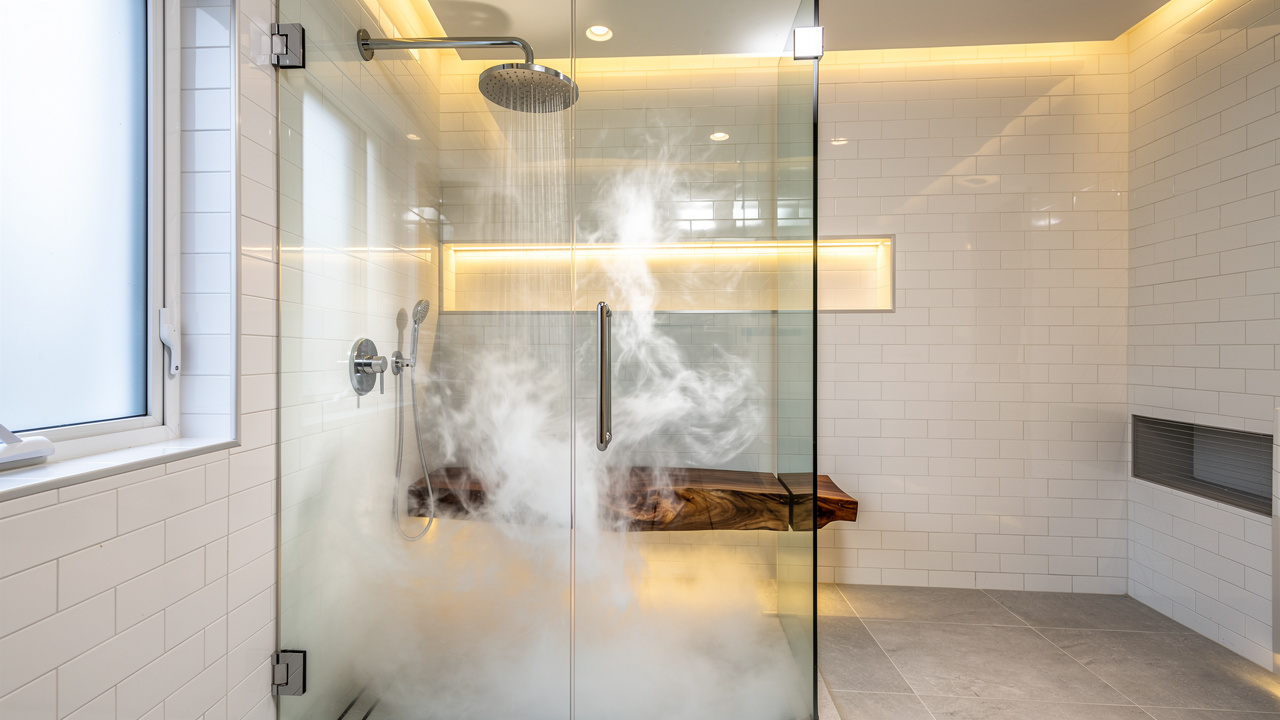
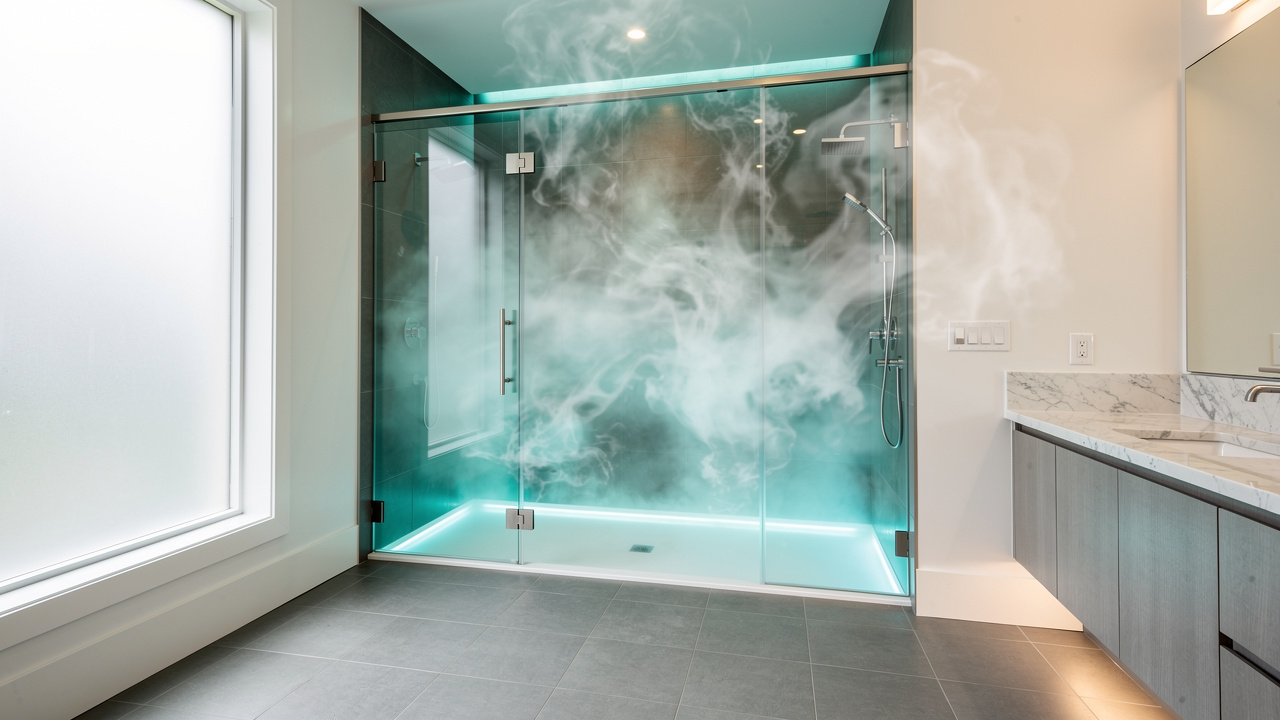
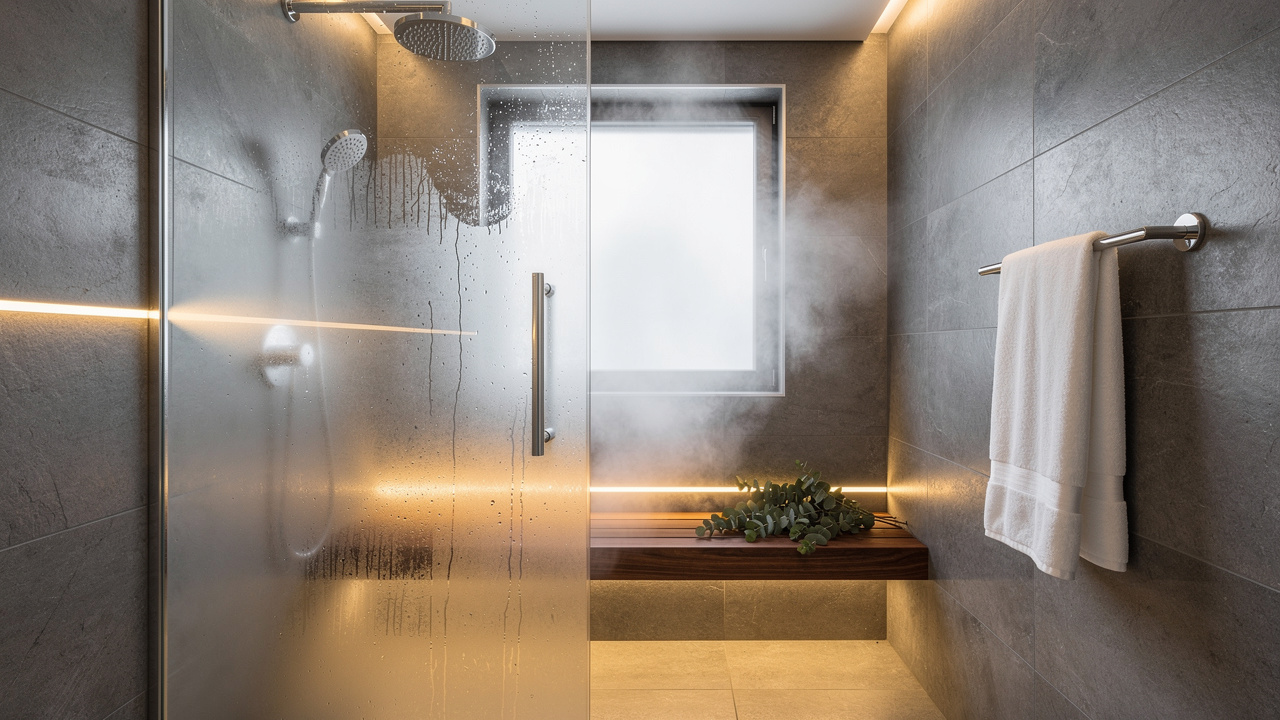
A modern steam shower is a fully enclosed, humidity‑sealed shower that fills with warm vapour at around 43–46°C and nearly 100% humidity. It still works as an everyday shower, but with the added power of steam therapy. This practice goes back thousands of years, from Roman thermae and Turkish hammams to Finnish and Russian bath traditions. The difference in 2026 is simple: that same experience can now live in a regular Edmonton bathroom.
This article walks through the real, research‑supported health benefits of steam shower use, in clear language. By the end, it should be easier to decide whether a steam shower belongs in your renovation plans—and what kind of unit will fit your home and wellness goals.
Key Takeaways
Before diving deeper, here is a quick snapshot of what research and real‑world use suggest about steam shower benefits.
Better circulation and muscle comfort: Steam showers support circulation through vasodilation, which helps your heart, relaxes muscles, and lets sore areas recover more comfortably. This gentle blood‑flow increase is especially helpful when heavy workouts or long workdays leave the body stiff and tired. Used regularly, it becomes a simple way to support day‑to‑day physical comfort.
Easier breathing and sinus relief: Warm, moist air thins mucus, eases sinus pressure, and soothes irritated airways, so breathing feels easier. Many people find this especially helpful during dry Alberta winters or allergy season. Compared with dry heat, the humidity is far kinder to the nose, throat, and lungs.
Lower stress, better sleep, and calmer skin: Consistent steam sessions can lower stress hormones, support better sleep, and improve skin hydration and clarity over time. Because the system lives at home, the wellness benefits of steam shower use are available daily, without needing a spa visit or gym membership.
How Steam Showers Affect Your Body: The Basic Science
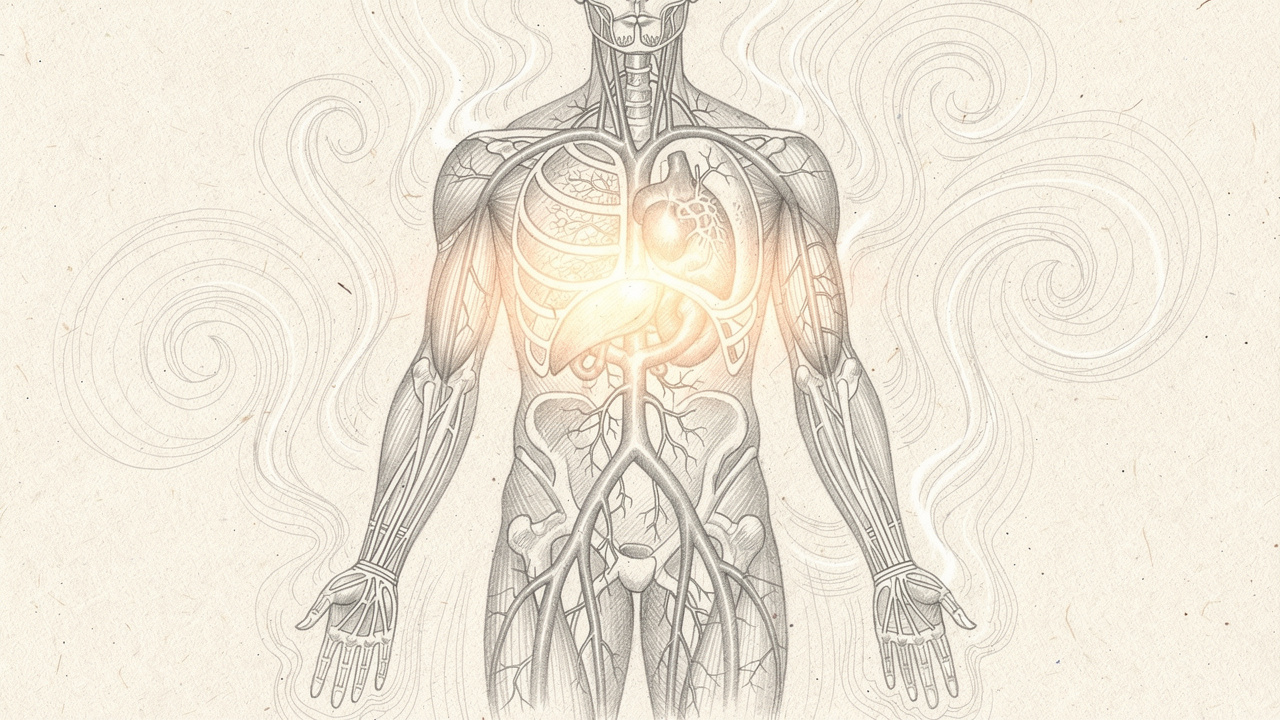
To understand the health benefits of steam shower use, it helps to know what that warm mist is doing inside the body.
When you step into a steam enclosure, three main changes begin:
Vasodilation and circulation: Surrounded by gentle heat, blood vessels widen. Wider vessels mean less resistance, so blood can move more easily through arteries and veins. This is a big reason steam bathroom benefits include better circulation, faster recovery, and that pleasant “post‑steam glow” in the skin.
Moist heat instead of dry heat: A sauna uses very hot, dry air, which can feel sharp on the throat and drying on the skin. A steam shower uses lower temperatures with high humidity, so the airways and skin stay moist. For anyone with asthma, allergies, or sensitive skin, that difference matters. Moist heat supports respiratory benefits of steam and is kinder to the skin barrier.
Nervous system reset: Most days are spent in fight‑or‑flight mode—heart rate up, breathing shallow, mind racing. Warm steam signals the body to slide into rest‑and‑digest mode instead. Muscles loosen, breathing slows, and thoughts feel less crowded. Many of the mental and relaxation benefits of steam bath sessions start with this shift.
Many family doctors explain to patients that “gentle heat can relax muscles, widen blood vessels, and quiet the stress response, all at the same time.”
For healthy adults, a typical session lasts 10–20 minutes at 43–46°C. Drinking water before and after helps prevent dehydration. Because a home steam shower is easy to use, these helpful responses in circulation, nerves, and breathing can be part of regular life, not just an occasional spa treat.
Stress Relief And Mental Health Benefits Of Steam Therapy
Stress is one of the main reasons people start looking into the health benefits of steam shower systems for their homes. Between work, family, and renovation decisions, it is common to feel like there is no “off switch.”
Steam creates that switch in a simple, physical way:
As the body warms, blood vessels open and tight muscles start to let go.
This sends calming signals through the nervous system, shifting the body into a parasympathetic state.
Heart rate settles, breathing slows, and shoulders drop without much effort.
Many people describe this as a “melting” feeling, where both body and mind begin to soften.
As many therapists remind their clients, “Your body needs a clear off switch for stress, and physical rituals often provide it better than willpower alone.”
On a chemical level, steam therapy benefits include changes in stress and mood hormones. Studies suggest that gentle heat exposure can lower cortisol, the main stress hormone, when used routinely, a pattern supported by research on the Clinical Effects of Regular dry sauna and steam bathing. Less cortisol over time is linked with fewer feelings of anxiety, fewer racing thoughts, and better sleep. At the same time, heat helps release endorphins, the body’s natural mood lifters. This is similar to the light “high” some people feel after a good walk or workout.
There is also a strong mental health angle. The steam enclosure itself becomes a small, quiet room free from phones, email, and noise. Steam shower mental health benefits often show up as clearer thinking and a stronger sense of presence. Many people treat their steam time as a short meditation: focusing on breathing, water sounds, and warmth.
Improved circulation also means more oxygen and nutrients reach the brain. This helps with sharper focus and less mental fatigue, especially at the end of a long day. When used three or four times a week, steam room benefits for stress relief can add up to better mood, steadier energy, and a calmer nervous system over time.
Respiratory Benefits Of Steam: Sinuses, Allergies, And Breathing
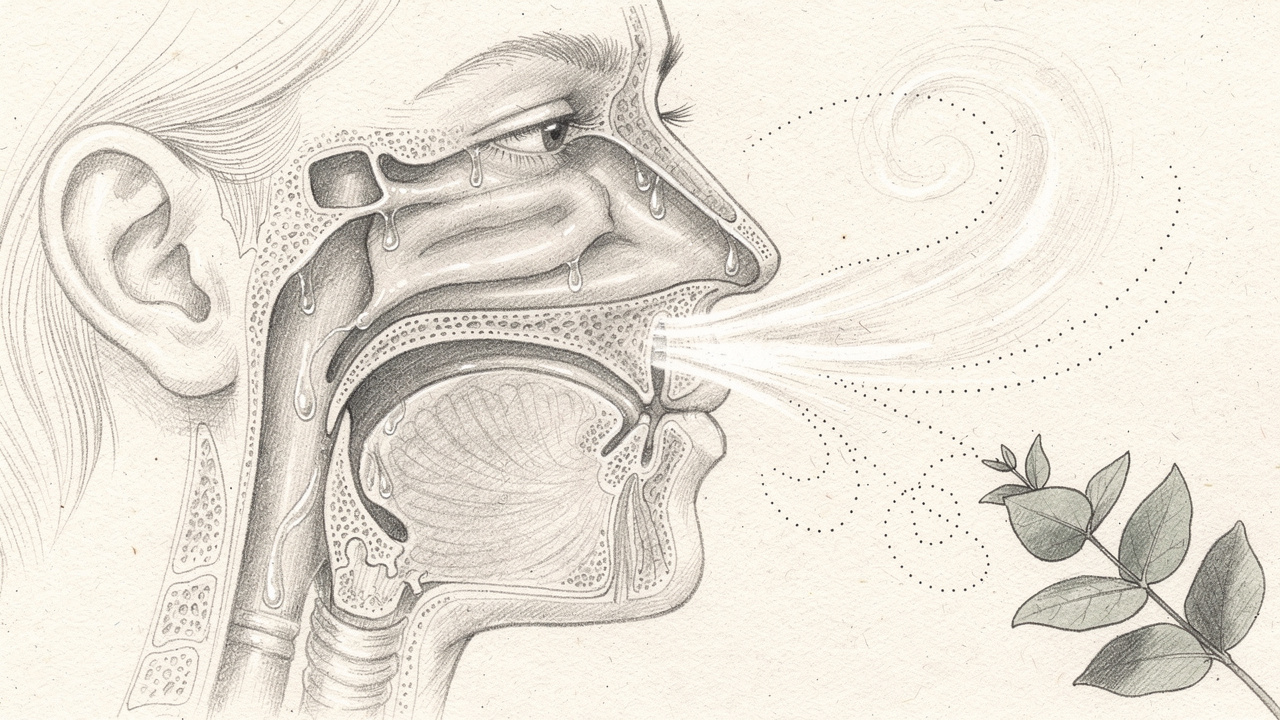
For many Edmonton homeowners, dry winter air and forced heating can make sinuses and lungs miserable. Another major set of health benefits of steam shower use has to do with breathing.
When warm, moist air enters the nose and throat, it starts to thin and loosen mucus. This is why steam shower for sinuses and steam shower for congestion relief are common search terms. Thinner mucus drains more easily from nasal passages and sinus cavities, easing pressure and that “stuffed‑up” feeling that makes it hard to sleep or focus. In this way, steam works as a natural expectorant.
For allergy sufferers, steam can help in two ways:
It can wash pollen, dust, and other airborne irritants from the nasal passages.
The humidity soothes dry, irritated membranes that sting every time someone breathes in cold air.
Many people find that regular steam shower for allergy relief sessions make seasonal flares feel more manageable.
Respiratory therapists often note that “warm, humid air can be a gentle way to soothe dry, irritated airways.”
Those with asthma or bronchitis sometimes notice that moist heat helps relax the bronchial tubes, consistent with findings on the Effect of the steam environment on airway function. When airways open slightly, it takes less effort to breathe in and out. Here, the difference between dry sauna and steam matters again. Dry heat can worsen irritation in sensitive lungs, while the softer, humid environment usually feels easier to tolerate. Steam shower benefits for respiratory health should always be seen as supportive, though, not as a replacement for inhalers or medical care.
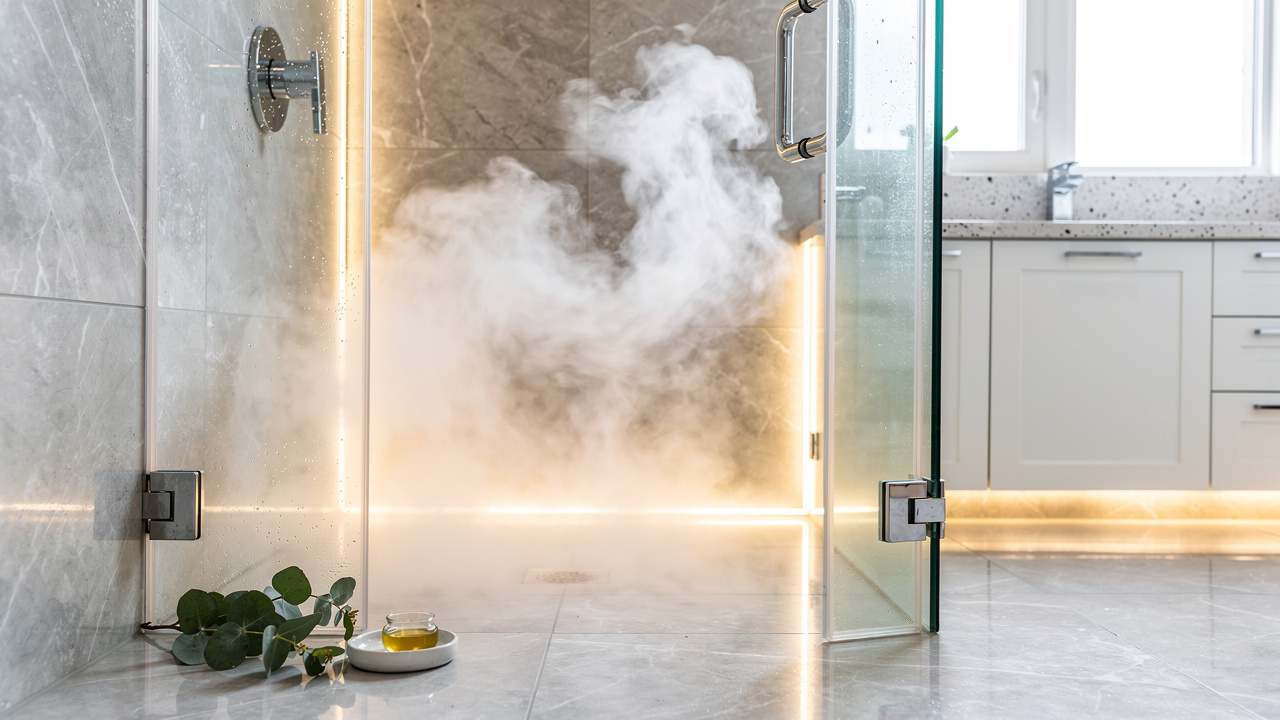
A simple way to deepen respiratory benefits of steam is to add a few drops of eucalyptus oil to the steam head or a small dish inside the enclosure. The vapour carries the oil’s compounds into the airways, which can make the air feel even clearer. For anyone tired of stuffy nights during Alberta winters, regular steam room benefits for lungs can be one of the most noticeable day‑to‑day changes.
Muscle Recovery, Joint Pain Relief, And Cardiovascular Support
Steam Therapy For Sore Muscles And Joint Pain
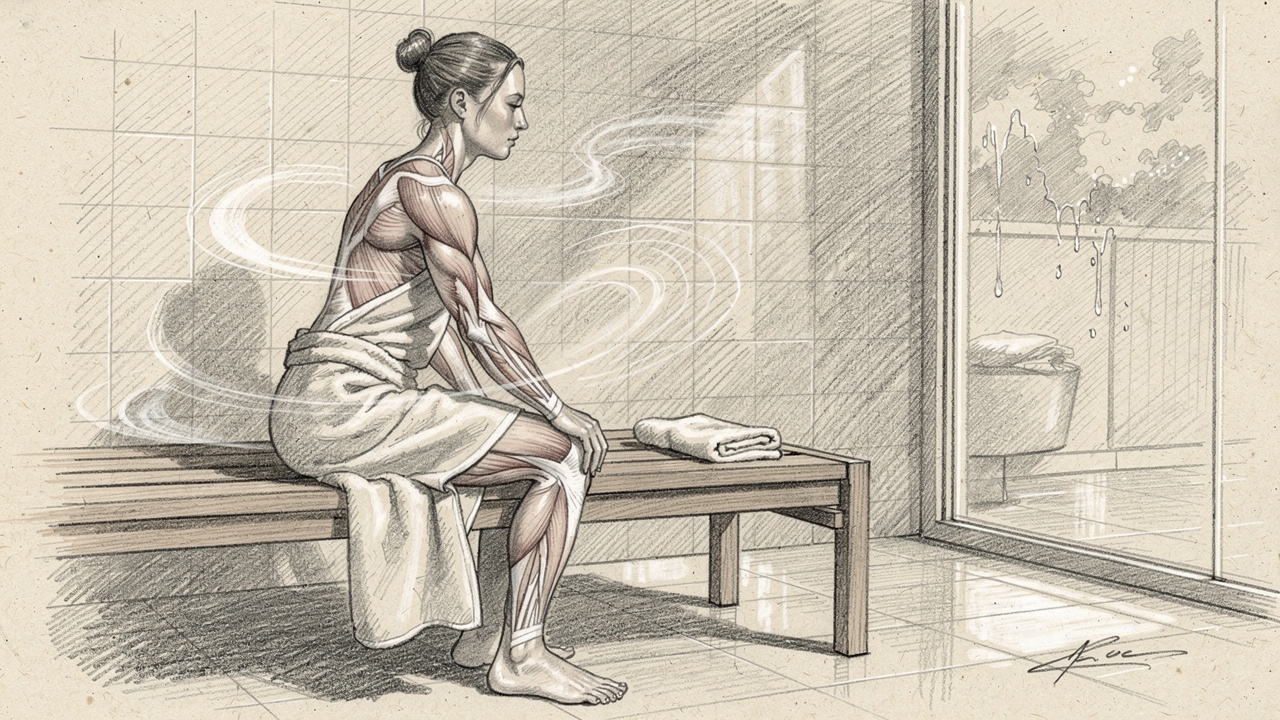
If workouts, long commutes, or years of physical work leave muscles stiff and sore, the health benefits of steam shower sessions can feel very practical. Moist heat penetrates more deeply into muscle tissue than a quick hot shower or heating pad. As muscles warm, fibres relax and knots soften, which eases that tight, achy feeling in the neck, back, and legs.
Improved blood flow is another reason steam room benefits for muscles are so widely praised. When circulation increases, it carries away metabolic waste, such as lactic acid, that builds up after exercise. At the same time, fresh oxygen and nutrients move into tired areas, which helps them feel better sooner. Many people find that a short steam after a run or gym session reduces next‑day stiffness.
As one strength coach likes to say, “You don’t grow stronger while you train; you grow stronger while you recover.”
Steam therapy may also support minor injury recovery by bringing more white blood cells and repair nutrients to small problem spots. For joints, gentle heat can ease stiffness related to arthritis or strain from repetitive work. A steam shower for joint pain will not remove the cause, but it can make movement more comfortable and extend the benefits of stretching and physiotherapy.
Groups who often enjoy these steam therapy benefits include:
Runners, cyclists, and strength‑training enthusiasts
Tradespeople and nurses who spend long hours on their feet
Office workers with tight hips, shoulders, and neck from sitting all day
Cardiovascular Benefits Of Steam Showers
The heart and blood vessels also see helpful changes from regular steam use. As mentioned earlier, heat triggers vasodilation, which widens blood vessels. When this happens, the heart can move blood with less effort, and blood pressure may drop slightly for a short time. This is one of the key steam room cardiovascular benefits that draws interest from doctors and fitness professionals.
In some ways, the cardiovascular response to a steam session is similar to light aerobic exercise. The heart works a bit harder, circulation picks up, and tissues receive more oxygen and nutrients. For people who cannot always do intense workouts, this gentle boost can be a welcome addition to a healthy routine, with guidance from their doctor.
Researchers studying passive heat therapies, including saunas and steam, have reported improvements in some markers of vascular health when sessions are used regularly alongside good lifestyle habits, as outlined in a review of Cardiovascular and Other Health benefits published in Mayo Clinic Proceedings. While this does not replace exercise, it can complement it.
Better circulation also explains that healthy flush many notice after stepping out of the enclosure. Capillaries near the surface of the skin fill with warm, oxygen‑rich blood, which brings colour to the cheeks. While steam therapy is not a medical treatment for heart disease, used wisely, it can support relaxation benefits of steam bath sessions and broader cardiovascular wellness as part of an active lifestyle.
Skin And Detoxification Benefits Of A Steam Shower
Skin health is another big part of the health benefits of steam shower use. A steam session is like a soft, all‑over facial for the entire body.
Warm vapour softens the outer layer of skin and gently opens pores. As the body starts to sweat, trapped sebum, dirt, and bacteria can move to the surface more easily. Rinsing off in the shower then washes these impurities away. Over time, this can mean fewer blackheads and blemishes, and a smoother, clearer look. Many people also notice that skincare products sink in better right after steam, when pores are open and skin is warm.
Steam shower detox benefits are often talked about online, and it is helpful to keep the idea grounded. The liver and kidneys still handle most of the body’s detox work. However, the skin is a major elimination pathway too. When steam prompts a gentle, steady sweat, it allows the skin to do more of its natural job, which supports overall balance without extreme cleanses.
Unlike a dry sauna, a steam shower surrounds the body in humidity. That moisture helps plump skin cells and reduce the appearance of fine lines. Over weeks and months, regular steam shower skin benefits can include better elasticity, softer texture, and a healthy, dewy sheen rather than dullness.
To get the best skin results from steam therapy:
Cleanse your face gently before a steam session to remove makeup and surface dirt.
Rinse with lukewarm water afterward, then apply a simple moisturizer while the skin is still slightly damp.
If you have conditions such as rosacea, eczema, or very sensitive skin, ask a dermatologist how often steam is appropriate for you.
For many people, these small steps add up not just in the mirror but in confidence. Clearer, calmer skin often brings a quiet lift in mood and self‑esteem, tying physical care with mental health in a very real way.
Sleep Improvement And Immune System Support
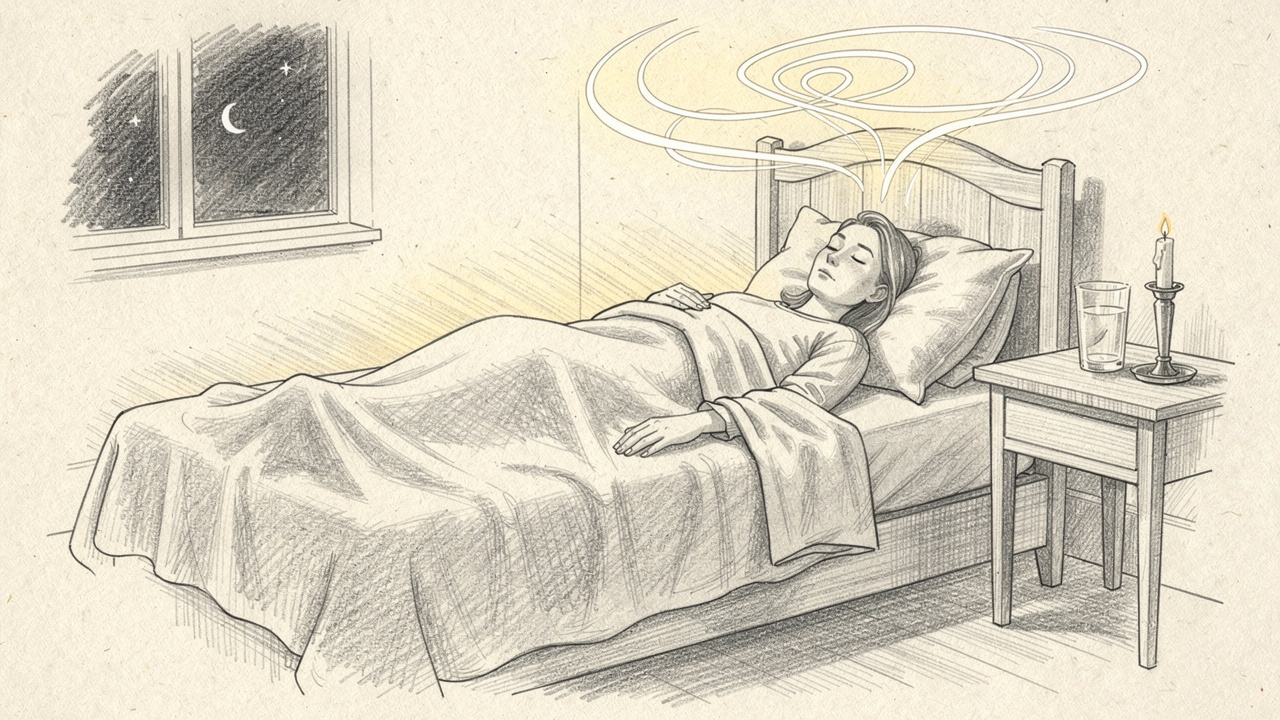
Many people start with stress or sinus issues and stay for the sleep benefits. One of the nicest health benefits of steam shower use is how it can support more restful nights.
A steam session in the evening temporarily raises core body temperature. When you step out and cool down, body temperature drops again. This drop sends a strong “time for sleep” signal to the brain, similar to what naturally happens before bedtime. Combined with lower cortisol levels, looser muscles, and a quieter mind, this makes it easier to drift off. For many, sleep improvement with steam bath use shows up as fewer long, restless nights staring at the ceiling.
Heat therapy is also linked with melatonin, the hormone that helps set the sleep–wake cycle. By helping the body relax more deeply, steam may support natural melatonin patterns, which is especially helpful for shift workers, business owners, or anyone whose schedule often runs late.
A short steam shower for sleep works best as part of a calming routine:
Use steam about one to two hours before bed.
Keep lights low and avoid bright screens afterward.
Pair the session with a book, soft music, or quiet stretching.
Sleep specialists often remind people that “a predictable wind‑down routine is more important than any single gadget.”
On the immune side, mild heat stress from steam therapy can nudge the body to produce heat shock proteins. These are used by immune cells as they repair and respond to threats. At the same time, improved circulation moves white blood cells and lymph fluid more effectively around the body. This is where steam room immune system benefits may show up—not as a shield against every cold, but as one more gentle tool supporting overall defence.
Used a few times a week, especially during cold and flu season, these immune system benefits of steam pair nicely with good sleep, nutrition, and movement as part of a simple, home‑based wellness plan.
Bringing Steam Shower Benefits Home: What To Look For In A Unit
Once the health benefits of steam shower use start to sound appealing, the next question is how to bring them into a real bathroom. For Edmonton‑area homeowners, designers, and contractors, the right unit balances wellness features, layout, and long‑term ease of care.
This is where a focused Canadian specialist like Soak Luxury Bath makes a real difference. Instead of leaving you to sort through random imports or big‑box options, Soak helps match the unit to the actual renovation plan, plumbing, and electrical layout, then stays available with parts and support after the install.
When comparing steam shower Edmonton options, it helps to look at:
The size and shape of your bathroom and where a fully enclosed unit fits best
Generator capacity and build quality for steady steam production
Door seals, ventilation, and exhaust fan placement
Control placement, seating, lighting, and any extra comfort features
Local support for installation questions, parts, and service
A great example is the SR‑89106 Contemporary Series Steam Shower. This corner model works very well in many bathroom renovations where space matters. It delivers soothing steam as the core wellness feature, while dual multi back jets add targeted massage along the spine and shoulders. For anyone who loves steam room benefits for muscles after a workout, those jets feel especially helpful.
Comfort features round out the experience. Built‑in FM radio and Bluetooth audio let you bring in calming playlists or guided meditations, which ties directly into steam room benefits for stress relief. LED lighting sets a relaxing mood, and acrylic stools make it easy to sit comfortably through a longer steam therapy session. A front‑access control panel helps with maintenance, which matters when the goal is years of reliable use rather than a short‑term showpiece.
Homeowners who need a larger, non‑corner layout can look at the SR‑89102, which offers similar features in a different footprint. Pairing a steam shower with a Soak massage bathtub, such as the M702 Royal Series, brings the benefits of hydrotherapy at home into the same space. Steam supports breathing, sleep, and mood, while the tub focuses on deep muscle relaxation. Together, they turn a standard bathroom into a calm, health‑focused retreat the whole household can enjoy.
As one Edmonton contractor puts it, “When a steam unit is planned properly from day one, it runs smoothly and becomes one of the most‑used parts of the home.”
Conclusion
Steam showers are far more than a luxury add‑on. As research and long‑time users both show, the health benefits of steam shower use touch nearly every part of daily life: lower stress, clearer breathing, looser muscles, better circulation, calmer skin, deeper sleep, and steady support for the immune system.
The key difference in 2026 is access. With a home unit, these steam therapy benefits are there on regular weeknights and Sunday mornings, not just on spa days. When the features match real habits—comfortable seating, back jets, lighting, and audio you will actually use—the steam room benefits for stress relief, respiratory comfort, and mental clarity become easy to enjoy again and again.
If a bathroom renovation is on the horizon, it may be the right time to explore how a steam shower from Soak Luxury Bath can fit into the space. The team can walk through models like the SR‑89106 and SR‑89102, discuss hydrotherapy bathtubs, and help match the right setup to your home. With thoughtful planning, your next bathroom can support health and relaxation for many years to come.
FAQs
How Long Should You Stay In A Steam Shower To Get The Health Benefits?
Most healthy adults do well with 10–20 minutes per steam session. If you are new to steam, start closer to 10 minutes and see how the body responds before slowly increasing time. Drink water before you step in and again afterward to replace lost fluids. It is wise not to stay longer than 20 minutes at once, so you avoid dizziness or dehydration. Many people notice wellness changes with three or four sessions per week.
Is A Steam Shower Good For You Every Day?
Daily steam shower use can be fine for many healthy adults, as long as sessions stay in the 10–20 minute range and hydration stays a priority. People with heart concerns, very low blood pressure, or anyone who is pregnant should speak with a doctor before starting regular steam therapy. Some users prefer to alternate steam days with rest days, which gives the skin and circulatory system time to settle between sessions.
What Is The Difference Between A Steam Shower And A Sauna?
A sauna uses very hot, dry air, usually between 70 and 100°C, with low humidity. A steam shower runs at a lower temperature, around 43–46°C, but with very high humidity. That moist heat is gentler on the airways and helps hydrate the skin, while dry heat can feel harsh or drying for some people. For stress relief and circulation, both are helpful, but steam rooms often give better results for sinuses, lungs, and skin moisture.
Can A Steam Shower Help With Sinus Problems And Congestion?
Yes, many people turn to a steam shower for congestion relief because warm, moist air is a classic home remedy for sinus pressure. The steam thins mucus and helps it drain from the nose and sinus cavities, which eases pressure and makes breathing more comfortable. Adding a bit of eucalyptus oil can make the air feel even clearer. This is especially comforting during Alberta’s cold, dry winters. For ongoing or severe sinus issues, medical guidance is still important.
Do Steam Showers Help You Sleep Better?
For many users, the answer is yes. A warm steam shower relaxes muscles, calms the nervous system, and then allows body temperature to drop afterward, which signals the brain that it is time to sleep. Lower cortisol and possible support for melatonin production also help set a healthy sleep rhythm. For best results, use the steam shower about one to two hours before bed as part of a steady evening routine, along with dim lighting and screen‑free time.