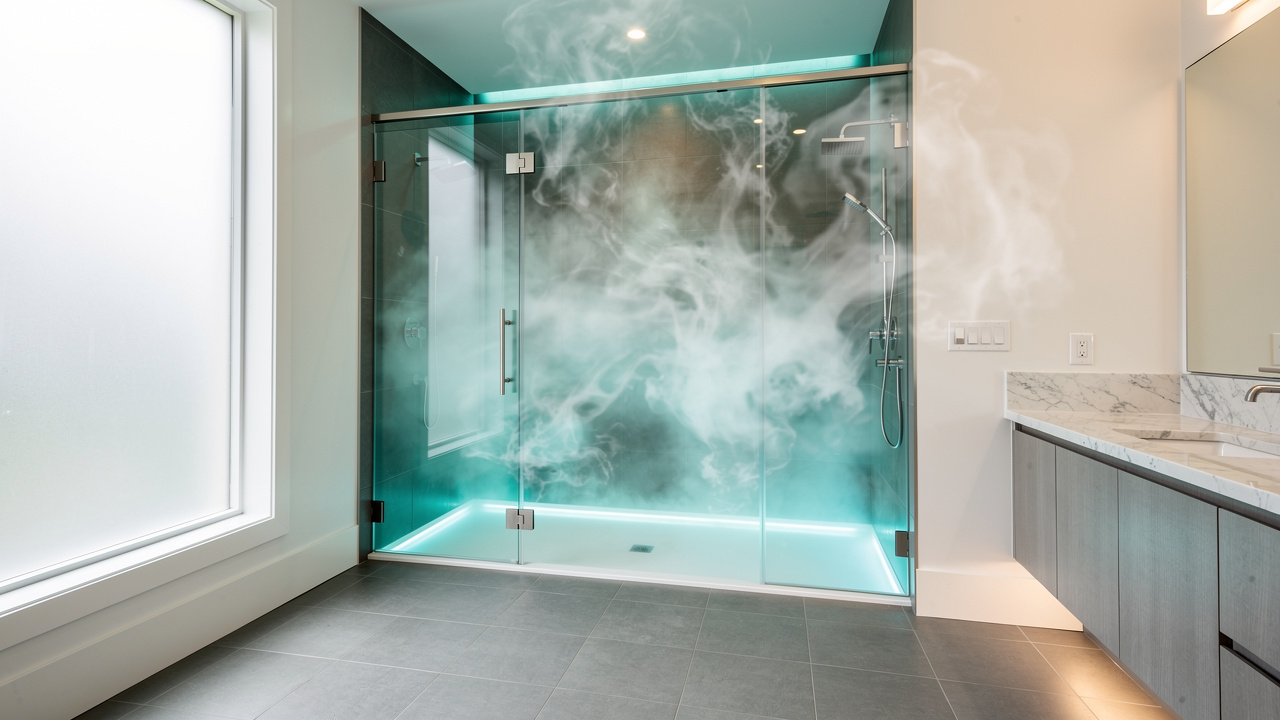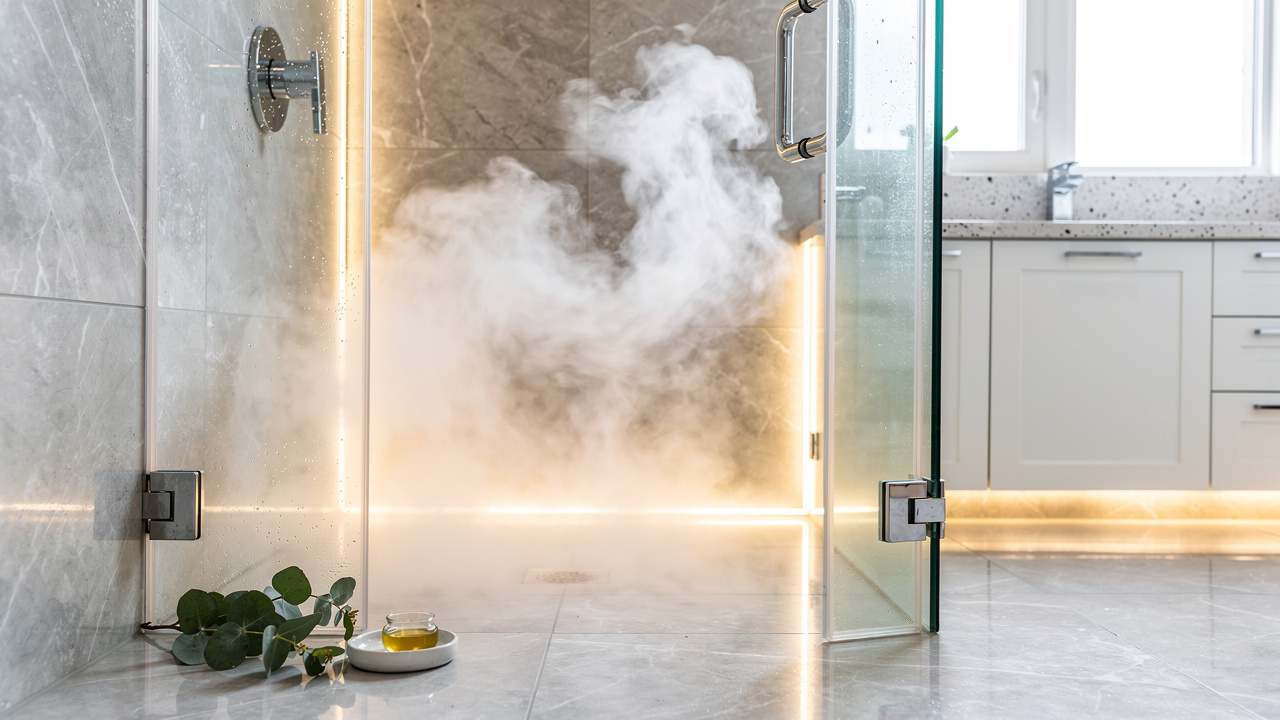


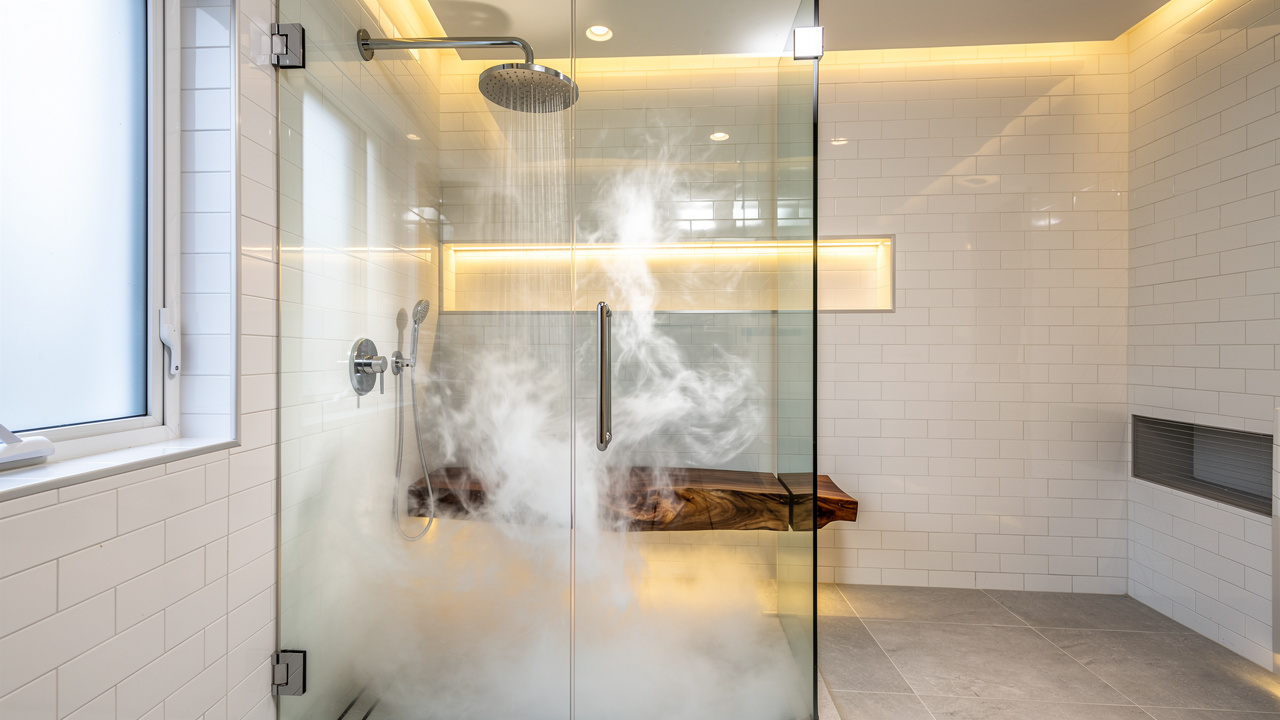
After a long day or a tough workout, stepping into a steam shower can feel like pressing a reset button. Warm mist loosens tight muscles, breathing comes easier, and the heart settles into a calm, steady rhythm. That soothing wave is not just a spa luxury, it is a measurable physical response. Research published in the Journal of Human Hypertension found that a single 15-minute heat therapy session can reduce systolic blood pressure by an average of 5 to 10 mmHg in healthy adults.
When the body meets gentle heat, it works to keep core temperature in a safe range. This is often called passive heat therapy because the heart and blood vessels do more work while the rest of the body stays still. Blood vessels widen, blood moves faster, and heart rate rises in a way that is similar to light exercise. Studies show that passive heat exposure can raise heart rate by approximately 30 to 60 percent, comparable to a moderate-intensity walk. The result is better blood flow without lacing up running shoes.
Steam showers were once something most people only expected in high‑end spas or gyms. Now they are showing up more often in home renovations, especially for homeowners in Canada who value comfort and wellness during long winters. For many, a home steam shower is no longer just about style; it is about daily recovery, stress relief, and long‑term health.
This guide walks through how steam therapy improves circulation, what that means for cardiovascular health, and how to use a home steam shower safely. It also looks at everyday benefits such as muscle recovery and joint relief. For anyone planning a renovation or building a new place, it shows how a steam shower can fit into a broader wellness plan at home.
“Think of a steam shower as a quiet workout for your blood vessels.”
Key Takeaways
Steam showers are relaxing, but there is a lot happening under the surface. Before going deeper, it helps to see the main ideas in one place.
Steam therapy and vasodilation: Steam therapy widens blood vessels, a process called vasodilation, which sits at the heart of better circulation. As vessels open, blood can move with less resistance, and the heart does not have to push as hard. Each session brings more oxygen and nutrients to muscles, organs, and skin.
Passive cardio effect: Regular steam use acts like gentle cardio and can support long‑term heart health when paired with an active lifestyle. Core temperature rises slightly, heart rate climbs a little, and circulation improves in a way that resembles a light workout. Over time, this repeated response may help vessels stay more flexible.
Multi‑sensory home experience: Multi‑sensory steam showers from Soak Luxury Bath combine heat, aromatherapy, and chromatherapy in one enclosed space at home. Soft lighting, essential oils, and calm music can help the nervous system switch into rest mode. Lower stress means less strain on the heart and better use of the circulatory boost from each session.
Simple starting routine: A realistic starting routine for most healthy adults is about fifteen to twenty minutes in the steam, two to four times per week. Sessions do not need to be very long to be helpful, but they do need to be steady over time. Listening to the body and staying within a comfortable range matters more than pushing for extra minutes.
Medical guidance when needed: Anyone with a heart condition, blood pressure concerns, or other medical issues should speak with a healthcare provider before adding steam therapy. A short appointment can confirm what settings and session lengths are safe. That way, steam becomes a smart part of a care plan instead of a risky guess.
H2 1 – How Steam Therapy Improves Circulation – The Science Of Vasodilation
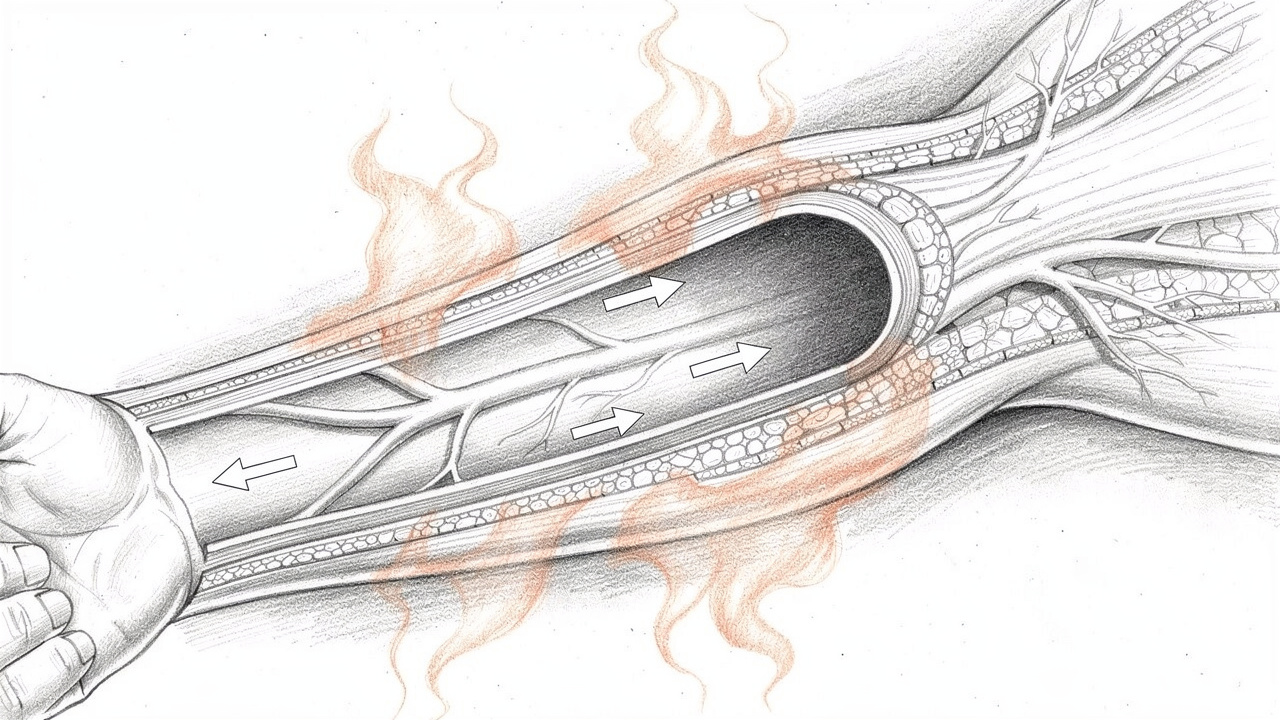
To understand how steam therapy supports circulation, it helps to start with a simple idea: the body works hard to hold core temperature steady. When someone steps into a steam shower, the warm, moist air tells the brain that cooling is needed. The brain then calls on the circulatory system to move more blood toward the skin so extra heat can leave the body. Skin blood flow can increase by as much as 50 to 70 percent during a typical steam session, according to thermoregulation research published in Experimental Physiology.
The main move the body makes is called vasodilation. The smooth muscles in the walls of arteries and smaller vessels relax, and those vessels open wider—like a narrow pipe that suddenly gets a size upgrade. A wider pipe lets more water pass through with less pressure, and blood vessels behave in the same way.
This widening has several important effects on circulation:
More blood moves through the system every minute, so muscles, organs, fingers, and toes get a stronger supply.
Resistance inside the vessels drops, so the heart does not have to push as hard to move blood forward.
Freer‑flowing blood carries more oxygen and nutrients and removes waste more efficiently, helping cells repair and produce energy.
There is also a powerful chemical helper in the background: nitric oxide. The inner lining of blood vessels, known as the endothelium, releases nitric oxide when it senses heat and increased blood flow. This chemical tells the surrounding vessel walls to relax even more, which supports wider vessels and smoother circulation. With regular steam sessions, the endothelium gets repeated practice at this job, which may help blood vessels stay responsive over time. Some studies indicate that endothelial nitric oxide production can increase by up to 20 percent after repeated heat exposure over a 6-week period.
Moist heat plays a special role compared with dry heat. Water vapour holds and transfers warmth more effectively than dry air, so the body warms up more quickly and evenly in a steam shower. Many people also find the humidity gentler on their skin and airways, which makes it easier to enjoy a full session. For homeowners who install steam at home, each use can create a strong yet comfortable circulatory response without leaving the house.
H2 2 – Long-Term Cardiovascular Benefits Of Regular Steam Sessions
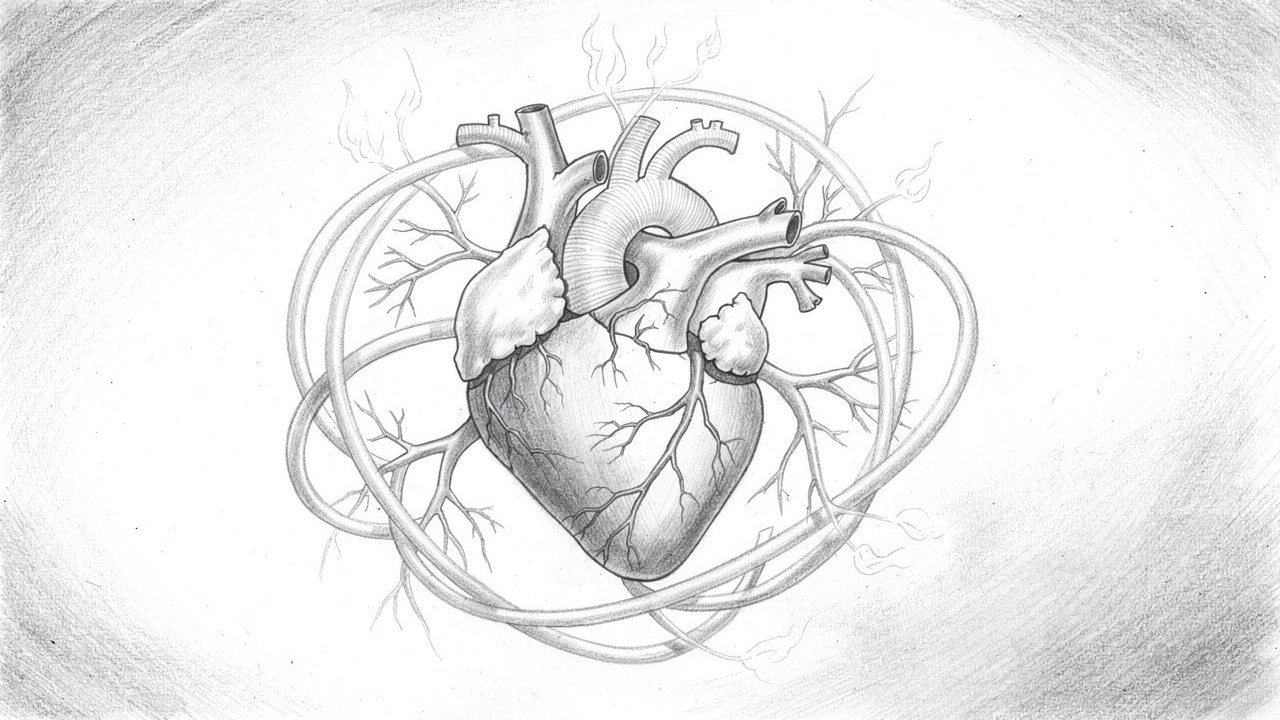
The first time someone steps into a steam shower, the effect on circulation is mostly short term: the heart beats a bit faster, vessels widen, and blood moves more quickly. With steady use, though, the circulatory system can gain longer‑lasting benefits. Steam sessions act as regular passive heat exposure, asking the heart and vessels to respond in a way that resembles a brisk walk. A landmark Finnish study tracking over 2,300 men found that those who used a sauna 4 to 7 times per week had a 63 percent lower risk of sudden cardiac death compared to those who used it only once per week.
Blood pressure is one key area where this kind of heat may help. When vessels open up, resistance against blood flow drops, which can lower both the top and bottom numbers on a reading. Many people notice their pressure is slightly lower right after a session. Over time, repeated vasodilation may support better baseline readings because the arteries keep practising how to relax and remain elastic. Clinical observations suggest that regular heat therapy can contribute to reductions of 4 to 7 mmHg in resting diastolic blood pressure over a 3-month period.
These changes link back to endothelial function, a quiet but important part of cardiovascular health. The endothelium, though only one cell thick, helps decide when vessels tighten and when they relax. Regular steam use encourages this lining to keep producing nitric oxide and to respond quickly to heat and shifts in blood flow. Healthier endothelial function is associated with less stiffness in the arteries and a lower chance of plaque build‑up.
Stress also plays a large part in heart health, especially for busy professionals and homeowners juggling work, family, and renovation projects. The enclosed warmth of a steam shower—especially with dim lighting and calm sound—can lower stress hormones and help the nervous system settle. Research has shown that cortisol levels can drop by approximately 15 to 25 percent following a single 20-minute heat therapy session. Less chronic stress means less constant strain on the heart. Steam therapy should not replace exercise, healthy eating, or medical care, but it can be a steady, calming support in a heart‑friendly routine.
“Consistency beats intensity when it comes to heat therapy. A few calm sessions each week usually do more for your heart than rare, very hot marathons.”
H2 3 – Muscle Recovery, Joint Relief, And Everyday Wellness
Circulation is not only about numbers on a blood pressure cuff; it also shows up in how the body feels. After a run, a gym session, or a long day on the job, muscles are often full of tiny tears and waste products. When steam widens blood vessels, more oxygen and nutrients get to those muscles, while waste is carried away faster. Many people notice less heaviness in their legs and easier movement the next morning.
Delayed onset muscle soreness—the ache that peaks a day or two after exercise—is tied to inflammation and a build‑up of by‑products such as lactic acid. A short steam session after activity encourages faster circulation, which can help flush those by‑products and calm some of the inflammation. Studies suggest that post-exercise heat therapy can reduce perceived muscle soreness scores by up to 30 percent compared to passive rest alone. The result is often less stiffness and a smoother return to regular movement or training.
Joints also respond well to improved circulation and gentle heat. For someone living with arthritis, old sports injuries, or general age‑related stiffness, the warmth of steam can be especially welcome. Heat helps the thick fluid inside joints move more freely and relaxes the muscles and ligaments around them. A fifteen‑minute steam session in the morning can make it easier to bend, climb stairs, or get out the door without feeling as stiff. Approximately 6 million Canadians live with arthritis, making joint-friendly therapies like steam heat especially relevant for a large portion of homeowners considering bathroom wellness upgrades.
Skin health is another visible benefit of better blood flow. Steam boosts circulation to tiny vessels just under the skin, bringing oxygen and nutrients to surface cells. At the same time, warmth opens pores and encourages sweat, which helps remove trapped oil and debris. Many home steam users notice a healthy glow and softer skin as a side benefit, along with better sleep when they pair an evening steam with quiet time before bed.
H2 4 – How To Get The Most From Your Home Steam Shower
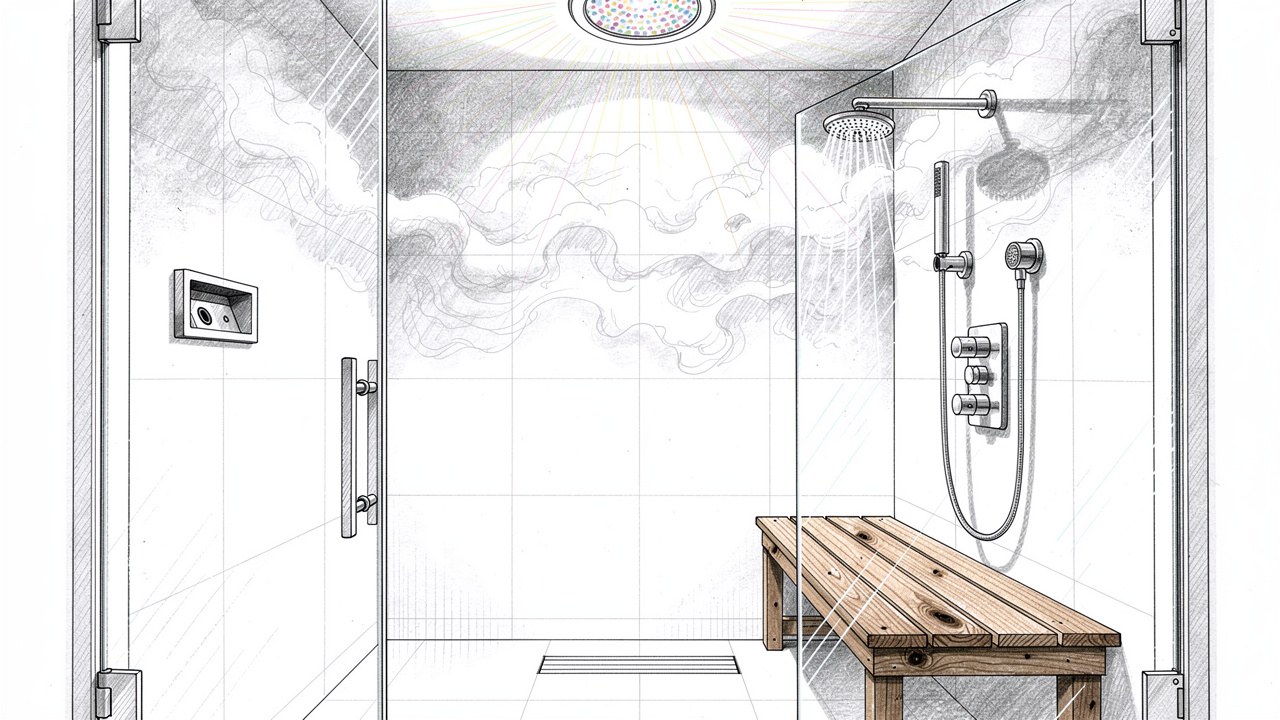
Installing a home steam shower turns an ordinary bathroom into a calm, restorative space. To gain real circulatory and cardiovascular benefits, though, it pays to use it thoughtfully. That means paying attention to session length, temperature, and comfort—and choosing equipment that is reliable and simple to use during a renovation or bathroom upgrade. Industry surveys indicate that homeowners who install a dedicated steam shower report using it an average of 3 to 4 times per week, suggesting that accessibility at home drives consistent use.
“Short, regular sessions do more for your heart than an occasional all‑out effort in the steam.”
Session length: New users can begin with around ten to fifteen minutes, then add time gradually as their body gets used to the heat. For most people, twenty minutes is enough to warm the body and boost circulation. Very long stays do not add much benefit and can increase the chance of feeling light‑headed or dehydrated.
Temperature control: Many people find that a range around forty‑three to forty‑six degrees Celsius feels warm, soothing, and easy to breathe in. Soak Luxury Bath steam shower units use built‑in generators that bring the cabin up to this range quickly and hold it steady. Consistent temperature lets the body relax instead of coping with sudden spikes of heat.
Frequency of use: Frequency makes more difference than chasing very intense sessions once in a while. For most healthy adults, two to four steam sessions each week is a realistic and helpful target. This rhythm gives the circulatory system repeated practice at opening vessels and raising heart rate in a gentle way.
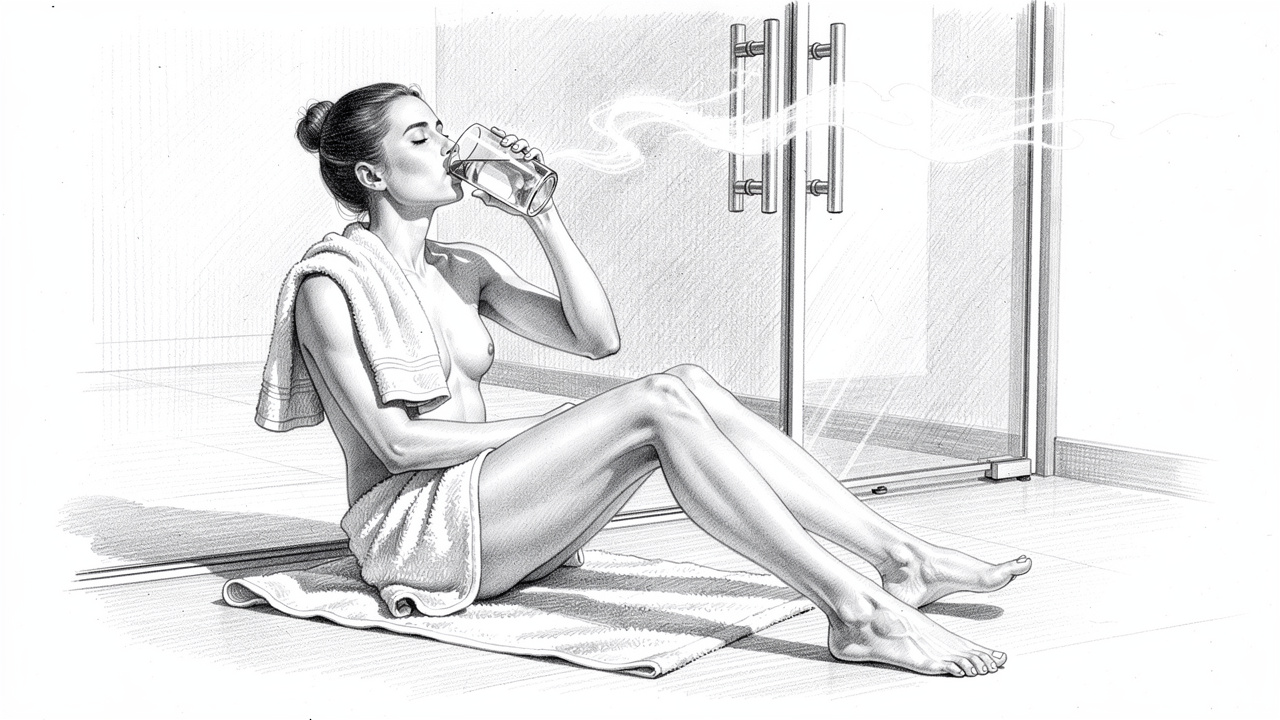
Hydration habits: Hydration is easy to overlook, yet it matters a great deal when sweating in a steam cabin. The average person can lose between 0.5 and 1 litre of fluid during a 20-minute steam session, so drinking water before stepping in gives the body a head start on what it is about to lose. Keeping a glass or bottle nearby and sipping between breaks helps prevent headaches and fatigue, and a drink afterward brings fluid levels back toward normal.
Multi‑sensory extras: Small touches inside a Soak Luxury Bath unit can deepen the relaxing effect of steam. Aromatherapy ports make it simple to add a few drops of eucalyptus for clear breathing or lavender to support a calmer mood. Chromatherapy lighting lets homeowners choose soft colours that match how they want to feel, whether peaceful or refreshed.
How sessions end: How a session ends matters as much as how it begins. Many people like to finish with a brief cool shower, which closes pores and gently encourages vessels to tighten again. Steam should be skipped after heavy drinking or a large meal, since both can strain the heart and increase the chance of feeling faint. If dizziness, nausea, or chest discomfort appears, it is important to step out right away, sit down, and sip water while things settle.
Soak Luxury Bath focuses on complete steam shower units with bench seating, clear glass touch controls, and Canadian‑based parts and service. For homeowners in Edmonton and across Canada, that means help choosing the right model during planning, guidance during rough‑in, and real support if questions come up years later. With the right set‑up and habits, a home steam shower can be a steady part of a long-term wellness plan.
Conclusion
Steam therapy improves circulation by warming the body and triggering vasodilation, which lets blood move more freely with less strain on the heart. Regular sessions act like gentle cardio, support healthier blood pressure, and bring clear benefits for sore muscles, stiff joints, and tired skin. Used with care, a steam shower can turn daily bathing into a quiet moment of recovery.
These benefits build over time, which is why many homeowners see a steam shower as a long‑term wellness investment rather than a simple bathroom upgrade. Anyone with heart disease, blood pressure concerns, or other health issues should check with a healthcare provider before starting a regular routine. For those ready to explore this kind of comfort at home, Soak Luxury Bath offers complete steam shower units and friendly Canadian guidance to help choose the right fit for a new build or renovation.
FAQs
Question 1 – How Long Does It Take To See Circulatory Benefits From Steam Therapy?
Changes in circulation start during the very first steam session, as blood vessels widen and heart rate rises slightly. Many people feel looser muscles, warmer hands and feet, and a calmer mind right away. Longer‑term shifts—such as better recovery and easier movement in the morning—usually show up after a few weeks of steady use. Most users report noticeable improvements in muscle recovery and morning stiffness within 3 to 4 weeks of consistent sessions. A pattern of several sessions each week tends to give the clearest results.
Question 2 – Is Steam Therapy Safe For People With High Blood Pressure?
Steam therapy can help lower blood pressure for some people, but extra heat and shifting pressure need careful handling. Anyone with high or low blood pressure, heart disease, or a history of heart events should speak with a doctor before using a steam shower. If a doctor gives the green light, it is wise to start with lower temperatures and short sessions of around ten to twelve minutes. Prescribed medicine and medical advice should never be changed or stopped based on steam use alone.
Question 3 – How Is A Steam Shower Different From A Sauna For Circulation Benefits?
Both steam showers and saunas use heat to boost circulation, but they feel and work a bit differently. A steam shower uses moist air with very high humidity, which transfers warmth to the body more quickly and often feels gentler on the skin and airways. Many people find this makes it easier to stay in long enough to gain full circulatory benefits. Steam showers from Soak Luxury Bath also fit neatly into a standard bathroom, making regular heat therapy more accessible at home than a separate wood‑lined sauna.