

Picture this: a homeowner in Edmonton is planning a bathroom renovation, scrolling through fixtures and finishes, and keeps coming back to one big question: is a steam shower really worth it, or is it just spa marketing dressed up as wellness?
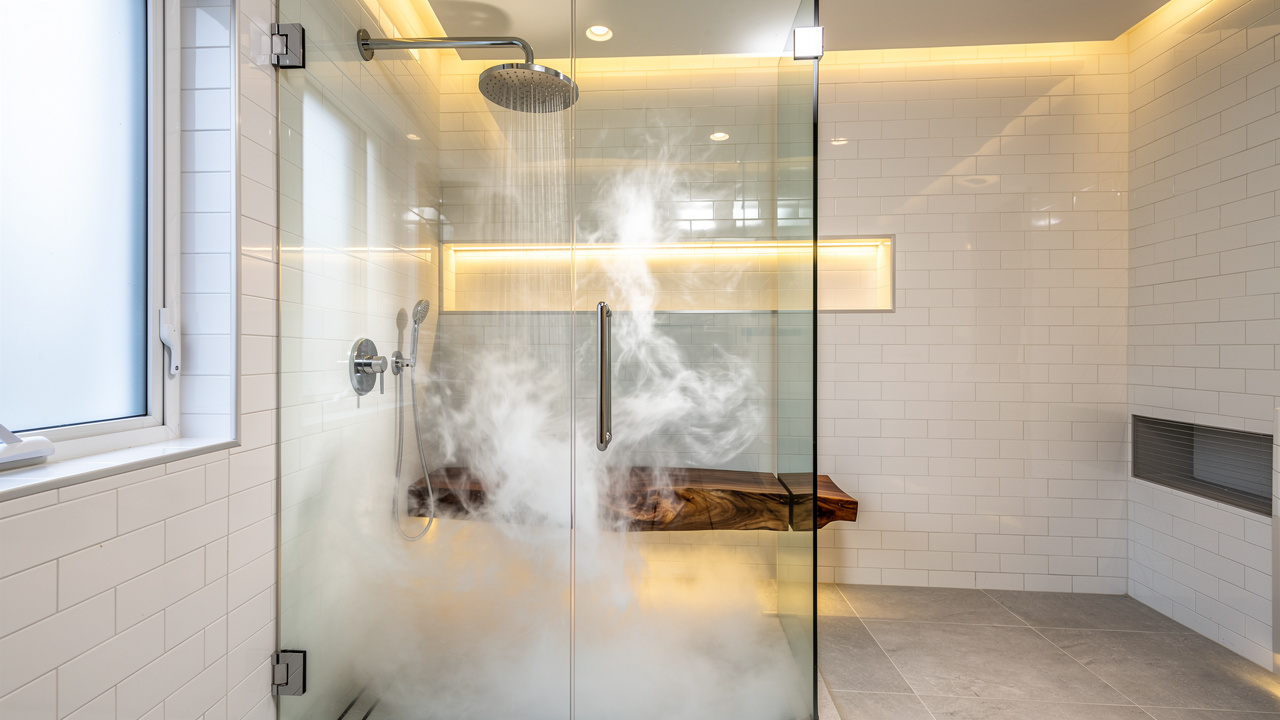
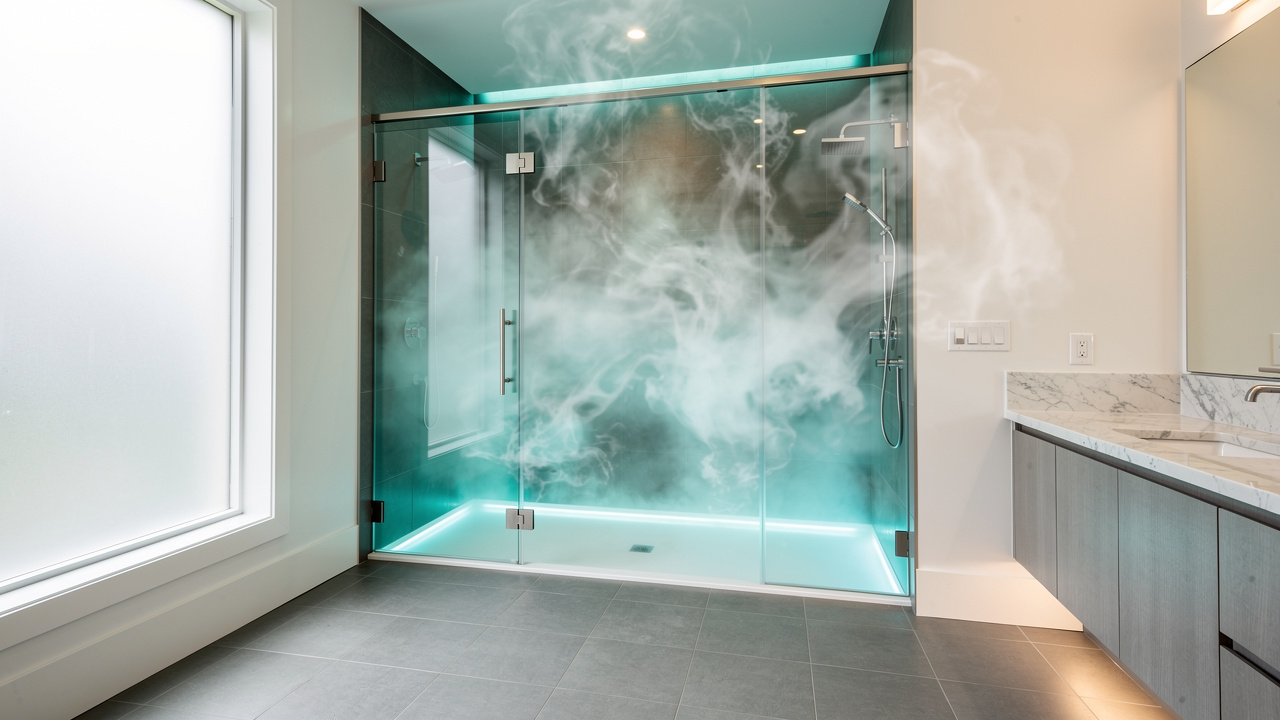
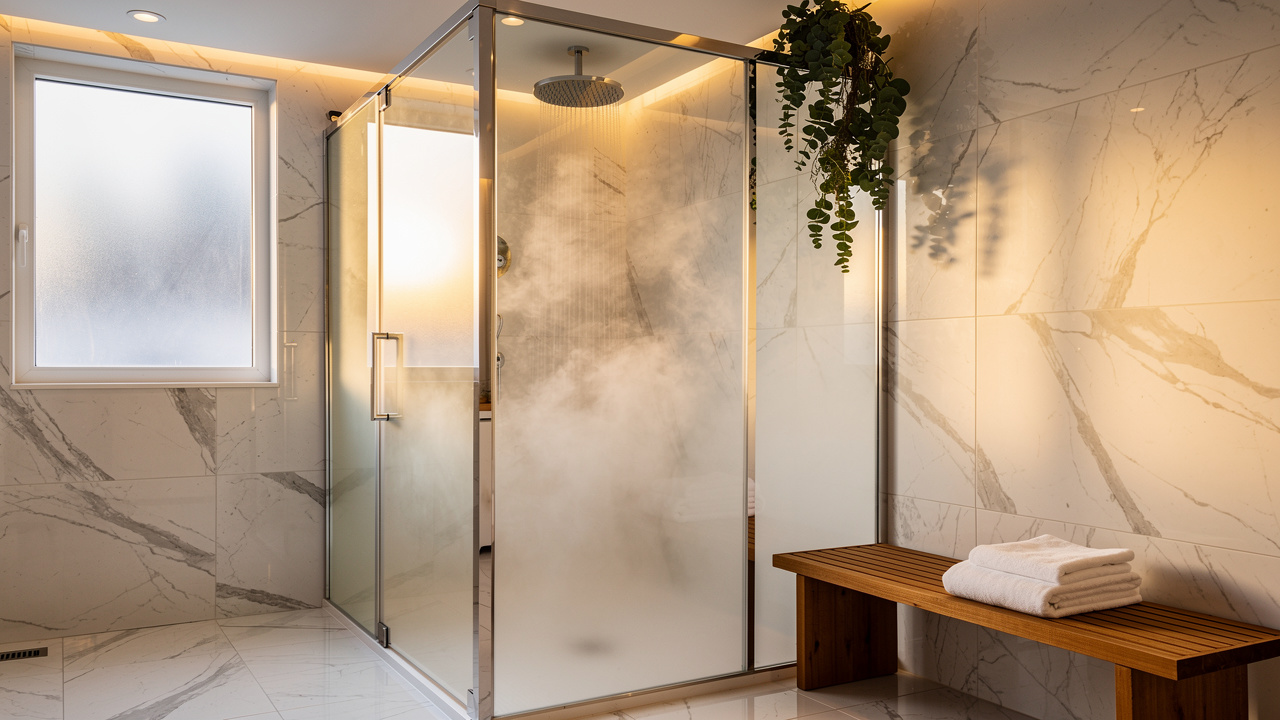
A modern steam shower is more than a fancy showerhead. It is a fully enclosed shower with a built‑in steam generator that heats water to create warm vapour at roughly 43–46°C with close to 100% humidity. In a few minutes, the enclosure fills with soft steam that feels very different from a regular hot shower or a dry sauna.
Steam therapy goes back centuries, from Roman baths to Turkish hammams. What has changed is the research. As of 2026, there is a growing body of science showing real steam shower benefits & wellness effects, especially for circulation, breathing, muscle recovery, skin health, and stress.
This article walks through those steam shower health benefits in plain language. It explains what the research says, where steam helps most, and where it is simply one helpful part of a healthy lifestyle. It also shows how Soak Luxury Bath brings these effects into Canadian homes with complete steam shower systems backed by local service, so readers can make a calm, informed decision about their renovation.
Key Takeaways
Deeper Cleansing And Skin Hydration: Steam showers surround the body in moist heat, which raises skin hydration and opens pores. This supports deeper cleansing than regular showering and sets the stage for healthier‑looking skin over time.
Circulation And Heart Support: Sustained warmth triggers vasodilation, where blood vessels widen and circulation improves. This “passive cardio” effect supports heart health, helps tired muscles recover, and may contribute to short‑term drops in blood pressure.
Respiratory Comfort And Better Sleep: Warm, humid air soothes nasal passages and sinuses, easing congestion and breathing. At the same time, heat exposure lowers cortisol, encourages endorphin release, and supports better sleep, especially when used before bed.
Tip: Think of a steam shower as a small, consistent habit for whole‑body wellness rather than a one‑time spa treat.
What The Science Says About Steam Shower Health Benefits

A steam shower is a form of passive heat therapy. That means the body responds to the steady warmth in a similar way to light exercise, even though the person is simply sitting or standing. Core temperature rises slightly, heart rate goes up, and the nervous system starts to relax. This mix of effects underpins many steam therapy wellness benefits.
One of the key mechanisms is vasodilation. When the body warms up, blood vessels widen. Wider vessels move blood more easily, which means more oxygen and nutrients reach muscles, skin, and organs. This same response is why many studies on saunas and wet steam environments report improvements in markers related to cardiovascular health, recovery, and general comfort. Research on steam room benefits for skin, circulation, and breathing continues to grow, and many reviews group these findings under passive heat or sauna‑style bathing research.
Moist heat also sets steam showers apart from dry saunas:
A traditional sauna runs much hotter, often 70–100°C, but with very low humidity.
A steam shower runs at a lower temperature, yet with nearly 100% humidity.
For many people, especially those with sensitive airways, the gentler temperature and high moisture feel easier to breathe and more relaxing. This difference is at the heart of many steam shower vs sauna benefits comparisons.
Because the air is saturated with moisture, the skin surface stays damp instead of drying out. That is why steam bath benefits for body and face often include better skin hydration and softer texture. At the same time, the warm air acts as a natural inhalation treatment, supporting the upper respiratory tract without harsh heat.
It is important to keep expectations grounded. The science of steam therapy points to helpful changes in circulation, muscle comfort, breathing, stress levels, and skin appearance. Steam is not a cure or a replacement for medical care. Instead, a home steam shower is best seen as a complementary practice that fits into a broader routine of movement, sleep, and healthy habits.
Tip: If you are under medical care for heart, blood pressure, or lung conditions, talk with your clinician before adding regular steam sessions.
Physical Benefits: Circulation, Muscle Recovery, And Respiratory Health
Many homeowners start researching steam showers after hearing about circulation support or faster recovery after exercise. These physical effects link back to how the heart, blood vessels, and lungs respond to warm, humid air.
Circulation And Heart Health
From a heart and circulation perspective, the moist heat in a steam enclosure encourages vasodilation. When vessels widen, blood can flow with less resistance. This helps deliver oxygen and nutrients to working muscles and organs and also helps remove waste products more efficiently. Studies looking at steam room cardiovascular health often describe this as a mild “passive workout” for the heart, since heart rate rises in a similar way to easy walking.
As circulation improves, people may notice:
Warmer hands and feet
A gentle flushing or healthy colour in the skin
A sense of lightness or relaxation after sitting for long periods
This same effect supports steam room circulation benefits that interest many mid‑life homeowners: temporary drops in blood pressure, improved comfort after long hours at a desk, and less stiffness after sitting.
Some people also ask about steam room weight loss benefits. Any calorie burn from passive heat is modest, so steam should not replace activity or nutrition changes, but it can work alongside a healthy routine by helping the body feel ready to move and making warm‑up or stretching more comfortable.
Muscle Recovery And Joint Comfort
Steam showers also support muscle recovery and joint comfort. After a workout, muscles hold microscopic damage and lactic acid. Warmth increases blood flow through those tissues and helps wash out metabolic waste. This is the basis of many steam shower muscle recovery claims, and a lot of people find a short steam after exercise reduces delayed onset muscle soreness and stiffness the next morning.
The same warmth softens connective tissue around joints. When ligaments and tendons feel less tight, range of motion improves and everyday movements feel easier. For people living with arthritis or long‑term joint pain, moist heat can be more comfortable than dry heat. This is why many homeowners use their steam shower for joint pain relief, often before stretching or gentle movement.
Respiratory Health And Breathing Comfort
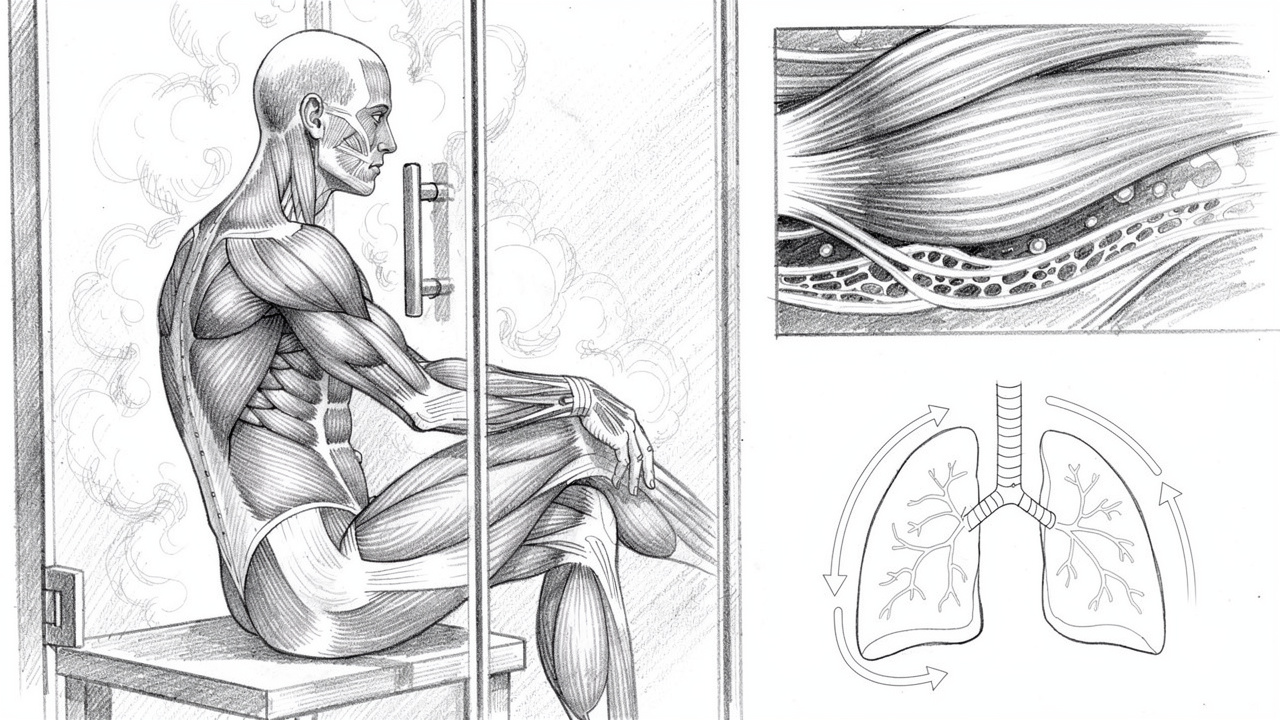
Respiratory comfort is another major draw. Warm, humid air acts as a natural decongestant. It helps loosen mucus in the nose and sinuses, so it can drain more easily, and it soothes irritated throat tissue. Many families notice steam room respiratory benefits during cold and allergy seasons.
For those with mild bronchial irritation, steam therapy for breathing can make inhalation feel smoother for a while after stepping out. People with asthma or heart conditions should always follow their doctor’s guidance, but for many healthy adults, a home steam session offers gentle, noticeable relief.
Tip: Sit rather than stand during a steam session if you feel short of breath, and step out right away if you become light‑headed.
Skin Health And Stress Relief: Two More Reasons Canadians Are Adding Steam Showers
Alongside physical recovery, many Canadians are interested in how steam fits into skin care and stress management, especially with long, dry winters and busy work schedules.
Skin Health, Detox Support, And Hydration
On the skin side, warm steam softens the outer layer of the skin and helps pores open. When pores relax, trapped sebum, dirt, sunscreen, and makeup loosen and rinse away more easily. This is why steam room benefits for skin often include:
Fewer blackheads and clogged pores
A smoother texture over time
A fresher, brighter look after consistent use
Regular sessions support the body’s natural detox process through sweating, so steam shower detox benefits show up as a clearer, more even complexion rather than a dramatic overnight change.
High humidity also supports steam shower skin hydration. Unlike a dry sauna, which can strip moisture, a steam enclosure keeps the air saturated with vapour. Skin cells take up water and appear plumper, which softens the look of fine lines and brings a fresh glow. When circulation increases, more nutrient‑rich blood reaches the surface, which may help maintain elasticity. Many people like to apply moisturiser or a gentle serum right after steaming, since the skin absorbs products more readily at that point.
These steam bath benefits for body and face may also play a small part in supporting the immune system. Better sleep, lower stress, and steady circulation are linked in research to steam room immune system boost markers, such as improved recovery from day‑to‑day fatigue. Steam is only one part of that bigger picture, but it can be a pleasant way to support it.
Stress Relief, Mood, And Sleep
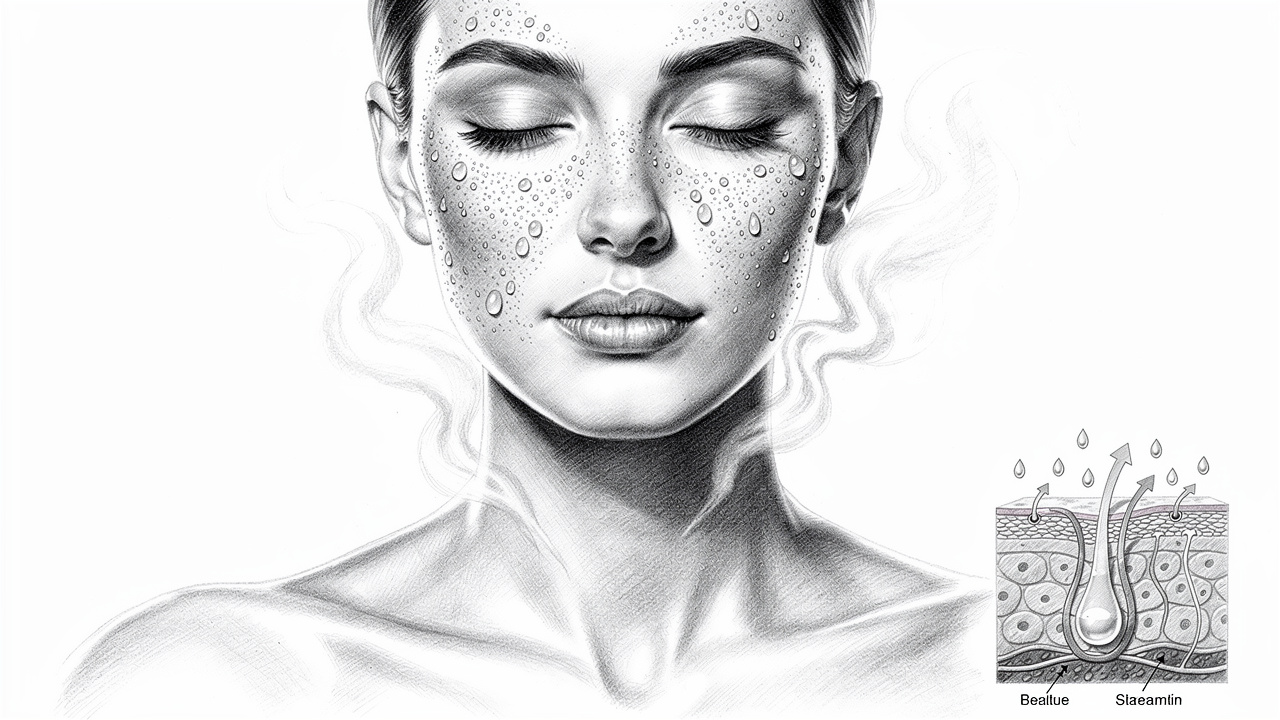
On the mental health side, steam shower stress relief is one of the most appreciated day‑to‑day benefits. The steady warmth, quiet enclosure, and escape from screens give the nervous system a clear signal that it is safe to relax. Studies on heat therapy show lower cortisol levels after sessions and higher levels of endorphins, the body’s natural feel‑good chemicals. Many people describe a calmer mood and less anxiety after even 10–15 minutes.
The enclosed shower also acts as a small, private retreat. People often use this time for slow breathing, quiet reflection, or soft music, which lines up well with steam room mental health benefits found in research on mindfulness and rest. Used in the evening, a steam session raises core body temperature and then allows it to drop afterward. That cooling phase tells the brain that bedtime is near, helping with faster sleep onset and deeper rest through the night.
“Take care of your body. It’s the only place you have to live.”
— Jim Rohn
A home steam shower makes that kind of regular, simple self‑care easier to maintain, especially for people who struggle to set aside time for full spa visits.
How Soak Luxury Bath Brings These Benefits Home
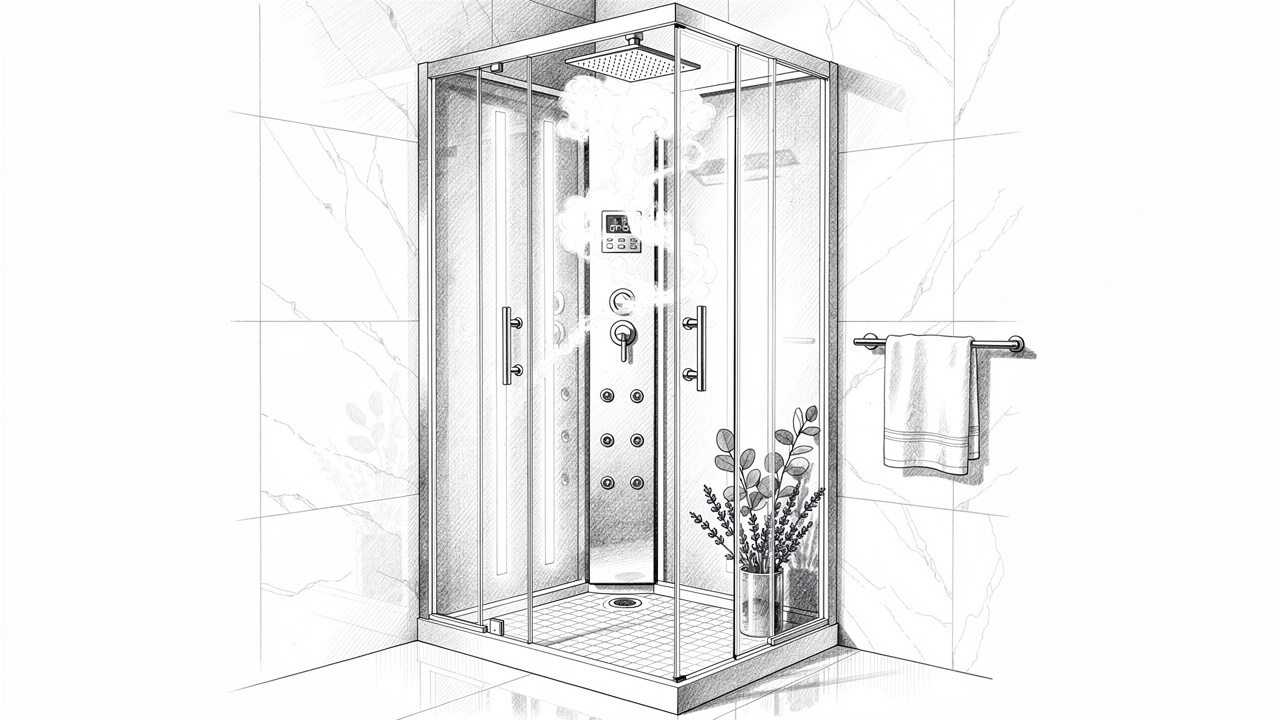
Knowing the science is one thing; finding a system that fits a real Canadian renovation is another. That is where Soak Luxury Bath stands out for homeowners in Edmonton and across Canada who want home steam shower wellness without guesswork.
Soak focuses on complete steam shower units, not pieced‑together parts. The Contemporary Series, Legend Series, and Rain Series cover a wide range of layouts, from compact corner cabins to larger, freestanding designs. Models such as the SR‑89106, SR‑89105, and SR‑89102 suit different bathroom sizes and come in clean black or white finishes with left‑ or right‑hand doors, so they fit both new builds and renovations.
Inside the cabins, built‑in steam generators bring the steam on within minutes, which makes regular use realistic on busy days. Many units add hydro massage tubs, like the BU612 and BU616 in the Legend Series, with multiple body jets and in‑line heaters to keep water warm while steam fills the enclosure. For homeowners who want multi‑sensory steam therapy wellness, Soak integrates features that support the benefits described earlier, such as:
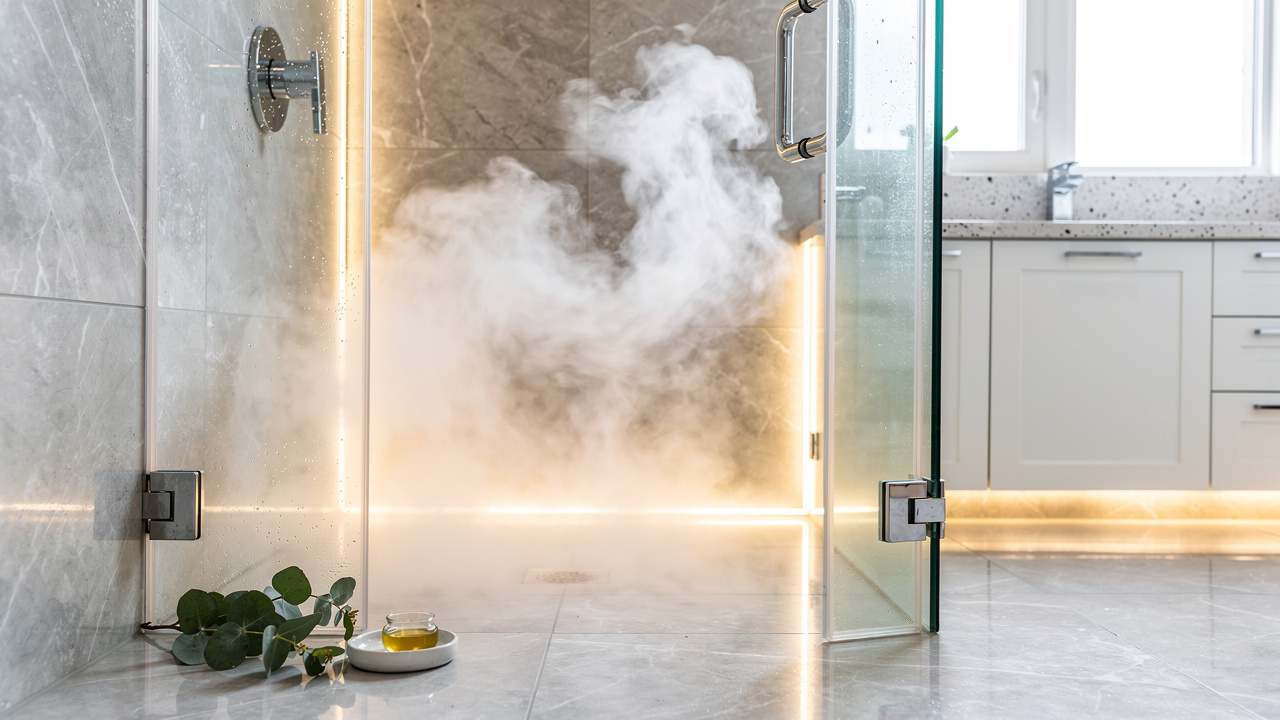
Aromatherapy ports for eucalyptus, lavender, or other spa‑grade oils
Chromatherapy LED lighting with calming blues or energising warm tones
Bluetooth audio and FM radio for playlists, guided breathing, or nature sounds
Several models, including the DZ959F8 and DZ959‑1F8, include aromatherapy ports, so a few drops of eucalyptus or lavender oil can infuse the steam and support breathing or relaxation. Chromatherapy LED lighting appears across models such as the BU612, BU616, and SR‑89106, letting users choose soft blues for winding down or warmer tones for a morning pick‑up. Built‑in audio in many units allows playlists or guided relaxation tracks to accompany each session.
Beyond the hardware, Soak’s Canadian‑based service team is a major reason homeowners choose the brand. The company helps match units to real bathrooms, answers questions during rough‑in, and provides parts and warranty support from within Canada. With models like the BU612 remaining a top seller for close to two decades, Soak offers a proven way to bring steam shower benefits & wellness into the home with long‑term confidence.
Conclusion
For many Canadian homeowners, a steam shower starts as a luxury idea and becomes a practical part of everyday self‑care. The science behind steam shows clear patterns. Warm, humid air supports circulation and heart function, helps muscles recover and joints loosen, soothes the respiratory tract, hydrates and cleanses skin, and eases stress while setting the body up for better sleep.
These effects come from real physiological responses, not clever spa marketing alone. At the same time, a steam shower works best as one part of a wider routine that includes movement, rest, nutrition, and medical care when needed. Choosing to add one is both a home improvement decision and a long‑term investment in comfort and wellness.
For homeowners in Edmonton and across Canada who want these benefits without worrying about overseas parts or confusing installations, Soak Luxury Bath is ready to help. Browsing the Contemporary, Legend, and Rain Series or speaking with Soak’s team can clarify which model fits a specific space and lifestyle. With knowledgeable support before, during, and after installation, it becomes much easier to bring science‑backed steam shower benefits & wellness home.
FAQs
Question 1: How Long Should A Steam Shower Session Be To Get Health Benefits?
Most healthy adults gain clear steam shower benefits from sessions of about 15–20 minutes. Those new to steam should start with 8–10 minutes and add time slowly as they learn how their body responds. Drinking water before and after each session is important to replace fluids lost in sweat. Anyone with heart, lung, or blood pressure issues should check with a physician first.
Question 2: Is A Steam Shower Better Than A Sauna For Skin And Respiratory Health?
For skin hydration and breathing comfort, steam showers usually have the edge. The high humidity keeps skin moist and helps clear nasal passages, while temperatures stay at a gentler 43–46°C. Dry saunas run much hotter and can leave skin feeling tight. In the end, the choice often comes down to personal comfort, health status, and the space available in the home.
Question 3: How Much Water Does A Steam Shower Use Compared To A Regular Shower?
A typical 20‑minute steam session uses roughly 7–8 litres of water in the generator. A standard 10‑minute shower can use 75–95 litres, depending on the showerhead flow rate. That difference makes steam showers far more water‑efficient, which matters to environmentally minded Canadian homeowners and those watching utility costs over the long term.
Question 4: Can A Steam Shower Help With Muscle Recovery After A Workout?
Yes, steam can support recovery when used wisely. The heat widens blood vessels and increases blood flow to tired muscles, which speeds the removal of lactic acid and other waste products. Many people find that a 15–20 minute steam shower after exercise reduces soreness the next day. It should sit alongside stretching, hydration, and rest in a balanced recovery plan, and anyone with medical concerns should get clearance from a health professional.